
Beginner word guessing
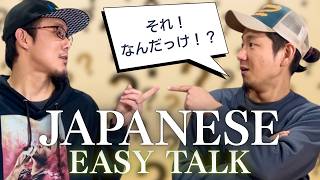
こんにちは、宮崎です。 こんにちは、鳥山です。
konnichiwa, miyazaki desu. konnichiwa, toriyama desu.
Hello, this is Miyazaki. Hello, this is Toriyama.
Transcript
こんにちは、宮崎です。 こんにちは、鳥山です。
konnichiwa, miyazaki desu. konnichiwa, toriyama desu.
Hello, this is Miyazaki. Hello, this is Toriyama.
ここにカードがあります。 はい。
koko ni kaado ga arimasu. hai.
Here are some cards. Yes.
ここにそれぞれ
koko ni sorezore
We've each written an N5 word here
の単語を書いてきましたね。はい。こうやってね、この単語のヒントを出し合いながら相手の単語を当てるゲームです。
no tango o kaite kimashita ne. hai. kou yatte ne, kono tango no hinto o dashiai nagara aite no tango o ateru geemu desu.
. Yes. This is a game where we give each other hints and try to guess the other person's word.
いいですね。 これ楽しくなってきますね。
ii desu ne. kore tanoshiku natte kimasu ne.
That's great. This is getting fun. It's exciting,
ドキドキするでしょう? 最初はグーじゃんけぽい。じゃあ宮崎さんの書いてある単語を当てるよ。お願いします。これは月曜日から日曜日までずっとすることです。日曜日までずっとすること。
dokidoki suru deshou? saisho wa guu ja n kepoi. jaa miyazakisan no kaite aru tango o ateru yo. onegai shimasu. kore wa getsuyou hi kara nichiyou hi made zutto suru koto desu. nichiyou hi made zutto suru koto.
isn't it? First, it's like rock-paper-scissors. Now, I'll guess the word Miyazaki has written. Please. This is something you do every day from Monday to Sunday. Something you do every day until Sunday. It
繰り返しすることですね。 てことは毎日することですか?
kurikaeshi suru koto desu ne. te koto wa mainichi suru koto desu ka?
's something you do repeatedly. Does that mean you do it every day?
はい。 おお。
hai. oo.
Yes. Oh.
それは習慣ですか?
sore wa shuukan desu ka?
Is it a habit?
はい。 ちなみに、もう答え言ってます。答えをもう言いました。
hai. chinami ni, mou kotae ittemasu. kotae o mou iimashita.
Yes. By the way, I've already said the answer. I've already said the answer.
分かりましたか? 事故ですね。事故。
wakarimashita ka? jiko desu ne. jiko.
Did you get it? It's an accident. An accident.
事故が起こりましたけど、まあいいでしょう。
jiko ga okorimashita kedo, maa ii deshou.
An accident happened, but it's okay.
いや、最初「歯磨き」かなと思ったんです。
iya, saisho " hamigaki " ka na to omotta n desu.
No, at first I thought it might be "brushing your teeth."
歯磨き。 はい。歯磨きも繰り返しすることですね。
hamigaki. hai. hamigaki mo kurikaeshi suru koto desu ne.
Brushing your teeth. Yes. Brushing your teeth is also something you do repeatedly.
ああ、なるほど。 うん。
aa, naruhodo. un.
Oh, I see. Yeah.
習慣。 習慣ではないですよ。
shuukan. shuukan de wa nai desu yo.
It's a habit. It's not a habit.
え、習慣は違います。
e, shuukan wa chigaimasu.
Wait, it's not a habit.
え、答えを言った? もう言いました。
e, kotae o itta? mou iimashita.
Wait, did I say the answer? I already said it.
毎日することですよね。今言ってますよ。毎日
mainichi suru koto desu yo ne. ima ittemasu yo. mainichi
It's something you do every day. I'm saying it now.
正解。
seikai.
The correct answer is "everyday. "
everyday。「毎日」が正解です。
everyday. " mainichi " ga seikai desu.
Everyday. "Everyday" is the correct answer.
ああ、正解は「毎日」。そう。 ああ。[笑い]
aa, seikai wa " mainichi ". sou. aa. [ warai ]
Ah, the correct answer is "everyday." Right. Yeah. [Laughter]
いや、それは自然と出ます。
iya, sore wa shizen to demasu.
No, it comes out naturally.
そうです。 言葉が。
sou desu. kotoba ga.
That's right. Words.
そうですね。 このように自然に出るくらい勉強できるといいですね。
sou desu ne. kono you ni shizen ni deru kurai benkyou dekiru to ii desu ne.
That's right. It would be great if you could study enough to have it come out naturally like that.
うん。 じゃあまあいいでしょう。
un. jaa maa ii deshou.
Yeah. Well, that's fine then.
はい。 うん。これが現実です。
hai. un. kore ga genjitsu desu.
Yes. Yeah. This is reality.
そうですね。 はい。
sou desu ne. hai.
That's right. Yes.
では次は鳥山さんのターン。
de wa tsugi wa toriyamasan no taan.
Now it's Toriyama's turn.
もうちょっと楽しみたかったなね。僕も。
mou chotto tanoshimitakatta na ne. boku mo.
I wish we could have had a little more fun. Me too.
じゃ、私が考えた単語当ててくださいね。
ja, watashi ga kangaeta tango atete kudasai ne.
So, guess the word I came up with.
はい。
hai.
Yes.
これは部屋の名前です。
kore wa heya no namae desu.
This is the name of the room.
部屋の名前。 はい。部屋の名前です。
heya no namae. hai. heya no namae desu.
The name of the room. Yes. The name of the room.
ま、こういう感じの部屋の名前。 はい。ルームですね。
ma, kou iu kanji no heya no namae. hai. ruumu desu ne.
Well, a room name like this. Yes. It's a room.
ルームね。 はい。
ruumu ne. hai.
It's a room. Yes.
うん。まだ分かりません。 まだ分からない。
un. mada wakarimasen. mada wakaranai.
Yeah. I still don't know. I still don't know.
うん。まあ、部屋もいっぱいあるからね。 そっか。
un. maa, heya mo ippai aru kara ne. sokka.
Yeah. Well, there are lots of rooms, after all. I see.
うん。 勉強するところです。
un. benkyou suru tokoro desu.
Yeah. A place to study.
勉強する部屋の名前。 はい。部屋の名前で
benkyou suru heya no namae. hai. heya no namae de
The name of the room to study.
ん。 勉強するところですね。はい。
n. benkyou suru tokoro desu ne. hai.
Yes . The name of the room . A place to study. Yes.
はい。 勉強部屋。
hai. benkyou heya.
Yes. Study room.
ブブー。 え、本当に分かりません。
bubu ー. e, hontou ni wakarimasen.
Brrrr. Huh, I really don't know.
ああ。 勉強部屋を何て言うか?
aa. benkyou heya o nan te yuu ka?
Ah. What do you call a study room?
うん。この部屋はですね、結構広いです。
un. kono heya wa desu ne, kekkou hiroi desu.
Yeah. 。 English: This room is quite spacious.
じゃあ質問していいですか? どうぞ。どうぞ。
jaa shitsumon shite ii desu ka? douzo. douzo.
So can I ask a question? Please. Please.
その部屋は外にある建物ということですか?
sono heya wa soto ni aru tatemono to iu koto desu ka?
So that room is outside the building?
建物の中にある部屋です
tatemono no naka ni aru heya desu
It's a room inside the building
その部屋の中には本がたくさんありますか?
sono heya no naka ni wa hon ga takusan arimasu ka?
. Are there many books in the room?
ああ、本もあります。
aa, hon mo arimasu.
Yes, there are books.
も、もうたくさんはないね。
mo, mou takusan wa nai ne.
But, there aren't many.
あ、じゃあ図書室ではない。
a, jaa toshoshitsu de wa nai.
Oh, so it's not the library.
図書室ではない。あら、N5ですか?N5です。で、この部屋はね
toshoshitsu de wa nai. ara, N5 desu ka? N5 desu. de, kono heya wa ne
It's not the library. Oh, is it N5? It's N5. So,
、その建物にいっぱいありますよ。ああ、分かったかも。質問。はい。はい。はい。
, sono tatemono ni ippai arimasu yo. aa, wakatta ka mo. shitsumon. hai. hai. hai.
there are many of these rooms in the building. Ah, I think I get it. Question. Yes. Yes. Yes.
学生が行くところですか?おお。 ま、ほとんどはそうですね。
gakusei ga iku tokoro desu ka? oo. ma, hotondo wa sou desu ne.
Is it a place where students go? Oh. Well, most of them are.
学生が使うところですね。 はあ。はあ。は。
gakusei ga tsukau tokoro desu ne. haa. haa. ha.
It's a place where students use. Ha. Ha. Ha.
使うというか、行くというか。
tsukau to iu ka, iku to iu ka.
Not to use, but to go.
勉強をするというか。 ああ、なるほど。じゃあその部屋には机とか黒板とかがありますか?
benkyou o suru to iu ka. aa, naruhodo. jaa sono heya ni wa tsukue to ka kokuban to ka ga arimasu ka?
To study. Ah, I see. So, are there desks and a blackboard in that room?
はい。 机とか黒板とか椅子とか
hai. tsukue to ka kokuban to ka isu to ka
Yes. Desks, blackboard, chairs
あ、で、もう1つじゃあヒントいきますよ。
a, de, mou 1 tsu jaa hinto ikimasu yo.
, etc. Ah, and here's another hint.
はい。 学校の中にあります。
hai. gakkou no naka ni arimasu.
Yes. It's inside the school.
学校の中にある部屋の名前ですね。
gakkou no naka ni aru heya no namae desu ne.
It's the name of a room inside the school.
はい。分かりましたか?
hai. wakarimashita ka?
Yes. Did you get it?
ヒントの出し方が上手ですね。ほ。
hinto no dashikata ga jouzu desu ne. ho.
You're good at giving hints. Huh.
はい。 はい。
hai. hai.
Yes. Yes.
教室。
kyoushitsu.
A classroom.
正解。長い。ああ、いいですね。
seikai. nagai. aa, ii desu ne.
Correct. It's long. Oh, that's good.
教室ですね。 教室は学校にあってで、学校の中にいっぱいありますよね。
kyoushitsu desu ne. kyoushitsu wa gakkou ni atte de, gakkou no naka ni ippai arimasu yo ne.
It's a classroom. Classrooms are in schools, and there are lots of them inside schools.
そうだね。何部屋かあるね。
sou da ne. nan heya ka aru ne.
That's right. There are several rooms.
何部屋かある。 うん。うん。うん。
nan heya ka aru. un. un. un.
There are several rooms. Yeah. Yeah. Yeah.
そう。教室でした。 はい。
sou. kyoushitsu deshita. hai.
That's right. It was a classroom. Yes.
みんな分かったかな? はい。
minna wakatta ka na? hai.
Did everyone get it? Yes.
ではレベルを上げていきましょう。 はい。はい。はい。
de wa reberu o agete ikimashou. hai. hai. hai.
Now let's move up to the next level. Yes. Yes. Yes.
私が出すN5ワード
watashi ga dasu N5 waado
The N5 word I'm going to give you
これは遠いところに行くための「乗り物」です。
kore wa tooi tokoro ni iku tame no " norimono " desu.
is a "vehicle" for going to faraway places.
ああ、遠いところに行くための乗り物。
aa, tooi tokoro ni iku tame no norimono.
Ah, a vehicle for going to faraway places.
はい。 もう結構なヒントだね。
hai. mou kekkou na hinto da ne.
Yes. That's quite a hint.
うん。 うん。
un. un.
Yeah. Yeah.
でも乗り物もたくさんあるからね。
de mo norimono mo takusan aru kara ne.
But there are lots of vehicles too.
うん。 うん。
un. un.
Yeah. Yeah.
でもさ、遠いところに行く乗り物ってだけで何個か
de mo sa, tooi tokoro ni iku norimono tte dake de nanko ka
But, you know, just how many vehicles go to faraway places
うん。うん。うん。 うん。大体3つぐらいしかないかな。
un. un. un. un. daitai 3 tsu gurai shika nai ka na.
? Yeah. Yeah. Yeah. I think there are only about three.
ほう、ほう、ほう。 じゃあ質問
hou, hou, hou. jaa shitsumon
Oh, oh, oh. So, a question
どうぞ。 その乗り物は長いですか?
douzo. sono norimono wa nagai desu ka?
please. Is that vehicle long?
長いです。 おお。これはね。
nagai desu. oo. kore wa ne.
It's long. Oh. This one is.
うん。 簡単。
un. kantan.
Yeah. Easy.
え、そうですか? 多分ね。
e, sou desu ka? tabun ne.
Oh, really? Probably. It's
長くて早いです。
nagakute hayai desu.
long and fast.
じゃあ長いってことは車ではないね。
jaa nagai tte koto wa kuruma de wa nai ne.
So it's long, so it can't be a car.
車ではないですね。
kuruma de wa nai desu ne.
It's not a car.
だって遠いところに行くんだから車より早い。
da tte tooi tokoro ni iku n da kara kuruma yori hayai.
Because it goes far away, so it's faster than a car.
うん。 それはさ、タイヤがついてますか?
un. sore wa sa, taiya ga tsuitemasu ka?
Yeah. So, does it have tires?
タイヤは小さいのが付いてます。
taiya wa chiisai no ga tsuitemasu.
It has small tires.
つ[笑い]
tsu [ warai ]
Two [laughs]
小さいタイヤが付いてます。
chiisai taiya ga tsuitemasu.
small tires. Do
その小さいタイヤは出たりしまったりしますか?
sono chiisai taiya wa de tari shimattari shimasu ka?
those small tires go in and out?
します。します。 ああ、なるほどね。
shimasu. shimasu. aa, naruhodo ne.
Yes. Yes. Oh, I see.
はい。あんまり使いません。
hai. anmari tsukaimasen.
Yes. I don't use it very often.
最初と最後か。 そう。
saisho to saigo ka. sou.
At the beginning and the end. Right.
うん。 最初と最後にタイヤを使いますが、それ以外は
un. saisho to saigo ni taiya o tsukaimasu ga, sore igai wa
Yeah. I use tires at the beginning and the end, but otherwise,
うん。ふん。ふん。 え、使いません。
un. fun. fun. e, tsukaimasen.
yeah. Hmm. Hmm. Oh, I don't use it. I see
なるほどね。いいね。いい単語かもしれん。
naruhodo ne. ii ne. ii tango ka mo shiren.
. That's good. That might be a good word.
長くて。 うん。
nagakute. un.
It's long. Yeah.
早くて。 じゃあさ、最後に質問しようかな。
hayakute. ja asa, saigo ni shitsumon shiyou ka na.
It's fast. So, let me ask my last question.
はい。 その乗り物は空を飛びますよね。
hai. sono norimono wa sora o tobimasu yo ne.
Yes. That vehicle flies in the sky, right?
空を飛びます。 うん。もうこれね、簡単ですね。空を飛んで長くて早い乗り物とは
sora o tobimasu. un. mou kore ne, kantan desu ne. sora o tonde nagakute hayai norimono to wa
It flies in the sky. Yeah. That's easy.
どうぞ。 飛行機
douzo. hikou ki
What is a long, fast vehicle that flies in the sky? The correct answer is an airplane
正解。 ま、ジャンボジェットね。
seikai. ma, janbo jetto ne.
. Well, a jumbo jet.
ジャンボジェットですね。 飛行機と言います。これは全国どこにでもある乗り物だね。
janbo jetto desu ne. hikou ki to iimasu. kore wa zenkoku doko ni de mo aru norimono da ne.
A jumbo jet. It's called an airplane. This is a vehicle that can be found all over the country.
そうですね。 うん。
sou desu ne. un.
That's right. Yeah.
うん。
un.
Yeah.
僕のレベル2行きますよ。
boku no reberu 2 ikimasu yo.
I'll go to my level 2.
お願いします。 これね、紙です。あ、はい。髪。
onegai shimasu. kore ne, kami desu. a, hai. kami.
Thank you. This is paper. Oh, yes. Hair.
これは紙です。 髪。うん。まあ色々な紙があるよね。
kore wa kami desu. kami. un. maa iroiro na kami ga aru yo ne.
This is paper. Hair. Yeah. Well, there are all kinds of papers.
これ。これじゃないよ。 うん。
kore. kore ja nai yo. un.
This one. Not this one. Yeah.
この単語のやつはね、紙です。
kono tango no yatsu wa ne, kami desu.
This word is paper.
髪もいっぱいあるなあ。質問いいですか?
kami mo ippai aru naa. shitsumon ii desu ka?
There's a lot of hair too. Can I ask a question?
はい。 その髪はトイレで使いますか?
hai. sono kami wa toire de tsukaimasu ka?
Yes. Do you use that hair in the toilet?
いえ、トイレでは絶対使わないです。
ie, toire de wa zettai tsukawanai desu.
No, I never use it in the toilet.
ほう、ほう、ほう。じゃあトイレットペーパーではない。
hou, hou, hou. jaa toiretto peepaa de wa nai.
Oh, oh, oh. So it's not toilet paper.
ない。 うん。うん。うん。
nai. un. un. un.
No. Yeah. Yeah. Yeah.
で、この紙はね、とても小さいんですよ。
de, kono kami wa ne, totemo chiisai n desu yo.
So this paper is really small.
小さい髪。 小さい髪なんです。
chiisai kami. chiisai kami na n desu.
A tiny hair. It's tiny hair.
小さいってこのくらいですか? まあそうですね
chiisai tte kono kurai desu ka? maa sou desu ne
Is it this small? Well,
え。 小さい紙ですよ。
e. chiisai kami desu yo.
I guess so . It's small paper.
このくらいの紙で大人の人はみんな使ったことがありますよ。
kono kurai no kami de otona no hito wa minna tsukatta koto ga arimasu yo.
All adults have used paper this size.
あ、なるほど。ああ、紙か。
a, naruhodo. aa, kami ka.
Oh, I see. Ah, paper.
そう。 ま、この紙は書くではなくて使うとか
sou. ma, kono kami wa kaku de wa nakute tsukau to ka
Right. Well, this paper is not for writing, it's for using
ふん。ふんふん。 春とか言いますね。
fun. fun fun. haru to ka iimasu ne.
. Hmm. They say it means spring.
あ、春。 うん。
a, haru. un.
Ah, spring. Yeah.
あ、そっちですか? いや、僕てっきりおさかなと思いました。
a, sotchi desu ka? iya, boku tekkiri osakana to omoimashita.
Oh, is that it? No, I thought it was definitely a fish.
ああ、おさより小さいですよ。
aa, osayori chiisai desu yo.
Oh, it's smaller than a reed.
お札よりも小さい。 そう。貼る物ですね。
ofuda yori mo chiisai. sou. haru mono desu ne.
Smaller than a banknote. Right. It's something you stick on.
うん。 どうですか?この時点で分かりましたか?
un. dou desu ka? kono jiten de wakarimashita ka?
Yeah. What do you think? Did you get it at this point?
僕は分かりました。 おお。じゃあ、もう1個ヒント。
boku wa wakarimashita. oo. jaa, mou 1 ko hinto.
I got it. Oh. Okay, one more hint.
はい。 これはコンビニで買えます。ちょっと待てよ。コンビニで買える?買えませんよ。
hai. kore wa konbini de kaemasu. chotto mate yo. konbini de kaeru? kaemasen yo.
Yes. You can buy this at a convenience store. Hold on a sec. Can you buy it at a convenience store? No.
コンビニで買えるんです。 え、買えます。
konbini de kaeru n desu. e, kaemasu.
You can buy it at a convenience store. Oh, you can.
買えます。 あれ、
kaemasu. are,
You can. Oh,
あとね、郵便局でも買えます。
ato ne, yuubin kyoku de mo kaemasu.
and you can also buy it at the post office.
なるほど。 あ、違ってた。
naruhodo. a, chigatteta.
I see. Oh, I was wrong.
違ってた。 ええ。なんだと思ってた?
chigatteta. ee. nan da to omotteta?
I was wrong. Yeah. What did you think it was?
シール。シールは使うっていう言うか。
shiiru. shiiru wa tsukau tte iu yuu ka.
Stickers. You use stickers, you know. [Laughs]
まあまあまあまあ。 うん。
maamaa maamaa. un.
Well, well, well, well. Yeah.
郵便局って言われて分かりました。 ああ。
yuubin kyoku tte iwarete wakarimashita. aa.
I get it when you say post office. Ah.
それは封筒に貼ったりしますか?
sore wa fuutou ni hattari shimasu ka?
Do you stick it on envelopes?
はい。 うん。
hai. un.
Yes. Yeah.
封筒とか手紙とか。 うん。なるほど。分かりました。
fuutou to ka tegami to ka. un. naruhodo. wakarimashita.
On envelopes or letters. Yeah. I see. I get it.
だ、手紙とか封筒に貼って郵便局に出す。
da, tegami to ka fuutou ni hatte yuubin kyoku ni dasu.
You stick it on a letter or an envelope and send it off at the post office.
うん。 あ、こういう使い方ですね。
un. a, kou iu tsukaikata desu ne.
Yeah. Ah, so that's how you use it.
なるほどね。ああ、分かりました。
naruhodo ne. aa, wakarimashita.
I see. Ah, I get it.
じゃあ答えをどうぞ。 切って
jaa kotae o douzo. kitte
So here's the answer. Cutting it
正解です。 よし。
seikai desu. yoshi.
was the right answer. Okay.
切ってね。 切手です。
kitte ne. kitte desu.
Cut it. It's a stamp.
うん。 切手っていうのは、あ、物を送る時に使う、ま、お金の代わりですね。そうだね。お金は封筒に貼れないから
un. kitte tte iu no wa, a, mono o okuru toki ni tsukau, ma, okane no kawari desu ne. sou da ne. okane wa fuutou ni harenai kara
Yes. Stamps are, uh, used when sending things, they're a substitute for money. That's right. You can't stick money on envelopes, so yeah
うん。 封筒に貼るお金みたいなものだね。
un. fuutou ni haru okane mitai na mono da ne.
. It's like money that you stick on envelopes.
だね。 うん。
da ne. un.
Right. Yes.
宮崎さんは8ポイントですね。 よっしゃ。8ポイント。
miyazakisan wa 8 pointo desu ne. yossha. 8 pointo.
Miyazaki-san gets 8 points. All right. 8 points.
このポイントね、いいよね。 みんな見てる人が当ててたら
kono pointo ne, ii yo ne. minna miteru hito ga atetetara
These points are good, right? If everyone watching guessed it, they'd get
8ポイント。8ポイント。よし、
8 pointo. 8 pointo. yoshi,
8 points. 8 points. Okay,
ゲットだぜ。
getto da ze.
I got it.
ポイント貯まると海外旅行に行けます。 やった。
pointo tamaru to kaigai ryokou ni ikemasu. yatta.
If you collect 100 points, you can go on a trip abroad. Yay.
では最後のね、3
de wa saigo no ne, 3
Now, the last one, the third
つ目。 はい。
tsu me. hai.
one. Yes.
レベルアップ。 はい。
reberu appu. hai.
Level up. Yes.
これは外を眺める時に使う言葉です。
kore wa soto o nagameru toki ni tsukau kotoba desu.
This is a word used when looking outside.
外を眺める時。ほう、ほう、ほう。
soto o nagameru toki. hou, hou, hou.
When looking outside. Ho, ho, ho.
山とか海とか見る時に使う単語ですね。使う単語ですか?
yama to ka umi to ka miru toki ni tsukau tango desu ne. tsukau tango desu ka?
It's a word used when looking at mountains or the sea. A word used?
はい。 使うものじゃなくて使う単語?
hai. tsukau mono ja nakute tsukau tango?
Yes. Not a thing used, but a word used?
そうですね。 ほうほう。
sou desu ne. houhou.
That's right. Ho, ho.
ものではありません。 じゃあ遠鏡教ではない。
mono de wa arimasen. jaa tookyoukyou de wa nai.
It's not a thing. So it's not Enkyokyo.
望遠鏡ではない。 はい。はい。はい。はい。うん。うん。
bouenkyou de wa nai. hai. hai. hai. hai. un. un.
It's not a telescope. Yes. Yes. Yes. Yes. Yeah. Yeah.
あ、外を見る、眺める時に使う。
a, soto o miru, nagameru toki ni tsukau.
Ah, it's used when looking outside, gazing.
そう、山とか海を眺める時に言いますね、これを。ええ、
sou, yama to ka umi o nagameru toki ni iimasu ne, kore o. ee,
Yes, you say this when looking at mountains or the ocean. Yeah,
山を見てな、何て言いますか?ああ、綺麗。そう、そう、そう。何が綺麗かですね。ああ。
yama o mite na, nan te iimasu ka? aa, kirei. sou, sou, sou. nan ga kirei ka desu ne. aa.
when you look at the mountains, what do you say? Oh, beautiful. Yeah, yeah, yeah. So what's beautiful? Ah.
ああ、なるほどね。海とかさ、
aa, naruhodo ne. umi to ka sa,
Ah, I see. Looking at the ocean or something
見てさ。 ああ、空気がうまいじゃない
mite sa. aa, kuuki ga umai ja nai
. Ah, isn't it like the air is fresh? Isn't
じゃないじゃない。 空気がうまい
ja nai ja nai. kuuki ga umai
it like the air is fresh?
じゃない。[笑い]え、なんかどうしよっかな。
ja nai. [ warai ] e, nan ka dou shiyokka na.
[Laughter] Um, what should I do?
うん。 ちなみに漢字は
un. chinami ni kanji wa
Yeah. By the way,
2つです。 あ、漢字ですか?
2 tsu desu. a, kanji desu ka?
there are two kanji
漢字2文字ですね。 N4ワード。
kanji 2 moji desu ne. N4 waado.
. Oh, kanji? Two kanji. N4 word.
N4です。 え、なんかヒントください。
N4 desu. e, nan ka hinto kudasai.
I'm N4. Um, give me a hint. I
ヒントもうないです。 ヒントない。
hinto mou nai desu. hinto nai.
don't have any more hints. I don't have any hints. I won't
もうそれ以外で使わないからね。じゃ、例えば
mou sore igai de tsukawanai kara ne. ja, tatoeba
use it for anything else. So, for example, let's
旅行に行きました。 うん。はい。
ryokou ni ikimashita. un. hai.
say you went on a trip. Yeah. Yes.
高い山にある宿屋に泊まって山から町を見下ろした時に見える眺めのことですね。
takai yama ni aru yadoya ni tomatte yama kara machi o mioroshita toki ni mieru nagame no koto desu ne.
It's the view you get when you stay at an inn high in the mountains and look down on the town from the mountain.
うーん。 じゃ、それは例えば動物を見た時
uun. ja, sore wa tatoeba doubutsu o mita toki
Hmm. So, for example, when you see animals
うん。 には使わない。
un. ni wa tsukawanai.
. Yeah. You don't use it.
使わない。 車とかも使わない。
tsukawanai. kuruma to ka mo tsukawanai.
You don't use it for cars or things like that.
使わない。山とか海
tsukawanai. yama to ka umi
You don't use it. Mountains or the ocean
うん。 などを見た時に使いますね。
un. nado o mita toki ni tsukaimasu ne.
. It's used when you see things like this.
で、それは外だけですか? 基本的には外ですね。
de, sore wa soto dake desu ka? kihonteki ni wa soto desu ne.
So, is that only outside? Basically, it's outside.
うん。 ま、ちょっとこれはなんとなく分かったんだけど、
un. ma, chotto kore wa nan to naku wakatta n da kedo,
Yeah. Well, I kind of got this, but,
あ、こう見てる人が
a, kou miteru hito ga
ah,
うん。 たどりついてる人が少なそうですね。
un. tadoritsuiteru hito ga sukuna sou desu ne.
it seems like not many people who look at it like this will get it.
うん。ちょっともう1つヒントを思い出しました。
un. chotto mou 1 tsu hinto o omoidashimashita.
Yeah. I just remembered one more hint.
はい。 ゴルフやりますよね。
hai. gorufu yarimasu yo ne.
Yes. You play golf, right?
ゴルフやりますよ。 ゴルフをやる時に眺めがいいですよね。
gorufu yarimasu yo. gorufu o yaru toki ni nagame ga ii desu yo ne.
I play golf. When you play golf, the view is nice, right?
あ、長めがいいですね。 その時にああて言います。その時に。
a, nagame ga ii desu ne. sono toki ni aa te iimasu. sono toki ni.
Ah, a long one would be nice. That's when you say, yeah. At that time. Yeah
うん。分かった。分かった。 うん。うわあ、これいいなあ。
un. wakatta. wakatta. un. uwaa, kore ii naa.
. I got it. I got it. Yeah. Wow, this is nice. Yeah.
うん。 いいなあって時に使う言葉ですね。分かりましたか?
un. ii naa tte toki ni tsukau kotoba desu ne. wakarimashita ka?
It's a word you use when you think something is nice. Do you get it?
はい。はい。はい。はい。それさ、うん。
hai. hai. hai. hai. soresa, un.
Yes. Yes. Yes. Yes. That's it. Yeah.
夜には使わないね。
yoru ni wa tsukawanai ne.
You don't use it at night. Well
ま、あんまり使わない。使ってもいいけどあんまり使わないかな。
ma, anmari tsukawanai. tsukatte mo ii kedo anmari tsukawanai ka na.
, I don't use it very often. It's okay to use it, but I don't think you use it that often.
夜は夜の言い方がありますね。 うん。うん。
yoru wa yoru no iikata ga arimasu ne. un. un.
There's a way to say "night" for "night." Yeah. Yeah.
夜はあ、長めがいいなあとかそんな感じかな。
yoru wa a, nagame ga ii naa to ka sonna kanji ka na.
At night, it's something like, ah, a long one would be nice.
ま、言ってしまえば夜景って言いますね。 はい。はい。はい。
ma, itte shimaeba yakei tte iimasu ne. hai. hai. hai.
Well, in short, you would say "night view." Yes. Yes. Yes.
夜に使う言葉は夜景って言います。
yoru ni tsukau kotoba wa yakei tte iimasu.
The word used at night is "night view."
はい。 じゃあ答え言います。
hai. jaa kotae iimasu.
Yes. Well, I'll tell you the answer.
どうぞ。 景色
douzo. keshiki
Here you go. Scenery
正解。 そう。これ景色、
seikai. sou. kore keshiki,
is correct. Yes. This is scenery,
景色と言って、ま、綺麗な眺めのことを景色って言うんですが
keshiki to itte, ma, kirei na nagame no koto o keshiki tte iu n desu ga
we say scenery, and a beautiful view is called scenery,
うん。 で、さっき言った夜の眺めのことを
un. de, sakki itta yoru no nagame no koto o
yes. So, the night view I mentioned earlier is called
夜景、夜景、夜景っていうのは夜の景色
yakei, yakei, yakei tte iu no wa yoru no keshiki
a night view, and night view, night view, is a night view
うん。うん。そう、そうのことだね。
un. un. sou, sou no koto da ne.
, yes. Yes. Yes, that's right.
夜の景色と書いて夜景。
yoru no keshiki to kaite yakei.
It's written as night view, so it's night view.
うん。 使い方としてはわ、鳥山さん、ここ景色良くない?
un. tsukaikata to shite wa wa, toriyamasan, koko keshiki yoku nai?
Yes. The way to use it is, Toriyama-san, isn't the view here nice?
いいね。 景色いいわ。
ii ne. keshiki ii wa.
It's nice. The view is nice.
です。はい。 これはどんぐらい分かったかな?
desu. hai. kore wa don gurai wakatta ka na?
Yes. How much do you understand this?
ちょっと難しそう。 夜景の時はどうやって使いますか?
chotto muzukashi sou. yakei no toki wa dou yatte tsukaimasu ka?
It seems a little difficult. How do you use it for night views?
夜景の時はあ、夜景いいね、ここって。
yakei no toki wa a, yakei ii ne, koko tte.
For night views, you say, oh, the night view is nice, here.
あ、一緒か。 使い方は一緒です。
a, issho ka. tsukaikata wa issho desu.
Oh, it's the same. The way to use it is the same.
はい。 はい。はい。
hai. hai. hai.
Yes. Yes. Yes.
じゃあ僕最後。 はい。どうぞ。ポイントは
jaa boku saigo. hai. douzo. pointo wa
So I'm last. Yes. Here you go. Your points
0です。0か。欲しかったな、これはですね。
0 desu. 0 ka. hoshikatta na, kore wa desu ne.
are 0. 0? I wanted this, you know.
本ブックですか?
honbukku desu ka?
Is it a book?
本です。 ブック。
hon desu. bukku.
It's a book. Book. Book
ブック。 本か。ま、本も色々あるよね。
bukku. hon ka. ma, hon mo iroiro aru yo ne.
. A book. Well, there are all kinds of books, right?
そうなんですよ。 うん。色々な本があるから
sou na n desu yo. un. iroiro na hon ga aru kara
That's right. Yes. There are all kinds of books, so
何の本でしょうか? え、難しいですね。はい。
nan no hon deshou ka? e, muzukashii desu ne. hai.
what kind of book is it? Eh, that's difficult. Yes.
はい。絵本。ああ、惜しくない?惜しくない。
hai. ehon. aa, oshiku nai? oshiku nai.
Yes. Picture book. Ah, not a shame? Not a shame.
ブブ。 あ、絵本ではない。
bubu. a, ehon de wa nai.
Bubu. Oh, it's not a picture book.
絵本ではない。どうすんの?絵本だったらだって
ehon de wa nai. dou sun no? ehon dattara da tte
It's not a picture book. What are you going to do? Well, if it's a
それはそれでいいかなって。[笑い]絵本。絵本っていうのは、
sore wa sore de ii ka na tte 。[ warai ] ehon. ehon tte iu no wa,
picture book , that's fine too. [Laughter] Picture book. A picture book is,
え、子供の本。 うん。
e, kodomo no hon. un.
uh, a children's book. Yeah.
子供が読む本ですね。 絵が書いてある本は、ま、大体絵本だね。
kodomo ga yomu hon desu ne. e ga kaite aru hon wa, ma, daitai ehon da ne.
A book that children read. Books with pictures are, well, mostly picture books.
絵本。うん。うん。 じゃあヒントを出していきますよ。
ehon. un. un. jaa hinto o dashite ikimasu yo.
Picture book. Yeah. Yeah. So I'll give you a hint.
お願いします。 この方は、ま、勉強する時に使ったりしますね。
onegai shimasu. kono kata wa, ma, benkyou suru toki ni tsukattari shimasu ne.
Thank you. This person, well, they use it when studying.
ああ、もう分かっちゃった。 へえ、分かったんだ。
aa, mou wakatchatta. hee, wakatta n da.
Ah, I get it now. Wow, you get it
うん。簡単だわ。なんかさっきから勉強のことばっかですね。
un. kantan da wa. nan ka sakki kara benkyou no koto bakka desu ne.
. Yeah. That's easy. It's been all about studying for a while now.
勉強のYouTube。 あ、そうでしたっけ?
benkyou no YouTube. a, sou deshita kke?
YouTube for studying. Oh, is that so?
でも多分ね、分かってないと思う。 え、多分あれだと思うけど。
de mo tabun ne, wakattenai to omou. e, tabun are da to omou kedo.
But I don't think you understand. Eh, I think it's probably like that.
じゃあ言っていいですか? 質問、質問してください。
jaa itte ii desu ka? shitsumon, shitsumon shite kudasai.
So can I say something? Questions, please ask questions.
あ、え、じゃあ学校で使いますよね。
a, e, jaa gakkou de tsukaimasu yo ne.
Ah, uh, so it's used at school, right
はい。 ほら、もうこれじゃん。学校で使えますよ。そりは
hai. hora, mou kore jan. gakkou de tsukaemasu yo. sori wa
? Yes. See, there it is. It can be used at school. By the way
ですが、学校の誰が使えますか?
desu ga, gakkou no dare ga tsukaemasu ka?
, who at school can use it?
学校で勉強する人が使います。 ああ、
gakkou de benkyou suru hito ga tsukaimasu. aa,
People who study at school use it. Ah,
学生。 学生が全員。
gakusei. gakusei ga zen'in.
students. All the students.
ま、全員。 ああ、学生はね、全員使わないですね。使う人もいますね。
ma, zen'in. aa, gakusei wa ne, zen'in tsukawanai desu ne. tsukau hito mo imasu ne.
Well, all of them. Ah, not all the students use it. Some do.
あら、ひねってきたね。
ara, hinette kita ne.
Oh, that's a twist.
使う人もいます。 ってことは教科書ではないってことですね。
tsukau hito mo imasu. tte koto wa kyoukasho de wa nai tte koto desu ne.
Some do. So that means it's not a textbook. It's
教科書ではないだよね。
kyoukasho de wa nai da yo ne.
not a textbook, right?
教科書だと思ったんでしょ。うん。だと思った。 うん。逆に。
kyoukasho da to omotta n desho. un. da to omotta. un. gyaku ni.
You thought it was a textbook, right? Yeah. I thought so. Yeah. On the contrary.
うん。 じゃ、ヒント出しますよ。
un. ja, hinto dashimasu yo.
Yeah. Well, I'll give you a hint.
はい。 今の時代ではこの本スマートフォンに入ってます。
hai. ima no jidai de wa kono hon sumaato fon ni haittemasu.
Yes. In this day and age, this book is on your smartphone.
はい。 スマートフォンの中にこの本入ってます。本はスマートフォンの中に入りませんよ。鳥山さん、
hai. sumaato fon no naka ni kono hon haittemasu. hon wa sumaato fon no naka ni hairimasen yo. toriyamasan,
Yes. This book is on your smartphone. Books don't belong on your smartphone. Toriyama-san,
入ってるんですよ。 は、この本の機能が今のスマホには入ってます。
haitteru n desu yo. wa, kono hon no kinou ga ima no sumaho ni wa haittemasu.
it does. The functions of this book are built into today's smartphones.
ほう、ほう、ほう。 もしかしてその答えはカタカナですか?
hou, hou, hou. moshi ka shite sono kotae wa katakana desu ka?
Oh, oh, oh. Is the answer by any chance katakana?
カナではありません。 お、漢字ですか?
kana de wa arimasen. o, kanji desu ka?
Not kana. Oh, is it kanji?
漢字ですね。 うん。ふんふん。
kanji desu ne. un. fun fun.
It's kanji. Yeah. Hmm.
うん。 あの、オーディオブックとか
un. ano, oodio bukku to ka
Yeah. Um, audiobooks and
うん。 そっちかなと思って。
un. sotchi ka na to omotte.
stuff. I thought it might be that.
ああ、違いますね。 違いますね。
aa, chigaimasu ne. chigaimasu ne.
Ah, no. No.
じゃ、もう1個ヒント。 もう分かってる?
ja, mou 1 ko hinto. mou wakatteru?
So, one more hint. Do you get it yet?
いや、分かってない。 分かってないんだ。
iya, wakattenai. wakattenai n da.
No, you don't. You don't get it.
うん。 じゃあ分かってないね。
un. jaa wakattenai ne.
Yeah. So you don't get it.
うん。分かってないと思うよ。この本を使うと言葉の意味が分かります。あ、
un. wakattenai to omou yo. kono hon o tsukau to kotoba no imi ga wakarimasu. a,
Yeah. I don't think you get it. If you use this book, you can understand the meaning of words. Oh,
なるほど。大ヒントですね。 そう。この言葉。あ、なんだっけ?この言葉の意味。
naruhodo. daihinto desu ne. sou. kono kotoba. a, nan da kke? kono kotoba no imi.
I see. That's a big hint. Yes. This word. Oh, what was it? The meaning of this word.
うん。うん。うん。 ていうのを調べられます。
un. un. un. te iu no o shiraberaremasu.
Yeah. Yeah. Yeah. You can look up things like that.
なるほど。これ確かにiPhoneとか
naruhodo. kore tashika ni iPhone to ka
I see. This is definitely
スマートフォンに入ってますね。 入ってるんですよ、今全部。そして学生全員は使わない。使う人はいるけど。
sumaato fon ni haittemasu ne. haitteru n desu yo, ima zenbu. soshite gakusei zen'in wa tsukawanai. tsukau hito wa iru kedo.
on iPhones and smartphones, isn't it? It's on all of them now. And not all students use it. Some do, though.
そう。学校にはあるよ。 鳥山さんは使わない。
sou. gakkou ni wa aru yo. toriyamasan wa tsukawanai.
Yes. It's available at school. Toriyama-san doesn't use it.
使わない。[笑い]難しい。
tsukawanai. [ warai ] muzukashii.
He doesn't use it. [Laughter] It's difficult.
うん。Gちっちゃいしね。 そう。いっぱい書いてある。
un. G chitchai shi ne. sou. ippai kaite aru.
Yeah. The G is small, too. Right. There's a lot written there.
うん。 もうそれで分かっちゃいました。あ
un. mou sore de wakatchaimashita. a
Yeah. Now I get it.
あ。どうでしょうか? うん。分かるかな?でね、その方がね。
a. dou deshou ka? un. wakaru ka na? de ne, sono hou ga ne.
Ah . What do you think? Yeah. Do you get it? Well, that's better.
うん。 分厚い。
un. buachii.
Yeah.
分厚い。 うん。最初にこれ言えば分かった。
buachii. un. saisho ni kore ieba wakatta.
It's thick. Yeah. If you'd said that at the beginning, I'd understand.
熱いじゃなくて分厚い。 分厚い。暑いってこんぐらいでしょ?
atsui ja nakute buachii. buachii. atsui tte kon gurai desho?
Not hot, but thick. Thick. Hot is about this much, right?
熱い。こんぐらい。 分厚いはこんぐらい。
atsui. kon gurai. buatsui hakon gurai.
Hot. About this much. Thick is about this much.
こんぐらい。[笑い]確かに分かりました。
kon gurai 。[ warai ] tashika ni wakarimashita.
About this much. [Laughter] I definitely get it.
でねえ、まだ言っちゃだめ。
de nee, mada itcha dame.
But, you know, I can't say it yet.
うん。もう1個だけ言わせて。その本を開くでしょ。
un. mou 1 ko dake iwasete. sono hon o hiraku desho.
Yeah. Let me say just one more thing. You open the book, right?
うん。 何々を引くって言いますね。
un. naninani o hiku tte iimasu ne.
Yeah. It's called drawing something.
おお。 めくるとかでもいいんだけど、
oo. mekuru to ka de mo ii n da kedo,
Oh. You could just flip it over, but
読むって言いませんよね。 そう。これはね、読むじゃなくて引く。
yomu tte iimasen yo ne. sou. kore wa ne, yomu ja nakute hiku.
You don't say "read," do you? That's right. You don't read, you look up.
なぜかね。 ま、なんでだろうね。
naze ka ne. ma, nan de darou ne.
I wonder why. Well, I wonder why.
先にじゃあ答え言っていいですか? どうぞ。
saki ni jaa kotae itte ii desu ka? douzo.
Can I give you the answer first? Here you go.
辞書正解。
jisho seikai.
Dictionary is correct.
確かに辞を引くっていうね。 はい。
tashika ni ji o hiku tte iu ne. hai.
You definitely look up the dictionary. Yes.
辞書は読まないんですよ。 うん。
jisho wa yomanai n desu yo. un.
I don't read dictionaries. Yeah.
引くんですよねえ。
hiku n desu yo nee.
I do look them up, don't I?
はい。 これ新しい発見だと思います。皆さん。
hai. kore atarashii hakken da to omoimasu. minasan.
Yes. I think this is a new discovery. Everyone.
例えばさっきの景色っていう言葉が分からない。そしたらじゃあ景色という単語を辞書で引いてみよう。
tatoeba sakki no keshiki tte iu kotoba ga wakaranai. so shitara jaa keshiki to iu tango o jisho de hiite miyou.
For example, say you don't understand the word "scenery" from earlier. So then you try looking up the word "scenery" in the dictionary.
そうっよね。 うん。引いてごらんって。
sou っ yo ne. un. hiite goran tte.
That's right. Yeah. You say, "Try looking it up."
あ、じゃ引いてみるね。 あ、景色ね。はい。はい。つって。
a, ja hiite miru ne. a, keshiki ne. hai. hai. tsutte.
Oh, I'll try. Ah, scenery. Yes. Yes. That's what I said. That's
確かに。なんで辞書って引くって言うんだろうね。
tashika ni. nan de jisho tte hiku tte iu n darou ne.
true. I wonder why we say we look up the dictionary.
ねえ。不思議。 面白。
nee. fushigi. omoshiro.
Right. It's strange. Interesting.
面白い。これは日本人でも分からない言葉です。
omoshiroi. kore wa nihonnin de mo wakaranai kotoba desu.
Interesting. This is a word that even Japanese people don't understand.
でも辞書は読むって言わないね。
de mo jisho wa yomu tte iwanai ne.
But you don't say "read" a dictionary.
言わない。絶対言わない。 絶対言わないね。
iwanai. zettai iwanai. zettai iwanai ne.
You don't say that. You never say that. You never say that.
うん。 何の何本読んでんの?
un. nan no nanpon yon den no?
Yeah. How many books of what are you reading?
え? あ、辞。
e? a, ji.
Huh? Oh, dictionary.
うん。読んでないよ。辞は
un. yondenai yo. ji wa
Yeah. I haven't read any of them. Dictionary
なるね。 なるよね。
naru ne. naru yo ne.
becomes [laughs]. You do.
うん。 事引いてんだよって言うよね。
un. koto hiite n da yo tte yuu yo ne.
Yeah. They say you look up the facts.
そう。引いてんだよとは言わないけど。 うん。なんだろうね。言葉を引くっていう
sou. hiite n da yo to wa iwanai kedo. un. nan darou ne. kotoba o hiku tte iu
Right. I'm not saying I'm looking it up though. Yeah. I wonder.
ああ意味なのかな。その大量の単語の中から
a a imi na no ka na. sono tairyou no tango no naka kara
I guess it means looking up a word. I guess
1個を引くっていう感じかな。 うん。そうだね。
1 ko o hiku tte iu kanji ka na. un. sou da ne.
it's like looking up one word from a huge amount of words. Yeah. That's right.
うん。 はい。そう。
un. hai. sou.
Yeah. Yes. That's right.
ちゃんと書いてありますからね。 ちゃんとね、こう書いてましたから。はい。
chanto kaite arimasu kara ne. chanto ne, kou kaitemashita kara. hai.
It's written properly. It was written properly, like this. Yes.
N5、N4ゲスザワードでした。 はい。
N5, N4 gesu za waado deshita. hai.
N5, N4 Guess the Word. Yes.
はい。楽しんでいただけましたでしょうか? そう、分からない単語があったりね。したら自分で辞を引いてくださいね。
hai. tanoshinde itadakemashita deshou ka? sou, wakaranai tango ga attari ne. shitara jibun de ji o hiite kudasai ne.
Yes. Did you enjoy it? Yes, there were words you didn't understand. If so, please look it up yourself. If you still
辞書を引いても分からない時はコメントしましょう。
jisho o hiite mo wakaranai toki wa komento shimashou.
can't figure it out even after looking it up in the dictionary, leave a comment.
はい。僕らが教えます。うん。 うん。
hai. bokura ga oshiemasu. un. un.
Yes. We'll teach you. Yeah. Yeah.
ということで、リクエストなどありましたら是非コメントください。
to iu koto de, rikuesuto nado arimashitara zehi komento kudasai.
So, if you have any requests, please comment.
はい。 いいね登録よろしくね。
hai. ii ne touroku yoroshiku ne.
Yes. Please like and subscribe.
恥ずかしい。 恥ずかしい。俺これ言いたくないんだよ。
hazukashii. hazukashii. ore kore iitaku nai n da yo.
It's embarrassing. It's embarrassing. I don't want to say this.
うん。 けど言っとかないとね。
un. kedo ittokanai to ne.
Yeah. But I have to say it.
そうですね。 はい。
sou desu ne. hai.
That's right. Yes.
では次の動画でお会いしましょう。
de wa tsugi no douga de oai shimashou.
See you in the next video.
Video and Japanese captions: Japanese super immersion on YouTube. English: the channel's own captions.
Words at N5 and above
- はいyesN5
- 言うto sayN5
- 使うto useN5
- そうreally, soN5
- 分かるto be understoodN5
- あるto be,to have (used for inanimate objects)N5
- 無いto not beN5
- これThisN5
- するto doN5
- ああah, oh; like that, that wayN5
- このThis, thisN5
- ことthing,matterN5
- もうalreadyN5
- 部屋roomN5
- 時(1) time,hour,(2) occasion,momentN5
- 何whatN5
- 本bookN5
- 間space,room,time,pauseN5
- そのThat, the, thatN5
- 引くto pullN5
- それthatN5
- 小さいlittleN5
- 思うto think,to feelN5
- 言葉word, languageN5
- 学校SchoolN5
- 紙paperN5
- 書くto writeN5
- 所placeN5
- どうぞpleaseN5
- 中middleN5
- 行くto goN5
- 人personN5
- 夜evening,nightN5
- じゃ/じゃあwell then…N5
- 名前nameN5
- 質問QuestionN5
- 長いlongN5
- 読むto readN5
- 入るto enter, to go in; to containN5
- やるto doN5
- 僕I (used by males)N5
- 外OutsideN5
- 学生StudentN5
- 山mountainN5
- 辞書DictionaryN5
- こうthis wayN5
- 毎日every dayN5
- まあwell, I suppose; oh myN5


