How office workers use polite Japanese

はい、みなさん、こんにちは!
hai, minasan, konnichiwa!
Hi, everyone!
Transcript
はい、みなさん、こんにちは!
hai, minasan, konnichiwa!
Hi, everyone!
お元気でしょうか?
ogenki deshou ka?
How are you doing?
はいー(*^^*)
hai ー (*^^*)
Okay! (*^^*)
このポッドキャストは、日本語学習者、中級者・上級者向けのポッドキャストです。
kono poddo kyasuto wa, nihon go gakushuusha, chuukyuusha joukyuushamuke no poddo kyasuto desu.
This podcast is for intermediate and advanced learners of Japanese.
自然な速さ、自然な話し方で話します。
shizen na hayasa, shizen na hanashikata de hanashimasu.
I speak at a natural speed and in a natural way.
トランスクリプトを無料で公開しておりますので、こちら、私のウェブサイトをご覧ください。
toran sukuriputo o muryou de koukai shite orimasu no de, kochira, watashi no webusaito o goran kudasai.
Transcripts are available for free, so please visit my website.
そして、YouTubeメンバーシップに入りますと、
soshite, YouTube menbaashippu ni hairimasu to,
And if you join my YouTube membership,
このエピソードで出てきた、難しい言葉を勉強できたり、
kono episoodo de dete kita, muzukashii kotoba o benkyou deki tari,
you can study the difficult words that appear in this episode
日本の最新ニュースについて説明しているYouTubeライブを見られたりしますので、
nihon no saishin nyuusu ni tsuite setsumei shite iru YouTube raibu o mirare tari shimasu no de,
and watch YouTube livestreams where I explain the latest news from Japan.
メンバー限定になりますので、
menbaa gentei ni narimasu no de,
These are available exclusively to members,
ぜひこちらもチェックしてみてください。
zehi kochira mo chekku shite mite kudasai.
so please check that out too.
まずね、前回のエピソードで、
mazu ne, zenkai no episoodo de,
First, in the previous episode,
私の体の悩みについて話したと思うんですけど、
watashi no karada no nayami ni tsuite hanashita to omou n desu kedo,
I think I talked about the health issues I’ve been having,
想像以上に反響がありまして、
souzou ijou ni hankyou ga arimashite,
and the response was much bigger than I expected.
YouTubeチャンネルにもコメントをいっぱいくれたりとか、
YouTube channeru ni mo komento o ippai kure tari to ka,
A lot of you left comments on my YouTube channel,
直接メッセージをくれたりとか、Spotifyとかのポッドキャストのチャンネルにもいっぱいコメントが来たりとかして、
chokusetsu messeeji o kure tari to ka, Spotify to ka no poddo kyasuto no channeru ni mo ippai komento ga ki tari to ka shite,
sent me direct messages, and left tons of comments on my Spotify and other podcast channels,
みんな、優しすぎない?っていう感じですね。
minna, yasashi suginai? tte iu kanji desu ne.
and it made me think, “Aren’t you all just too kind?”
本当にありがとう。
hontou ni arigatou.
Thank you so much.
みんな優しい。心配してくれてありがとう。
minna yasashii. shinpai shite kurete arigatou.
You’re all so kind. Thank you for worrying about me.
でも、元気です。私は。
de mo, genki desu. watashi wa.
But I’m doing fine. I am.
あの、やっぱね、コメントの中では、
ano, yappa ne, komento no naka de wa,
You know, in the comments,
「すごく共感します」という言葉が多くて。
" sugoku kyoukan shimasu " to iu kotoba ga ookute.
a lot of people said, “I really relate to this.”
「私も子どもの頃から思うように体が動かなくて」とか、
" watashi mo kodomo no koro kara omou you ni karada ga ugokanakute " to ka,
Some said, “Ever since I was a child, I haven’t been able to move my body the way I want,”
「ここ最近、体の調子がすごく悪くて」とか、
" koko saikin, karada no choushi ga sugoku warukute " to ka,
or, “I’ve been feeling really unwell lately,”
「腰痛に悩まされてつらいです」とか、
" youtsuu ni nayamasarete tsurai desu " to ka,
or, “I’m suffering from back pain, and it’s really hard,”
「不眠症なんです」とか、
" fuminshou na n desu " to ka,
or, “I have insomnia.”
いろんな、なんかこう、「分かる」みたいなコメントも多くて、うれしかったし。
ironna, nan ka kou, " wakaru " mitai na komento mo ookute, ureshikatta shi.
There were lots of different comments that were basically like, “I get it,” and that made me happy.
うれしかったって言うと、
ureshikatta tte yuu to,
Though when I say it made me happy,
なんかあれなんだけど、なんて言うの?
nan ka are na n da kedo, nante iu no?
that sounds a bit... How should I put it?
あの、なんて言うの?
ano, nante iu no?
Um, how should I say this?
私が話したことによって、みんな分かるっていう。
watashi ga hanashita koto ni yotte, minna wakaru tte iu.
Because I talked about it, everyone could say, “I understand.”
ちょっと分かり合えたみたいな、
chotto wakariaeta mitai na,
It felt like we understood each other a little,
つながったみたいなことがうれしかったってね。
tsunagatta mitai na koto ga ureshikatta tte ne.
like we connected, and that’s what made me happy.
みんなの体調が悪いことがうれしいわけじゃないからね。
minna no taichou ga warui koto ga ureshii wake ja nai kara ne.
It’s not that I’m happy you’re all in poor health, okay?
本当にそんなやばいやつじゃないからね。本当にね。
hontou ni sonna yabai yatsu ja nai kara ne. hontou ni ne.
I’m really not that kind of messed-up person. Seriously.
うれしかったし、
ureshikatta shi,
It made me happy,
あとアドバイスもくれた方もたくさんいて。
ato adobaisu mo kureta kata mo takusan ite.
and there were also lots of people who gave me advice.
そう、あとシンプルに、「心配です」みたいな、「頑張って」っていう応援コメントとかも来て。
sou, ato shinpuru ni, " shinpai desu " mitai na, " ganbatte " tte iu ouen komento to ka mo kite.
Right, and I also got simple supportive comments like, “I’m worried about you,” and “Hang in there.”
すごい優しいな、私のリスナーさんは、本当にみんないい人。
sugoi yasashii na, watashi no risunaasan wa, hontou ni minna ii hito.
My listeners are so kind. You’re all genuinely good people.
あとさ、やっぱさ、ちょっと話変わるんだけど、
ato sa, yappa sa, chotto hanashi kawaru n da kedo,
And, you know, I’m changing the subject a little here,
やっぱさ、私のリスナーさんって、日本語、上手すぎない?っていうね。
yappa sa, watashi no risunaasan tte, nihon go, uma suginai? tte iu ne.
but aren’t my listeners just way too good at Japanese?
みんなさ、日本語でさ、普通にコメントしてくるんだけど、日本人と区別つかないんだよね。
minna sa, nihon go de sa, futsuu ni komento shite kuru n da kedo, nihonnin to kubetsu tsukanai n da yo ne.
You all leave comments in Japanese like it’s nothing, and I can’t tell you apart from native Japanese people.
みんな上手すぎて。
minna uma sugite.
You’re all so good.
建前じゃないからね、これね。マジで。
tatemae ja nai kara ne, kore ne. maji de.
I’m not just saying that to be polite, okay? I mean it.
長文でさ、日本語でみんなコメントとかくれてさ、
choubun de sa, nihon go de minna komento to ka kurete sa,
You all leave these long comments in Japanese,
なんか感心しちゃったよね。
nan ka kanshin shichatta yo ne.
and I was honestly so impressed.
すげえって。
sugee tte.
I was like, “That’s amazing.”
たまに日本人の人からコメント来たりするんだけど、
tamani nihonnin no hito kara komento ki tari suru n da kedo,
Sometimes I get comments from Japanese people too,
分かんないの。
wakannai no.
and I can’t tell.
この人って海外から来てるのか、日本人なのか分かんないし、みたいな。
kono hito tte kaigai kara kiteru no ka, nihonnin na no ka wakannai shi, mitai na.
I can’t tell whether someone is from overseas or Japanese.
みんな。そう。っていうね。すごいなって。
minna. sou. tte iu ne. sugoi na tte.
All of you. Yeah. So, I just think it’s amazing.
ありがたいよ、本当に。
arigatai yo, hontou ni.
I’m truly grateful.
あんまりそういうチャンネルないと思う。本当に。
anmari sou iu channeru nai to omou. hontou ni.
I don’t think there are many channels like this. Seriously.
長文で、日本語でコメントくれるとかさ、よくあんのよ。
choubun de, nihon go de komento kureru to ka sa, yoku an no yo.
It’s pretty common for people to leave long comments in Japanese.
みんな本当にすごい。
minna hontou ni sugoi.
You’re all genuinely amazing.
改めてね、ちょっと誇りに思いました。勝手に。
aratamete ne, chotto hokori ni omoimashita. katte ni.
It made me feel proud all over again, just on my own.
私のリスナーさんとかに対して。本当ありがとう。
watashi no risunaasan to ka ni taishite. hontou arigatou.
Proud of my listeners. Thank you so much.
そう、で、みんなのアドバイスとかも読んで。
sou, de, minna no adobaisu to ka mo yonde.
So, I read all of your advice too.
全部もちろん読んで、ちょっと実行に移そうと決意しまして。
zenbu mochiron yonde, chotto jikkou ni utsusou to ketsui shimashite.
Of course, I read every single comment, and I’ve decided to act on it.
まず、デスクをスタンディングデスクに変えようと思います。
mazu, desuku o sutandingu desuku ni kaeyou to omoimasu.
First, I’m going to switch my desk to a standing desk.
このデスク結構気に入ってるんだけど、売ります。
kono desuku kekkou ki ni haitteru n da kedo, urimasu.
I like this desk quite a lot, but I’m going to sell it.
セカンドストリートとかに売ろうかな。
sekando sutoriito to ka ni urou ka na.
Maybe I’ll sell it to Second Street or somewhere like that.
あと、ディスプレイをね。
ato, disupurei o ne.
And my monitor too.
すごい目に優しいディスプレイとかを買おうかなって思ってます。
sugoi me ni yasashii disupurei to ka o kaou ka na tte omottemasu.
I’m thinking of buying a monitor that’s really easy on the eyes.
ブルーライトをすごいカットしてくれるやつとか、本当に目に優しいものに買い替えようかなとか。
buruu raito o sugoi katto shite kureru yatsu to ka, hontou ni me ni yasashii mono ni kaikaeyou ka na to ka.
Maybe one that blocks a lot of blue light, or replacing it with something that’s genuinely gentle on my eyes.
あとは健康診断にね、ガチな、全部、みたいな。 なんかもう、全部見てくれるみたいな。
ato wa kenkou shindan ni ne, ga chi na, zenbu, mitai na. nan ka mou, zenbu mite kureru mitai na.
And I’m also thinking of getting a serious, comprehensive health checkup. Like, one where they check absolutely everything.
ガチな健康診断に行こうとか、いろいろ考えております。
ga chi na kenkou shindan ni ikou to ka, iroiro kangaete orimasu.
I’m considering all sorts of things, like getting a really thorough health screening.
楽しみね。
tanoshimi ne.
I’m looking forward to it.
お金が飛んでいくのは楽しくないんだけど、
okane ga tonde iku no wa tanoshiku nai n da kedo,
I’m not looking forward to all the money disappearing,
状況が回復していくのではと想像すると楽しい。
joukyou ga kaifuku shite iku no de wa to souzou suru to tanoshii.
but it’s exciting to imagine that things might improve.
ポジティブに考えるとね。
pojitibu ni kangaeru to ne.
If I look at it positively, anyway.
お金が飛ぶのは、本当に楽しくないんだけどね。
okane ga tobu no wa, hontou ni tanoshiku nai n da kedo ne.
Spending all that money really isn’t fun, though.
「高ぇー!」みたいなね。ディスプレイとかもね。
" kou ぇ ー! " mitai na ne. disupurei to ka mo ne.
I’ll probably be like, “That’s so expensive!” especially with the monitor.
しょうがないね。体は大事なんで。
shou ga nai ne. karada wa daiji na n de.
It can’t be helped. My health is important.
はい、みんな改めてありがとう、ということで。
hai, minna aratamete arigatou, to iu koto de.
Okay, thank you all again.
はい、えー、そして、今日はですね、
hai, ee, soshite, kyou wa desu ne,
And today,
『リアル日本語会話』シリーズ第2弾の教材を発売しました、という発表でございます。
" riaru nihon go kaiwa " shiriizu dai 2 dan no kyouzai o hatsubai shimashita, to iu happyou de gozaimasu.
I’m announcing that I’ve released the second installment in the Real Japanese Conversation series.
私は『リアル日本語会話』という会話教材を作り始めまして、
watashi wa " riaru nihon go kaiwa " to iu kaiwa kyouzai o tsukuri hajimemashite,
I started creating a set of conversation-learning materials called Real Japanese Conversation.
第1弾は『仲良し後輩との休日編』という、割とカジュアルで、先輩・後輩の仲良しな人たちのやり取りで、
dai 1 dan wa " nakayoshi kouhai to no kyuujitsu hen " to iu, warito kajuaru de, senpai kouhai no nakayoshi na hitotachi no yaritori de,
The first installment was called A Day Off with My Close Junior Colleague. It was fairly casual and featured conversations between senior and junior colleagues who are close friends.
一緒に映画を見に行って、ご飯屋さんで注文したりとか、
issho ni eiga o mi ni itte, gohan'yasan de chuumon shi tari to ka,
They went to see a movie together and ordered at a restaurant,
レストラン予約したりとか、映画の感想を言い合ったり、
resutoran yoyaku shi tari to ka, eiga no kansou o iiattari,
made a restaurant reservation, and shared their thoughts about the movie.
割とカジュアルな日常的な教材だったんですけど、
warito kajuaru na nichijouteki na kyouzai datta n desu kedo,
It was a fairly casual set of materials about everyday life,
第2弾はですね、北海道出張編になりまして、お仕事の話になるんですね。
dai 2 dan wa desu ne, hokkaidou shutchou hen ni narimashite, oshigoto no hanashi ni naru n desu ne.
but the second installment is the Hokkaido Business Trip Edition, so this one is about work.
なので、バンバン、ビジネス敬語が出てきます。
na no de, banban, bijinesu keigo ga dete kimasu.
That means it’s packed with formal business Japanese.
中心はそれです。敬語です。
chuushin wa sore desu. keigo desu.
That’s the main focus: honorific language.
なので、レベルもグッと上がりますし、ページ数もグッと上がっております。
na no de, reberu mo gutto agarimasu shi, peeji suu mo gutto agatte orimasu.
So the difficulty level has gone way up, and the page count has gone way up too.
前回の教材と比べると、多分、ページ数は倍ぐらい。
zenkai no kyouzai to kuraberu to, tabun, peeji suu wa bai gurai.
Compared with the previous materials, it probably has about twice as many pages.
73ページぐらいあるので、ボリュームたっぷりになっております。
73 peeji gurai aru no de, boryuumu tappuri ni natte orimasu.
It’s about 73 pages long, so it’s packed with content.
で、えー、
de, ee,
And, um,
今初めて見てくれている方もいると思うので、
ima hajimete mite kurete iru kata mo iru to omou no de,
I think some people may be seeing this for the first time,
『リアル日本語会話』について、この教材について、もう1度説明させていただくと、
" riaru nihon go kaiwa " ni tsuite, kono kyouzai ni tsuite, mou 1 do setsumei sasete itadaku to,
so let me explain Real Japanese Conversation and these materials one more time.
会話のための、もうタイトルどおり、
kaiwa no tame no, mou taitoru doori,
As the title suggests, these are conversation materials
リアルな日本語の会話を学ぼうという教材になっています。
riaru na nihon go no kaiwa o manabou to iu kyouzai ni natte imasu.
designed to help you learn real Japanese conversation.
本当に、なんか、日本語学習者向けに
hontou ni, nan ka, nihon go gakushuushamuke ni
I don’t do things like
ちょっと言葉を簡単にしてみようとか、
chotto kotoba o kantan ni shite miyou to ka,
simplifying the language a little for Japanese learners.
そういうことは一切やってないです。
sou iu koto wa issai yattenai desu.
I don’t do that at all.
どっちかというと、私はもう1つの物語を作る、日本語でっていう感じなので、
dotchi ka to iu to, watashi wa mou 1 tsu no monogatari o tsukuru, nihon go de tte iu kanji na no de,
If anything, it feels more like I’m creating a complete story in Japanese.
日本人が普段どのような会話をしているのか、
nihonnin ga fudan dono you na kaiwa o shite iru no ka,
I base it on how Japanese people actually talk in everyday life,
私だったらなんていうかとか、
watashi dattara nante iu ka to ka,
what I personally would say,
自分の実体験も踏まえて作っているものですね。
jibun no jitsutaiken mo fumaete tsukutte iru mono desu ne.
and my own real-life experiences.
プロの声優さんに頼んで、音声も作っているんですけど、
puro no seiyuusan ni tanonde, onsei mo tsukutte iru n desu kedo,
I also hired professional voice actors to record the audio,
声優さんにも、ご自身が、声優さんたちが話すスピードで、
seiyuusan ni mo, gojishin ga, seiyuusantachi ga hanasu supiido de,
and I asked them to speak at the speed
自由にというか、やってくださいっていうふうに
jiyuu ni to iu ka, yatte kudasai tte iu fuu ni
they naturally use themselves and to perform freely,
リクエストをして作ってもらっているので、速いです。
rikuesuto o shite tsukutte moratte iru no de, hayai desu.
so the recordings are fast.
みんな速いと思うと思う。
minna hayai to omou to omou.
I think everyone will think they’re fast.
速いと思うと思う。
hayai to omou to omou.
I think you’ll think they’re fast.
でもこれがリアルな速さなんだよということを、みなさんに伝えたいし、
de mo kore ga riaru na hayasa na n da yo to iu koto o, minasan ni tsutaetai shi,
But I want to show everyone that this is how fast people really speak.
一応その80%の速さ。
ichiou sono 80 % no hayasa.
There is also an 80%-speed version.
ちょっとゆっくりめの音声もあるので、
chotto yukkurime no onsei mo aru no de,
There’s slightly slower audio too,
ちょっと速いと思った方は全然その80%ぐらいの音声から始めて、
chotto hayai to omotta hou wa zenzen sono 80 % gurai no onsei kara hajimete,
so if you find it a bit fast, you can absolutely start with the audio at about 80% speed.
最終的に、フルの100%の音声でちゃんと聞き取れるようになったら、グッドっていう感じですね。
saishuuteki ni, furu no 100% no onsei de chanto kikitoreru you ni nattara, guddo tte iu kanji desu ne.
Then, if you eventually become able to properly understand the full 100%-speed audio, that’s great.
シャドーイングにも使ってほしいというふうに、作った教材になっているので、
shadooingu ni mo tsukatte hoshii to iu fuu ni, tsukutta kyouzai ni natte iru no de,
I designed these materials to be used for shadowing too,
シャドーイングがしやすいように音声も作っております。
shadooingu ga shiyasui you ni onsei mo tsukutte orimasu.
so the audio is made to be easy to shadow.
キャラクター別の練習用音声というのもあります。
kyarakutaa betsu no renshuuyou onsei to iu no mo arimasu.
There are also practice tracks for each individual character.
シャドーイングに使ってほしいの。本当に。
shadooingu ni tsukatte hoshii no. hontou ni.
I really want you to use them for shadowing.
私の激おすすめ勉強法、シャドーイングですね。
watashi no geki osusume benkyou hou, shadooingu desu ne.
My number-one recommended study method is shadowing.
リスニングにもいいし、話すのにもいいし、
risuningu ni mo ii shi, hanasu no ni mo ii shi,
It’s good for listening and speaking,
あと語彙の練習にもいいんですよね。
ato goi no renshuu ni mo ii n desu yo ne.
and it’s also good for practicing vocabulary.
真似すれば真似するほど、それで話した言葉って、頭に残るんで。
mane sureba mane suru hodo, sore de hanashita kotoba tte, atama ni nokoru n de.
The more you imitate, the more the words you say stick in your mind.
あとは日本人の自然な話し方、相づち、リアクションとか、
ato wa nihonnin no shizen na hanashikata, aizuchi, riakushon to ka,
You can also learn natural Japanese speech patterns, backchannel responses, reactions,
そういうことも学べます。
sou iu koto mo manabemasu.
and things like that.
イメージとしては、
imeeji to shite wa,
The basic idea is that
この教材はですね、教材として作ってるというよりは、
kono kyouzai wa desu ne, kyouzai to shite tsukutteru to iu yori wa,
rather than making this like a typical textbook,
ドラマCDとかラジオドラマとかをモデルに作ってるんですね。
dorama CD to ka rajio dorama to ka o moderu ni tsukutteru n desu ne.
I modeled it on audio dramas and radio dramas.
なので、今回も主人公はハルコちゃんです。
na no de, konkai mo shujinkou wa harukochan desu.
So Haruko is the main character again this time.
前回出てきた主人公のハルコちゃん。
zenkai dete kita shujinkou no harukochan.
Haruko, the protagonist from the previous installment.
そして後輩のミカちゃんも出てきます。
soshite kouhai no mikachan mo dete kimasu.
Her junior colleague Mika appears again too.
ハルカじゃないからね。
haruka ja nai kara ne.
It’s not Haruka, okay?
私じゃないよ。私と全然関係ない、ハルコ。ハルコ。
watashi ja nai yo. watashi to zenzen kankei nai, haruko. haruko.
It’s not me. Haruko has absolutely nothing to do with me. Haruko.
後輩のミカちゃん。
kouhai no mikachan.
And there’s her junior colleague Mika.
あと今回はハルコちゃんの部長も出てきますね。
ato konkai wa harukochan no buchou mo dete kimasu ne.
This time, Haruko’s department manager appears too.
あとは、今回はハルコちゃんの会社以外の他の企業の人とかも出てくるって感じですね。
ato wa, konkai wa harukochan no kaisha igai no hoka no kigyou no hito to ka mo dete kuru tte kanji desu ne.
And this time, people from companies other than Haruko’s also make an appearance.
本当にストーリーも楽しんでほしいし、
hontou ni sutoorii mo tanoshinde hoshii shi,
I really hope you enjoy the story
キャラクターたちも楽しんでほしいなと思っております。
kyarakutaatachi mo tanoshinde hoshii na to omotte orimasu.
and the characters too.
どんなシチュエーションかというと、
donna shichueeshon ka to iu to,
As for the scenarios,
北海道出張編なので、北海道に行きます。
hokkaidou shutchou hen na no de, hokkaidou ni ikimasu.
it’s the Hokkaido Business Trip Edition, so they go to Hokkaido.
最初は...8シチュエーション、8場面ありまして、
saisho wa... 8 shichueeshon, 8 bamen arimashite,
First... there are eight scenarios, or eight scenes,
1番目の場面は、出張のお願い。
1 banme no bamen wa, shutchou no onegai.
and the first scene is a request to go on a business trip.
上司がハルコに「北海道出張、行ってくれません?」 っていう、お願いをする。
joushi ga haruko ni " hokkaidou shutchou, itte kuremasen? " tte iu, onegai o suru.
Her boss asks Haruko, “Could you go on a business trip to Hokkaido?”
なので、オフィスでの自然な上司と部下の会話が最初に始まって、
na no de, ofisu de no shizen na joushi to buka no kaiwa ga saisho ni hajimatte,
So it begins with a natural office conversation between a manager and a subordinate.
その後、2番目。空港で待ち合わせをする。
sono go, 2 banme. kuukou de machiawase o suru.
Then the second scene is meeting up at the airport.
これはちょっとジョークを交えつつ、「眠いんだけど、朝〜!」みたいな。
kore wa chotto jooku o majie tsutsu, " nemui n da kedo, asa~! " mitai na.
It includes a few jokes, like, “I’m sleepy—why does it have to be morning?”
で、上司が「しっかりしな」みたいなことを言う、みたいなシチュエーション。
de, joushi ga " shikkari shi na " mitai na koto o yuu, mitai na shichueeshon.
And the manager says something like, “Pull yourself together.” That kind of scenario.
3番目が企業さんとの名刺交換。
3 banme ga kigyousan to no meishi koukan.
The third scene is exchanging business cards with people from another company.
今回はですね、この北海道出張編は、何しに行くのかっていう話なんですけど、
konkai wa desu ne, kono hokkaidou shutchou hen wa, nan shi ni iku no ka tte iu hanashi na n desu kedo,
So, what are they actually going to do on this Hokkaido business trip?
合同説明会に行くというシチュエーションなんですね。
goudou setsumei kai ni iku to iu shichueeshon na n desu ne.
The scenario is that they’re going to a joint company information session.
合同説明会っていうのはですね、新卒向け、就活生ですね。学生たち。
goudou setsumei kai tte iu no wa desu ne, shinsotsumuke, shuukatsusei desu ne. gakuseitachi.
A joint company information session is for new graduates— students who are job hunting.
これから働きたいと言っている就職活動生、就活生向けの会社説明会っていうのが、日本にはありましてですね。
kore kara hatarakitai to itte iru shuushoku katsudousei, shuukatsuseimuke no kaisha setsumei kai tte iu no ga, nihon ni wa arimashite desu ne.
In Japan, there are company information sessions for job-hunting students who want to start working after graduation.
合同説明会なので、いろんな会社の人が一気に集まって説明会をするっていうイベントが、日本ではあるんですよ。
goudou setsumei kai na no de, ironna kaisha no hito ga ikki ni atsumatte setsumei kai o suru tte iu ibento ga, nihon de wa aru n desu yo.
Because it’s a joint session, people from many different companies gather in one place and hold company presentations. We have events like that in Japan.
この説明も文化説明として説明しているので。
kono setsumei mo bunka setsumei to shite setsumei shite iru no de.
I explain this in the cultural notes too,
どんなものなのか。 どんな文化があるのかっていうのを学べます。
donna mono na no ka. donna bunka ga aru no ka tte iu no o manabemasu.
so you can learn what these events are like and the customs surrounding them.
宅配ですね。
takuhai desu ne.
It’s a delivery.
すみません。
sumimasen.
Sorry.
宅配ボックスに入れていただけたら...。
takuhai bokkusu ni irete itadaketara....
If you could put it in the delivery box...
ということで、合同説明会に行くということで、
to iu koto de, goudou setsumei kai ni iku to iu koto de,
So, they’re going to a joint company information session,
何の話してたんだっけ?
nan no hanashiteta n da kke?
but what was I talking about again?
他の企業さんにも会うので、
hoka no kigyousan ni mo au no de,
They meet people from other companies too,
その他の企業さんと、
sono ta no kigyousan to,
so with those people,
「初めまして。私、〇〇株式会社の〇〇です」みたいな、自己紹介みたいな。名刺交換ですね。
" hajimemashite. watashi, 〇 〇 kabushiki kaisha no 〇 〇 desu " mitai na, jiko shoukai mitai na. meishi koukan desu ne.
they introduce themselves, saying things like, “Nice to meet you. I’m so-and-so from XYZ Corporation.” They exchange business cards.
日本はね、必ず名刺交換するので。初めて会った人に。
nihon wa ne, kanarazu meishi koukan suru no de. hajimete atta hito ni.
In Japan, you always exchange business cards with someone you’re meeting for the first time.
「弊社では、〇〇という事業をやっております」とか、「こういうサービスをやっております」という会話ですね。
" heisha de wa, 〇〇 to iu jigyou o yatte orimasu " to ka, " kou iu saabisu o yatte orimasu " to iu kaiwa desu ne.
They have conversations like, “Our company operates such-and-such a business,” or, “We provide this kind of service.”
なので、これは結構すごいビジネスっぽい話です。
na no de, kore wa kekkou sugoi bijinesuppoi hanashi desu.
So this part feels very businesslike.
3つ目の場面の企業さんとの名刺交換の一部の音声をお聞きください。
3 tsume no bamen no kigyousan to no meishi koukan no ichibu no onsei o okiki kudasai.
Please listen to a portion of the audio from the third scene, where they exchange business cards with people from another company.
おはようございます。今少しお時間よろしいでしょうか。
ohayou gozaimasu. ima sukoshi ojikan yoroshii deshou ka.
Good morning. Do you have a moment?
おはようございます。大丈夫ですよ。
ohayou gozaimasu. daijoubu desu yo.
Good morning. Of course.
お隣のブースの方ですか。
otonari no buusu no hou desu ka.
Are you from the booth next door?
はい、本日、隣のブースに出展しております、
hai, honjitsu, tonari no buusu ni shutten shite orimasu,
Yes, my name is Otani from
ミライワークス株式会社の大谷と申します。
mirai waakusu kabushiki kaisha no ooya to moushimasu.
Mirai Works Co., Ltd., and we’re exhibiting at the booth next door today.
本日はよろしくお願いいたします。
honjitsu wa yoroshiku onegai itashimasu.
It’s a pleasure to meet you.
こちらこそよろしくお願いいたします。
kochira koso yoroshiku onegai itashimasu.
The pleasure is mine.
私、北星フーズの佐藤と申します。
watashi, hokusei fuuzu no satou to moushimasu.
My name is Sato from Hokusei Foods.
恐れ入ります。
osoreirimasu.
Excuse me,
お名刺を頂戴してもよろしいでしょうか?
omeishi o choudai shite mo yoroshii deshou ka?
but may I have your business card?
はい、もちろんです。
hai, mochiron desu.
Yes, of course.
よろしくお願いいたします。
yoroshiku onegai itashimasu.
It’s a pleasure to meet you.
ありがとうございます。頂戴いたします。
arigatou gozaimasu. choudai itashimasu.
Thank you. I’ll gladly accept it.
こちら私の名刺でございます。
kochira watashi no meishi de gozaimasu.
And here is my business card.
頂戴いたします。
choudai itashimasu.
Thank you. I’ll gladly accept it.
ミライワークスさんは今回初めてのご出展ですか?
mirai waakususan wa konkai hajimete no goshutten desu ka?
Is this Mirai Works’ first time exhibiting here?
はい、札幌会場は初めてなんです。
hai, sapporo kaijou wa hajimete na n desu.
Yes, it’s our first time at the Sapporo venue.
例年は東京と大阪だけだったんですが、
reinen wa toukyou to oosaka dake datta n desu ga,
In previous years, we only participated in Tokyo and Osaka,
今年から地方催事にも力を入れていまして。
kotoshi kara chihou saiji ni mo chikara o irete imashite.
but starting this year, we’ve been putting more effort into regional events.
そうなんですね、
sou na n desu ne,
I see.
うちは地元企業なんで、毎年ここに出てるんですよ。
uchi wa jimoto kigyou na n de, maitoshi koko ni deteru n desu yo.
We’re a local company, so we exhibit here every year.
私小松と申します。営業部から参加しております。
watashi komatsu to moushimasu. eigyou bu kara sanka shite orimasu.
My name is Komatsu. I’m participating from the Sales Department.
本日はよろしくお願いいたします。
honjitsu wa yoroshiku onegai itashimasu.
It’s a pleasure to meet you today.
よろしくお願いいたします。
yoroshiku onegai itashimasu.
Likewise.
4番目は説明会に来た学生との会話ですね。
4 banme wa setsumei kai ni kita gakusei to no kaiwa desu ne.
The fourth scene is a conversation with a student attending the information session.
一応、主人公のハルコちゃんは、人事部の人事さんなので、HRの人ですね、人事なので、
ichiou, shujinkou no harukochan wa, jinji bu no jinjisan na no de, HR no hito desu ne, jinji na no de,
The main character, Haruko, works in Human Resources, so she’s an HR representative.
学生と...その...入りたい、会社に興味がありますという学生との会話というのがあります。
gakusei to... sono... hairitai, kaisha ni kyoumi ga arimasu to iu gakusei to no kaiwa to iu no ga arimasu.
There’s a conversation with a student who says... well... that they want to join the company and are interested in it.
この学生というのは、今回韓国から来た留学生キムさんという設定にしました。
kono gakusei to iu no wa, konkai kankoku kara kita ryuugakusei kimusan to iu settei ni shimashita.
This student is set up as Kim, an international student from South Korea.
このキムさんは札幌で専門学校に通いながら、
kono kimusan wa sapporo de senmon gakkou ni kayoi nagara,
Kim attends a vocational school in Sapporo
日本で就職したいと考えているウェブエンジニア志望の学生ですね。
nihon de shuushoku shitai to kangaete iru webu enjinia shibou no gakusei desu ne.
and hopes to find a job in Japan as a web engineer.
リアルな設定。
riaru na settei.
It’s a realistic setup.
で、キムさんが「ちょっとお話聞きたいんですけど」みたいな。
de, kimusan ga " chotto ohanashi kikitai n desu kedo " mitai na.
Kim says something like, “I’d like to ask you a few questions.”
で、ハルコと「会社でどんなサービス作ってるんですか?」とか「僕こういうことしたいんですけど」とか、そういうやり取り。
de, haruko to " kaisha de donna saabisu tsukutteru n desu ka? " to ka " boku kou iu koto shitai n desu kedo " to ka, sou iu yaritori.
Then Kim and Haruko have an exchange like, “What kind of services does your company make?” and “This is what I’d like to do.”
「日本語がちょっと不安なんです」とか、そういうやり取りをするというシチュエーションですね。
" nihon go ga chotto fuan na n desu " to ka, sou iu yaritori o suru to iu shichueeshon desu ne.
They also say things like, “I’m a little worried about my Japanese.” That’s the kind of conversation in this scenario.
4つ目の場面の学生とのやり取りの一部の音声をお聞きください。
4 tsume no bamen no gakusei to no yaritori no ichibu no onsei o okiki kudasai.
Please listen to a portion of the audio from the fourth scene, the conversation with the student.
すみません、少しお話を聞いてもいいですか?
sumimasen, sukoshi ohanashi o kiite mo ii desu ka?
Excuse me, may I ask you a few questions?
はい、もちろんです。
hai, mochiron desu.
Yes, of course.
どうぞおかけください。
douzo okake kudasai.
Please, have a seat.
失礼します。
shitsurei shimasu.
Thank you.
ミライワークス株式会社人事部の村田と申します。
mirai waakusu kabushiki kaisha jinji bu no murata to moushimasu.
My name is Murata from the Human Resources Department at Mirai Works Co., Ltd.
本日はよろしくお願いします。
honjitsu wa yoroshiku onegai shimasu.
It’s a pleasure to meet you today.
よろしくお願いします。
yoroshiku onegai shimasu.
It’s a pleasure to meet you too.
札幌の専門学校に通っているキムと申します。
sapporo no senmon gakkou ni kayotte iru kimu to moushimasu.
My name is Kim, and I attend a vocational school in Sapporo.
キムさんよろしくお願いします。
kimusan yoroshiku onegai shimasu.
It’s nice to meet you, Kim.
今日はどんなことを聞きたいですか?
kyou wa donna koto o kikitai desu ka?
What would you like to ask about today?
はい、あの最初に確認したいんですが、
hai, ano saisho ni kakunin shitai n desu ga,
Well, there’s something I’d like to confirm first.
ミライワークスさんでは外国人も採用していますか?
mirai waakususan de wa gaikokunin mo saiyou shite imasu ka?
Does Mirai Works also hire foreign nationals?
はい、国籍に関係なく応募していただけますよ。
hai, kokuseki ni kankei naku oubo shite itadakemasu yo.
Yes, anyone may apply, regardless of nationality.
それは良かったです。
sore wa yokatta desu.
That’s good to hear.
差し支えなければ、
sashitsukaenakereba,
If you don’t mind,
キムさんはどちらのご出身か伺ってもよろしいですか?
kimusan wa dochira no goshusshin ka ukagatte mo yoroshii desu ka?
may I ask where you’re from, Kim?
そして、5番目はお疲れ会ということで飲み会ですね、
soshite, 5 banme wa otsukare kai to iu koto de nomikai desu ne,
And the fifth scene is an after-work party—a drinking party.
ここで結構カジュアルな話とか、
koko de kekkou kajuaru na hanashi to ka,
There’s quite a bit of casual conversation here,
せっかく北海道ということなので、
sekkaku hokkaidou to iu koto na no de,
and since they’re in Hokkaido,
北海道のグルメの話とか北海道エピソードをちょっと入れてみました。
hokkaidou no gurume no hanashi to ka hokkaidou episoodo o chotto irete mimashita.
I included some talk about Hokkaido food and a few Hokkaido-related stories.
で、6番目は「パソコンがない」。
de, 6 banme wa " pasokon ga nai ".
The sixth scene is called “The Laptop Is Missing.”
空港で、パソコンを忘れるというトラブル。
kuukou de, pasokon o wasureru to iu toraburu.
There’s a crisis at the airport when someone leaves their laptop behind.
これはですね、実は私の生徒さん、台湾の生徒さんが、えっと、
kore wa desu ne, jitsu wa watashi no seitosan, taiwan no seitosan ga, etto,
This was actually based on something one of my students— a student from Taiwan—told me.
自分の会社でこういう事件があったんだっていう話をしてくれて、
jibun no kaisha de kou iu jiken ga atta n da tte iu hanashi o shite kurete,
They said something like this had happened at their company,
「ぜひ会話トピックで使ってください」みたいな話だったんで、
" zehi kaiwa topikku de tsukatte kudasai " mitai na hanashi datta n de,
and told me, “Please use it as a conversation topic.”
本当に使いました。っていう。
hontou ni tsukaimashita. tte iu.
So I really did use it.
ネタ提供してくれた方がいたので。
neta teikyou shite kureta hou ga ita no de.
Someone gave me the idea.
本当にいるんだ。空港でパソコン忘れちゃう人。
hontou ni iru n da. kuukou de pasokon wasurechau hito.
So there really are people who leave their laptops behind at the airport.
会社のパソコン忘れたらやばいよ。 超やばいよっていうシチュエーションですね。
kaisha no pasokon wasuretara yabai yo. chouyabai yo tte iu shichueeshon desu ne.
If you forget your company laptop, you’re in serious trouble. Like, really serious trouble. That’s the scenario.
なので、あの、空港のスタッフさんとの会話ですね。
na no de, ano, kuukou no sutaffusan to no kaiwa desu ne.
So there’s a conversation with an airport staff member.
「すいません、落とし物したんですけど、どうすればいいですか?」とか、
" suimasen, otoshimono shita n desu kedo, dou sureba ii desu ka? " to ka,
Things like, “Excuse me, I’ve lost something. What should I do?”
「もう飛行機出発しちゃうんです」みたいなね。 ああいう会話を入れてみました。
" mou hikou ki shuppatsu shichau n desu " mitai na ne. aa iu kaiwa o irete mimashita.
Or, “My flight is about to depart.” I included that kind of conversation.
で、7日...7日目じゃない。
de, 7 ka... 7 kame ja nai.
And on the seventh... not the seventh day.
7個目は、後日会社でパソコンが見つかったよとか、締めの会話ですね。
7 kome wa, gojitsu kaisha de pasokon ga mitsukatta yo to ka, shime no kaiwa desu ne.
The seventh scene takes place back at the office later, where they say the laptop was found. It’s the closing conversation.
で、8番目は前回と同様でひとり言になります。
de, 8 banme wa zenkai to douyou de hitorigoto ni narimasu.
And the eighth scene, just like last time, is a monologue.
ハルコちゃんの今回の出張はどうだったかっていうひとり言シーンですね。
harukochan no konkai no shutchou wa dou datta ka tte iu hitorigoto shiin desu ne.
It’s a scene where Haruko talks to herself about how this business trip went.
ここはですね、ハルコちゃんが1人で話します。
koko wa desu ne, harukochan ga 1 nin de hanashimasu.
Haruko speaks alone in this part.
なので、これは本当になんか1ページ分ぐらいの量なので、
na no de, kore wa hontou ni nan ka 1 peeji bun gurai no ryou na no de,
It’s about a full page of text,
これ本当にシャドーイングとして長いシャドーイングとして使ってください。
kore hontou ni shadooingu to shite nagai shadooingu to shite tsukatte kudasai.
so please use it as one long shadowing exercise.
はい、以上になりますね。
hai, ijou ni narimasu ne.
Okay, that’s everything.
今回のシチュエーションは。
konkai no shichueeshon wa.
Those are the scenarios this time.
かなりね、レベルは高いと思います。
kanari ne, reberu wa takai to omoimasu.
I think the level is quite high.
特に、その、「〜させていただけませんか」とか、「承知しました」とか、
tokuni, sono, "~ sasete itadakemasen ka " to ka, " shouchi shimashita " to ka,
In particular, expressions like “Would you allow me to...?” and “Certainly,”
「伺ってもよろしいでしょうか」とか、「〇〇してもよろしいでしょうか」とか、
" ukagatte mo yoroshii deshou ka " to ka, " 〇 〇 shite mo yoroshii deshou ka " to ka,
or “May I ask...?” and “May I...?”
敬語がバンバン出てくるし、
keigo ga banban dete kuru shi,
There’s honorific language everywhere,
スピードも速いので、まあ、速いっていうか、まあネイティブスピードなので、
supiido mo hayai no de, maa, hayai tte iu ka, maa neitibu supiido na no de,
and it’s spoken quickly—or rather, at native speed—
あの口がもう回らないみたいな。
ano kuchi ga mou mawaranai mitai na.
so you might feel like your mouth just can’t keep up.
シャドーイングマジむずいんだけどっていうふうになりそうな気がします。
shadooingu majimuzu i n da kedo tte iu fuu ni nari sou na ki ga shimasu.
I have a feeling you’ll end up thinking, “Shadowing this is seriously hard.”
IT系の言葉とかそのいろいろ出てくるので、
IT kei no kotoba to ka sono iroiro dete kuru no de,
There are all sorts of IT-related terms too,
口が回らねーよって思う方いると思うんですけど、
kuchi ga mawaranee yo tte omou kata iru to omou n desu kedo,
so I think some people will be like, “There’s no way my mouth can keep up.”
あの個人的にね、やっぱり日本語を上達させたいとか、
ano kojinteki ni ne, yappari nihon go o joutatsu sasetai to ka,
But personally, if you really want to improve your Japanese—
特に日本に住んでる人とか、日本に住みたい人は特になんだけど、
tokuni nihon ni sunderu hito to ka, nihon ni sumitai hito wa tokuni nan da kedo,
especially if you live in Japan or want to live in Japan—
日本人の環境に入りたいとか、日本人とちゃんと会話をしたいと思う方は、
nihonnin no kankyou ni hairitai to ka, nihonnin to chanto kaiwa o shitai to omou kata wa,
and you want to immerse yourself in a Japanese environment or have proper conversations with Japanese people,
リアルな本当の日本人の喋り方で練習しないと、
riaru na hontou no nihonnin no shaberikata de renshuu shinai to,
I believe you have to practice with the way real Japanese people actually speak.
なかなかそこまでのレベルには到達しないと考えているんですよ。私は。
nakanaka soko made no reberu ni wa toutatsu shinai to kangaete iru n desu yo. watashi wa.
Otherwise, you won’t easily reach that level.
日本人と同じ話し方を聞かないと、聴解としても上達しない...上達はするんだけど、
nihonnin to onaji hanashikata o kikanai to, choukai to shite mo joutatsu shinai... joutatsu wa suru n da kedo,
If you don’t listen to the way Japanese people actually speak, your listening comprehension won’t improve... Well, it will improve,
到達しないんだよね。そのネイティブレベルに。
toutatsu shinai n da yo ne. sono neitibu reberu ni.
but you won’t reach that native level.
かといってね、なんかドラマとか、映画とか、あとはバラエティ番組とか見ても、スクリプトとかもないから、
ka to itte ne, nan ka dorama to ka, eiga to ka, ato wa baraeti bangumi to ka mite mo, sukuriputo to ka mo nai kara,
Then again, if you watch dramas, movies, or variety shows, there usually aren’t any scripts,
「何言ってんだろう。この人たち。」 みたいなね、ことになっちゃって、
" nan itte n darou. kono hitotachi. " mitai na ne, koto ni natchatte,
so you end up thinking, “What are these people even saying?”
勉強にはなかなか使いづらかったりするじゃん。
benkyou ni wa nakanaka tsukaizurakattari suru jan.
That makes them pretty difficult to use for studying, right?
そういうことに困ってる人たち向けに作ったって感じかな。
sou iu koto ni komatteru hitotachimuke ni tsukuttatte kanji ka na.
I guess I made these materials for people who struggle with that.
でももちろん難しいので、
de mo mochiron muzukashii no de,
But of course, it is difficult,
ゆっくりめのスピードというのも、その音声教材の中に入っています。
yukkurime no supiido to iu no mo, sono onsei kyouzai no naka ni haitte imasu.
so the audio materials also include a slower-speed version.
なので、最初はゆっくりめでスタートして、練習を重ねて練習を重ねてうまくできるようになったら、
na no de, saisho wa yukkuri me de sutaato shite, renshuu o kasanete renshuu o kasanete umaku dekiru you ni nattara,
I recommend starting with the slower version, practicing again and again until you can do it well,
その100%のスピードで練習してみるというのをおすすめします。
sono 100 % no supiido de renshuu shite miru to iu no o osusume shimasu.
and then trying to practice at 100% speed.
キャラクター別の練習音声も入っているので、
kyarakutaa betsu no renshuu onsei mo haitte iru no de,
There are also practice tracks for each character,
ハルコちゃんになりきってみたり、
harukochan ni nari kitte mi tari,
so you can pretend to be Haruko,
後輩のミカちゃんになりきってみたり、
kouhai no mikachan ni nari kitte mi tari,
or Mika, her junior colleague,
部長になりきってみたり、
buchou ni nari kitte mi tari,
or the department manager.
いろんなキャラクターがいますので、
ironna kyarakutaa ga imasu no de,
There are lots of different characters,
たくさん練習していろいろな話し方とか勉強してみてください。
takusan renshuu shite iroiro na hanashikata to ka benkyou shite mite kudasai.
so practice a lot and study the different ways they speak.
はい、以上かな。
hai, ijou ka na.
Okay, I think that’s everything.
あとね、もちろん会話だけでなく、日本の文化説明とか表現説明っていうのもたくさん今回も入っております。
ato ne, mochiron kaiwa dake de naku, nihon no bunka setsumei to ka hyougen setsumei tte iu no mo takusan konkai mo haitte orimasu.
And of course, in addition to the conversations, this installment includes lots of explanations of Japanese culture and expressions.
文化説明だと、さっきの合同説明会って何?何すんの?とか、
bunka setsumei da to, sakki no goudou setsumei atte nan? nan sun no? to ka,
The cultural notes explain things like, “What is a joint company information session? What happens there?”
大学生の就職活動事情って、どんな感じ?
daigakusei no shuushoku katsudou jijou tte, donna kanji?
“What is job hunting like for university students?”
日本の独特なね、就職活動事情って、どんな感じなのとか、
nihon no dokutoku na ne, shuushoku katsudou jijou tte, donna kanji na no to ka,
and “What is Japan’s unique job-hunting culture like?”
そういう話だったり、便利な表現ですね、とか。
sou iu hanashi dattari, benri na hyougen desu ne, to ka.
There are topics like that, along with useful expressions.
N1N2以上の、本当になんていうの?
N1N2 ijou no, hontou ni nante iu no?
They’re genuinely at JLPT N1, N2, or higher. How should I put it?
本当に自分だったら、何を言うかっていうのも考えて作ってるので、
hontou ni jibun dattara, nan o yuu ka tte iu no mo kangaete tsukutteru no de,
I created them by really thinking about what I myself would say,
本当にその教科書とかじゃなく、
hontou ni sono kyoukasho to ka ja naku,
so rather than the language you find in a textbook,
ネイティブがどういう言葉を使うのかっていうのを意識してそういう表現が学べたりしていますね。
neitibu ga dou iu kotoba o tsukau no ka tte iu no o ishiki shite sou iu hyougen ga manabe tari shite imasu ne.
you can learn expressions chosen with a focus on the words native speakers actually use.
あと、言葉もいっぱいあります。
ato, kotoba mo ippai arimasu.
There’s lots of vocabulary too.
新しい言葉とかもいっぱいあります。
atarashii kotoba to ka mo ippai arimasu.
There are lots of new words as well.
あとはビジネス系の話だと、
ato wa bijinesukei no hanashi da to,
For business-related language,
「弊社」「御社」「貴社」の違いとか、
" heisha " " gosha " " kisha " no chigai to ka,
I explain the differences between heisha, onsha, and kisha,
「私」って言うの? 「私」って言うの?とかね。
" watashi " tte iu no? " watashi " tte iu no? to ka ne.
or whether you say watashi or watakushi.
細かい説明ですね。
komakai setsumei desu ne.
Those kinds of fine details.
あとは日本の名刺交換ってどんな感じ。
ato wa nihon no meishi koukan tte donna kanji.
I also explain what exchanging business cards in Japan is like.
どうやって名刺交換するのみたいな、基本的な流れを学べたりとかしますね。
dou yatte meishi koukan suru no mitai na, kihonteki na nagare o manabe tari to ka shimasu ne.
You can learn the basic process, such as how people exchange business cards.
あとは、北海道の文化説明とかもあります。
ato wa, hokkaidou no bunka setsumei to ka mo arimasu.
There are also explanations of Hokkaido culture.
あと、空港で使える言葉っていうのもリストにして作っていますね。
ato, kuukou de tsukaeru kotoba tte iu no mo risuto ni shite tsukutte imasu ne.
I’ve also made a list of words you can use at the airport.
空港で使う言葉もめちゃくちゃいっぱいあるんだよね。
kuukou de tsukau kotoba mo mechakucha ippai aru n da yo ne.
There are so many words used at airports.
ってな感じですね。もう本当にみんなが楽しく、
tte na kanji desu ne. mou hontou ni minna ga tanoshiku,
So that’s what it’s like. I truly made it with the aim of helping everyone study
そして、実用的に勉強できるようにというのを、本当に意識して作りました。
soshite, jitsuyouteki ni benkyou dekiru you ni to iu no o, hontou ni ishiki shite tsukurimashita.
in a way that is both enjoyable and practical.
内容も難しいので、中国語訳と英語訳も一緒に入っていますので。
naiyou mo muzukashii no de, chuugoku go yaku to eigo yaku mo issho ni haitte imasu no de.
Because the content is difficult, Chinese and English translations are included too.
あとは、もう1つがやさしい日本語バージョンというのもありまして、
ato wa, mou 1 tsu ga yasashii nihon go baajon to iu no mo arimashite,
There’s also another version written in easy Japanese.
そのスクリプトを教科書的な、N4〜N3ぐらいのやさしい日本語に変えたら、
sono sukuriputo o kyoukashoteki na, N4~ N3 gurai no yasashii nihon go ni kaetara,
It shows how the script would be phrased if it were rewritten in textbook-style, easy Japanese at around the N4–N3 level.
こういう言い方になるよっていうバージョンも入ってます。
kou iu iikata ni naru yo tte iu baajon mo haittemasu.
That version is included too.
普通の日本語バージョン、英語、中国語、あとやさしい日本語バージョンが入ってます。
futsuu no nihon go baajon, eigo, chuugoku go, ato yasashii nihon go baajon ga haittemasu.
It includes the standard Japanese version, English, Chinese, and the easy Japanese version.
やさしい日本語バージョンは、これも結構あの役に立つとか、言い換えとか、
yasashii nihon go baajon wa, kore mo kekkou ano yaku ni tatsu to ka, iikae to ka,
The easy Japanese version is also quite useful for seeing paraphrases
こういう表現ってこういうふうに言い換えてるんだっていうのも学べるようにしてますので、
kou iu hyougen tte kou iu fuu ni iikaeteru n da tte iu no mo manaberu you ni shitemasu no de,
and learning how expressions can be reworded in different ways.
こちらもね、併せて見ながら、勉強に役立ててください。
kochira mo ne, awasete mi nagara, benkyou ni yakudatete kudasai.
So please look at that version alongside the others and use it to help you study.
ですね。もう本当に、いろいろいろいろです。
desu ne. mou hontou ni, iroiro iroiro desu.
Right. There really are all kinds of things included.
気になるお値段はですね、
ki ni naru onedan wa desu ne,
As for the price you’re all wondering about,
今回は€15で発売しております。
konkai wa € 15 de hatsubai shite orimasu.
this installment is on sale for €15.
前回より値段が上がってるんですけど、
zenkai yori nedan ga agatteru n desu kedo,
The price is higher than last time,
理由はシンプルにボリュームが倍っていうね。
riyuu wa shinpuru ni boryuumu ga bai tte iu ne.
and the simple reason is that it has twice as much content.
ボリュームが倍です。前回より。
boryuumu ga bai desu. zenkai yori.
It has twice as much content as the previous one.
なので、お値段も少し上がってるんですけど。
na no de, onedan mo sukoshi agatteru n desu kedo.
So the price is a little higher too.
YouTubeメンバーシップ限定で今クーポンを配っていて、
YouTube menbaashippu gentei de ima kuupon o kubatte ite,
I’m currently offering an exclusive coupon to YouTube members,
YouTubeメンバーシップになっていただくと、10%オフクーポンがもらえるので。8月31日まで使えます。
YouTube menbaashippu ni natte itadaku to, 10 % ofu kuupon ga moraeru no de. 8 gatsu 31 ka made tsukaemasu.
and if you become a YouTube member, you’ll receive a 10% discount coupon. It’s valid until August 31.
なので、これを機にメンバーシップにも入って、クーポンもゲットっていうのもありです。
na no de, kore o ki ni menbaashippu ni mo haitte, kuupon mo getto tte iu no mo ari desu.
So you could use this opportunity to join the membership and get the coupon too.
第1弾の教材にもクーポン使えますので、
dai 1 dan no kyouzai ni mo kuupon tsukaemasu no de,
The coupon also works on the first set of materials,
まだ買ってない人、ぜひ合わせて2つ合わせて買ってみてください。
mada kattenai hito, zehi awasete 2 tsu awasete katte mite kudasai.
so if you haven’t bought it yet, please consider buying both of them together.
どうかな。上級者向けなんだけど、めちゃめちゃ。
dou ka na. joukyuushamuke na n da kedo, mechamecha.
I wonder what you’ll think. It’s definitely aimed at advanced learners.
でも、なんかこう、日本に住みたいとか、日本に今います、私上級じゃないけど、
de mo, nan ka kou, nihon ni sumitai to ka, nihon ni ima imasu, watashi joukyuu ja nai kedo,
But if you want to live in Japan, or you’re in Japan now and think, “I’m not advanced, though,”
とかっていう人はぜひ手に取ってほしいなと思いますね。
to ka tte iu hito wa zehi te ni totte hoshii na to omoimasu ne.
I’d still really like you to pick it up.
やっぱ、上級とかにかかわらず、これがリアルな日本語なのでという。
yappa, joukyuu to ka ni kakawarazu, kore ga riaru na nihon go na no de to iu.
Regardless of whether you’re advanced, this is what real Japanese sounds like.
だし、その敬語を練習したい人にもおすすめです。
da shi, sono keigo o renshuu shitai hito ni mo osusume desu.
I also recommend it to people who want to practice honorific language.
以上。
ijou.
That’s all.
なんかね、私もね、この教材作るの楽しいんだよね。
nan ka ne, watashi mo ne, kono kyouzai tsukuru no tanoshii n da yo ne.
You know, I enjoy making these materials too.
何を何をみんなに伝えようかということとか、
nan o nan o minna ni tsutaeyou ka to iu koto to ka,
I think about what I want to teach everyone
あの、実際に日本人として会話すると、どういうリアクションするんだろうとか、
ano, jissai ni nihonnin to shite kaiwa suru to, dou iu riakushon suru n darou to ka,
and, as a Japanese person having a real conversation, what kind of reactions I would give,
どういう挨拶だろうとか、どういう話し方だろうみたいなことをすごい考えているの。
dou iu aisatsu darou to ka, dou iu hanashikata darou mitai na koto o sugoi kangaete iru no.
how I would greet someone, and how I would speak. I think about all of that a lot.
結構楽しいですね。
kekkou tanoshii desu ne.
It’s quite fun.
で、あのー、第3弾も作ってます。今。
de, anoo, dai 3 dan mo tsukuttemasu. ima.
And, um, I’m already making the third installment.
早いみたいな。 月1で販売していきたいというのが目標なんですけど。
hayai mitai na. tsuki 1 de hanbai shite ikitai to iu no ga mokuhyou na n desu kedo.
You might be thinking, “That was fast.” My goal is to release one every month.
第3弾はリクエストにもあったんで、
dai 3 dan wa rikuesuto ni mo atta n de,
The third installment was also something people requested,
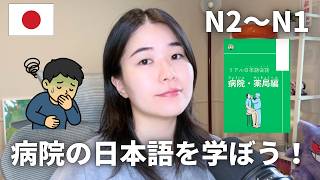
病院です。
byouin desu.
and it’s set at a hospital.
病院に行くっていうのが、第3弾です。
byouin ni iku tte iu no ga, dai 3 dan desu.
Going to the hospital is the theme of the third installment.
第3弾の主人公はハルコちゃんじゃなく、後輩のゆうきくんになります。
dai 3 dan no shujinkou wa harukochan ja naku, kouhai no yuukikun ni narimasu.
The protagonist in the third installment won’t be Haruko, but her junior colleague Yuki.
男性が主人公、ゆうきくんが熱が出て、
dansei ga shujinkou, yuukikun ga netsu ga dete,
The protagonist is a man. Yuki develops a fever
ちょっとインフルエンザかも、ちょっと病院行かなきゃいけないみたいな感じで会社から帰って病院に行って、
chotto infuruenza ka mo, chotto byouin ikanakya ikenai mitai na kanji de kaisha kara kaette byouin ni itte,
and thinks it might be the flu and that he needs to see a doctor, so he leaves work, goes to the hospital,
その病院のやり取りを細かく作る予定ですね。
sono byouin no yaritori o komakaku tsukuru yotei desu ne.
and I plan to cover the conversations at the hospital in detail.
どういう受付とかどういう症状を言うとか、
dou iu uketsuke to ka dou iu shoujou o yuu to ka,
It will include things like checking in at reception, describing symptoms,
薬をもらうとか、なんか、そういうやり取りになります。
kusuri o morau to ka, nan ka, sou iu yaritori ni narimasu.
and receiving medicine—that sort of interaction.
お楽しみに!
otanoshimi ni!
Look forward to it!
でもハルコちゃんも出てくるよ。
de mo harukochan mo dete kuru yo.
But Haruko will appear too.
いつも通り。
itsu mo toori.
As always.
これをね、ぜひね、シリーズとして買ってほしいなっていうのがあって、
kore o ne, zehi ne, shiriizu to shite katte hoshii na tte iu no ga atte,
I really hope you’ll buy these as a series.
なんかストーリーになっているので、
nan ka sutoorii ni natte iru no de,
They form an ongoing story,
それも楽しんでほしいんですよ。私的に。
sore mo tanoshinde hoshii n desu yo. watashiteki ni.
and personally, I want you to enjoy that aspect too.
ハルコちゃんは、今日はどんな冒険が待ってるんだろうとか、どんなキャラが出てくるんだろうとかね。
harukochan wa, kyou wa donna bouken ga matteru n darou to ka, donna kyara ga dete kuru n darou to ka ne.
You can wonder what kind of adventure awaits Haruko today and what new characters will appear.
ハルコちゃんの成長とかね。
harukochan no seichou to ka ne.
You can also watch Haruko grow.
ちょっとプロフィール、教えよっか。
chotto purofiiru, oshieyokka.
Shall I tell you a little about their profiles?
ハルコちゃんは32歳。東京で1人暮らし。 IT企業で人事をしている。趣味はカフェ巡り。
harukochan wa 32 sai. toukyou de 1 nin kurashi. IT kigyou de jinji o shite iru. shumi wa kafe meguri.
Haruko is 32 years old and lives alone in Tokyo. She works in HR at an IT company. Her hobby is visiting cafés.
これ、ハルコちゃんですね、主人公。
kore, harukochan desu ne, shujinkou.
That’s Haruko, the main character.
ミカちゃん。ミカちゃんは、後輩で25歳。
mikachan. mikachan wa, kouhai de 25 sai.
Then there’s Mika. Mika is her 25-year-old junior colleague.
ハルコの友達で、会社の後輩。 仲良しな後輩って感じかな。で、営業してます。
haruko no tomodachi de, kaisha no kouhai. nakayoshi na kouhai tte kanji ka na. de, eigyou shitemasu.
She’s Haruko’s friend and junior colleague at work. You could say they’re close. She works in sales.
趣味はアニメとアイドル。
shumi wa anime to aidoru.
Her hobbies are anime and idols.
今回初登場の部長。
konkai hatsu toujou no buchou.
The department manager makes his first appearance this time.
大谷部長ですね。
ooya buchou desu ne.
Manager Otani.
翔平じゃないよ。
shouhei ja nai yo.
Not Shohei.
SHOHEI OTANIじゃないよ。
SHOHEI OTANI ja nai yo.
Not SHOHEI OTANI.
大谷部長ですね。
ooya buchou desu ne.
It’s Manager Otani.
45歳。ハルカの、ハルカじゃない、私じゃない。
45 sai. haruka no, haruka ja nai, watashi ja nai.
He’s 45. He’s Haruka’s—no, not Haruka. That’s me.
ハルコの会社の上司。厳しいけれど頼れる部長。 趣味は奥さんと山登りです。
haruko no kaisha no joushi. kibishii keredo tayoreru buchou. shumi wa okusan to yamanobori desu.
He’s Haruko’s boss at her company. He’s strict but dependable. His hobby is hiking with his wife.
部長もいいキャラしてるんでね。
buchou mo ii kyara shiteru n de ne.
The manager is a great character too.
ぜひ私のウェブサイトで買えます。
zehi watashi no webusaito de kaemasu.
You can buy the materials on my website.
ウェブサイトに行くとSHOPって書いてあるところがあるので、そこから買えます。
webusaito ni iku to SHOP tte kaite aru tokoro ga aru no de, soko kara kaemasu.
If you go to the website, there’s a section labeled “SHOP,” and you can buy them there.
たくさん買ってくれたらうれしいな。
takusan katte kuretara ureshii na.
I’d be happy if lots of you bought them.
ということでね、この会話教材ね、
to iu koto de ne, kono kaiwa kyouzai ne,
So, about these conversation materials,
月1でできたら発売していきたいと思ってるんだけど、
gatsu 1 de dekitara hatsubai shite ikitai to omotteru n da kedo,
I’d like to release one every month if I can.
これを作ってほしいっていうリクエスト、ぜひお待ちしております。コメントとかで。
kore o tsukutte hoshii tte iu rikuesuto, zehi omachi shite orimasu. komento to ka de.
I’d love to hear your requests for the kinds of materials you want me to make. Leave them in the comments.
あのマジで採用しますから。
ano maji de saiyou shimasu kara.
I seriously might use your idea.
いろいろね、でもシチュエーション考えてるんだよね。
iroiro ne, de mo shichueeshon kangaeteru n da yo ne.
I’ve been thinking about all sorts of scenarios.
友達同士で旅行に行くすごいカジュアルな会話友達とのやり取りも作りたいし、
tomodachidoushi de ryokou ni iku sugoi kajuaru na kaiwa tomodachi to no yaritori mo tsukuritai shi,
I’d like to make really casual conversations between friends who go on a trip together,
ビジネス系で面接とか、
bijinesukei de mensetsu to ka,
as well as business-related scenarios like job interviews.
あとはなんだろうね。なんか、いろいろ。
ato wa nan darou ne. nan ka, iroiro.
What else? There are all sorts of possibilities.
なんだっけ忘れちゃったな。
nan da kke wasurechatta na.
What was it? I forgot.
なんか、いろいろ考えてたんだけど。
nan ka, iroiro kangaeteta n da kedo.
I had all sorts of ideas.
旅行...あと家族との会話とかね。
ryokou... ato kazoku to no kaiwa to ka ne.
Travel... and conversations with family too.
家族でどんな感じとかそういうのですね。
kazoku de donna kanji to ka sou iu no desu ne.
Things like what conversations within a family are like.
はい、ということで、みなさんよろしくお願いします。
hai, to iu koto de, minasan yoroshiku onegai shimasu.
All right, everyone, thank you in advance for your support.
じゃ、以上です。
ja, ijou desu.
Okay, that’s all.
今日はなんですかね。
kyou wa nan desu ka ne.
What was today’s episode about again?
教材発売したよーというお話でした!
kyouzai hatsubai shita yoo to iu ohanashi deshita!
It was about the new materials I released!
今日お話しした話、
kyou ohanashi shita hanashi,
I’ll make another transcript
またトランスクリプトを作りますので、
mata toran sukuriputo o tsukurimasu no de,
of what I talked about today,
私のウェブサイトをチェックしてみてください。
watashi no webusaito o chekku shite mite kudasai.
so please check my website.
あとインスタグラムYouTube、
ato insu tagu ramu YouTube,
And please follow me
こちらのフォローもお願いいたします。
kochira no foroo mo onegai itashimasu.
on Instagram and YouTube too.
えー、何でしたっけ?
ee, nan deshita kke?
Um, what else was there?
YouTubeメンバーシップ、メンバーを募集しておりますので、
YouTube menbaashippu, menbaa o boshuu shite orimasu no de,
I’m looking for new YouTube members,
ぜひこちらもチェックしてみてください。
zehi kochira mo chekku shite mite kudasai.
so please check that out too.
いろいろ勉強できます。
iroiro benkyou dekimasu.
You can study all sorts of things.
そして教材もね、よろしくお願いします。
soshite kyouzai mo ne, yoroshiku onegai shimasu.
And please check out the learning materials too.
私のウェブサイトから購入できます。
watashi no webusaito kara kounyuu dekimasu.
You can buy them from my website.
はい、あとは「Sunny Side Japanese Podcast」、こちらもやっております。
hai, ato wa " Sunny Side Japanese Podcast ", kochira mo yatte orimasu.
I also make the Sunny Side Japanese Podcast.
他の先生と対話式のポッドキャストになっていて、
hoka no sensei to taiwa shiki no poddo kyasuto ni natte ite,
It’s a conversational podcast with other teachers,
いろんなトピックについて、中級・上級者向けのレベルでやっておりますので。
ironna topikku ni tsuite, chuukyuu joukyuushamuke no reberu de yatte orimasu no de.
and we discuss various topics at an intermediate-to-advanced level.
そしてSunny Side Japanese、グループクラスコミュニティですね。
soshite Sunny Side Japanese, guruupu kurasu komyuniti desu ne.
And there’s Sunny Side Japanese, our group-class community.
メンバー募集中なので、
menbaa boshuuchuu na no de,
We’re accepting new members,
ぜひこちらもウェブサイトチェックしてみてください。
zehi kochira mo webusaito chekku shite mite kudasai.
so please check that out on the website too.
Sunny Side Japanese、メンバーもね、増えてきて、この間ね、オフ会やったのよ。また。東京で。
Sunny Side Japanese, menbaa mo ne, fuete kite, kono aida ne, ofu kai yatta no yo. mata. toukyou de.
The Sunny Side Japanese community has been growing, and the other day, we had another in-person meetup in Tokyo.
何人くらい?10名くらい来たかな。
nannin kurai? 10 mei kurai kita ka na.
How many people came? I think it was around ten.
そうそ、東京住みの、東京に住んでいる人と、今回ちょっと旅行で日本に来ましたっていう方と。
sou so, toukyou sumi no, toukyou ni sunde iru hito to, konkai chotto ryokou de nihon ni kimashita tte iu kata to.
Yeah, there were people who live in Tokyo and someone who had come to Japan on a trip.
面白いよね。
omoshiroi yo ne.
It’s interesting, isn’t it?
なんだろうね、ファミリーって感じ。
nan darou ne, famirii tte kanji.
How should I put it? It feels like a family.
Sunny Side Japaneseファミリーって感じで。
Sunny Side Japanese famirii tte kanji de.
Like the Sunny Side Japanese family.
なんかずっとオンラインで話してて、対面で会っても、なんかあんまり変わんないみたいな部分もあるし、
nan ka zutto on rain de hanashitete, taimen de atte mo, nan ka anmari kawannai mitai na bubun mo aru shi,
We’d been talking online for so long that even when we met in person, some things didn’t feel all that different.
「あ、そんなに背、高いんだ」とか。
" a, sonna ni se, takai n da " to ka.
But then you notice things like, “Oh, you’re that tall?”
いつも上半身しか分かんないからさ。
itsu mo jouhanshin shika wakannai kara sa.
Because online, you can only ever see the upper half of someone’s body.
「え?背、高っ」みたいな。なんかでかいみたいな。
" e? se, kou っ " mitai na. nan ka dekai mitai na.
You’re like, “Whoa, you’re tall!” or, “You’re huge!”
そのリアクション面白いよね。
sono riakushon omoshiroi yo ne.
Those reactions are funny.
あとなんだっけ。
ato na n da kke.
What else was there?
あ、YUYUさんと「HaruとYUYUのゲームで日本語」 というチャンネルもやっています。
a, YUYU san to " Haru to YUYU no geemu de nihon go " to iu channeru mo yatte imasu.
Oh, I also run a channel with YUYU called Haru and YUYU Learn Japanese Through Games.
今リトルナイトメア3をプレイしていて、
ima ritoru naitomea 3 o purei shite ite,
We’re currently playing Little Nightmares 3,
YouTubeチャンネルにプレイ動画上がってます。YUYUさんとの。
YouTube channeru ni purei douga agattemasu. YUYU san to no.
and gameplay videos with YUYU are up on the YouTube channel.
よろしくどうぞ。
yoroshiku douzo.
Please check it out.
以上です。
ijou desu.
That’s all.
最近ね、本当、私はもう家から出てない生活ですね。
saikin ne, hontou, watashi wa mou ie kara detenai seikatsu desu ne.
Lately, I’ve really been living a life where I never leave the house.
理由は暑いからです。
riyuu wa atsui kara desu.
The reason is that it’s hot.
もう死ぬほど暑くて40…40じゃねえ。
mou shinu hodo atsukute 40... 40 ja nee.
It’s unbearably hot—40... no, not 40.
37度とかになって、もう息苦しいのよ。 「サウナですか、ここは?」みたいなね。
37 do to ka ni natte, mou ikigurushii no yo. " sauna desu ka, koko wa? " mitai na ne.
It gets up to around 37 degrees, and it’s hard to breathe. It’s like, “Is this a sauna?”
ちょっと黒くなったしね。
chotto kuroku natta shi ne.
I’ve gotten a little tanned too.
スーパーに行くだけでちょっと黒くなる。
suupaa ni iku dake de chotto kuroku naru.
Just going to the supermarket makes me a little darker.
夏...でもね、近所でお祭りがあって、この間。
natsu... de mo ne, kinjo de omatsuri ga atte, kono aida.
Summer... But there was a festival in my neighborhood the other day.
盆踊りとかやってたよ。おばちゃんたちが。
bon'odori to ka yatteta yo. obachantachi ga.
The older ladies were doing Bon Odori.
埼玉なんだけどね、『東京音頭』踊ってたの。
saitama na n da kedo ne, " toukyou ondo " odotteta no.
This is in Saitama, but they were dancing to Tokyo Ondo.
違う?
chigau?
Or was it something else?
トゥルルルトゥル〜♪あ、違う違う。
turururuturu~ ♪ あ, chigau chigau.
Turururu, turu...♪ Oh, no, that’s not it.
これ地元の。
kore jimoto no.
That’s my local one.
盆踊りってのは、なんとか音頭っていう歌がある。
bon'odori tte no wa, nan to ka ondo tte iu uta ga aru.
For Bon Odori, there are songs called something-ondo.
東京音頭は、野球のヤクルトスワローズの応援歌にもなってるんだけど。
toukyou ondo wa, yakyuu no yakuruto suwaroozu no ouenka ni mo natteru n da kedo.
Tokyo Ondo is also used as a cheer song for the Yakult Swallows baseball team.
東京のやつ。
toukyou no yatsu.
It’s the Tokyo one.
すっげぇーど忘れした。
sugge ぇ ー dowasure shita.
It’s completely slipped my mind.
え、何だっけ。
e, nan da kke.
Wait, what was it again?
東京音頭〜♪
toukyou ondo~ ♪
Tokyo Ondo...♪
踊り踊るな〜ら、ちょいと東京音頭、ヨイヨイ〜♪
odoriodoru naa ra, choito toukyou ondo, yoiyoi~ ♪
If you’re going to dance, come dance the Tokyo Ondo—yoi, yoi!♪
踊ってた。埼玉なのに『東京音頭』なんだって思いました。
odotteta. saitama na no ni " toukyou ondo " na n da tte omoimashita.
That’s what they were dancing to. I thought, “Tokyo Ondo, even though this is Saitama?”
夏ですね。
natsu desu ne.
It really feels like summer.
以上ですね。
ijou desu ne.
That’s all.
何してんだろうね。最近ね。
nan shite n darou ne. saikin ne.
I wonder what I’ve been doing lately.
最近、特に何もしないわ。
saikin, tokuni nan mo shinai wa.
I really haven’t been doing much of anything recently.
はい、ということで、
hai, to iu koto de,
Okay, so,
以上。また次回。
ijou. mata jikai.
that’s all. Until next time.
バイバイ〜!
bai bai~!
Bye-bye!
Video and Japanese captions: Haru no Nihongo on YouTube. English: the channel's own captions.
Words at N1
- 教材teaching materialsN1
- コメントcommentN1
- チャンネルa channelN1
- スピードspeedN1
- 部department, part, category, counter for copies of a newspaper or magazineN1
- いくto go, to proceedN1
- 編compilation, editing, completed poem, book, part of bookN1
- ビジネスbusinessN1
- 封sealN1
- 上司superior authorities, bossN1
- 株式stock (company)N1
- 限定limit, restrictionN1
- 一部1. one copy e.g. of a document, 2. a part, partly, someN1
- 地元localN1
- 設定establishment, creationN1
- 採用use, adoptN1
- 機loomN1
- 到達reaching, attaining, arrivalN1
- 教科subject, curriculumN1
- 面白いinteresting, amusingN1
- 公開presenting to the publicN1
- 悩みtrouble(s), worry, distress, anguish, agony, problemN1
- 反響echo, reverberation, repercussion, reaction, influenceN1
- メッセージmessageN1
- 共感sympathy, responseN1
- 悩ますto trouble, to torment, to afflictN1
- 建前face, official stance, public position or attitude (as opposed to private thoughts)N1
- 決意decision, determinationN1
- ブルーblueN1
- カットcut, cuttingN1
- タイトルtitleN1
- 一切all, everything, without exception, the whole, entirely, absolutelyN1
- 体験personal experienceN1
- 踏まえるto be based on, to have origin inN1
- 語彙vocabulary, glossaryN1
- 部下subordinate personN1
- 待ち合わせappointmentN1
- 交えるto mix, to converse with, to cross (swords)N1
- 一気drink!(said repeatedly as a party cheer), in one breathN1
- 自己self, oneselfN1
- 事業project, enterprise, business, industry, operationsN1
- 恐れ入るto be filled with awe, to feel small, to be amazed, to be surprised, to be disconcerted, to be sorry, to bN1
- エンジニアengineerN1
- 志望wish, desire, ambitionN1
- 応募subscription, applicationN1
- 良いgoodN1
- 差し支えるto interfere, to hinder, to become impededN1
- トラブルtrouble (sometimes used as a verb)N1