
Explaining symptoms at a hospital or pharmacy
はい!
hai!
Hi!
Transcript
はい!
hai!
Hi!
みなさんこんにちはー!
minasan konnichihaa!
Hello, everyone!
お元気でしょうか?
ogenki deshou ka?
How are you doing?
はぁい( ^ω^ )
haai ( ^ω^)
Okaaay! ( ^ω^ )
このポッドキャストは、日本語学習者、中級者、上級者向けのポッドキャストです。
kono poddo kyasuto wa, nihon go gakushuusha, chuukyuusha, joukyuushamuke no poddo kyasuto desu.
This podcast is for intermediate and advanced learners of Japanese.
自然な速さ、自然な話し方で話します。
shizen na hayasa, shizen na hanashikata de hanashimasu.
I speak at a natural speed and in a natural way.
トランスクリプトを無料で公開していますので、
toran sukuriputo o muryou de koukai shite imasu no de,
I publish free transcripts,
私のHaru no Nihongoのウェブサイトをご覧ください。
watashi no Haru no Nihongo no webusaito o goran kudasai.
so please visit my Haru no Nihongo website.
そして、YouTubeチャンネル……
soshite, YouTube channeru......
And my YouTube channel...
YouTubeチャンネルじゃねえや。
YouTube channeru ja nee ya.
Wait, not my YouTube channel.
YouTubeメンバーシップやってます。
YouTube menbaashippu yattemasu.
I have a YouTube membership.
メンバーシップでは、いろいろ、あのー、
menbaashippu de wa, iroiro, anoo,
The membership has all sorts of things, um...
最近の日本のニュースについてやさしく説明したりとか、
saikin no nihon no nyuusu ni tsuite yasashiku setsumei shi tari to ka,
like easy-to-understand explanations of recent news from Japan.
なんかいろいろありますので、
nan ka iroiro arimasu no de,
There are all kinds of things,
メンバー限定コンテンツ、ぜひチェックしてみてください。
menbaa gentei kontentsu, zehi chekku shite mite kudasai.
so please check out the members-only content.
えーと、今日はですね、まずお知らせが2つ。
ee to, kyou wa desu ne, mazu oshirase ga 2 tsu.
So, today I have two announcements first.
そして、その後には「最近何してんの?」っていうね、軽いね、ゆるいね、話をしていきたいなと思います。
soshite, sono ato ni wa " saikin nan shiten no? " tte iu ne, karui ne, yurui ne, hanashi o shite ikitai na to omoimasu.
After that, I thought I'd have a light, relaxed chat about what I've been up to lately.
すいませんね。最近ちょっとね、ポッドキャストの更新が止まっていて、
suimasen ne. saikin chotto ne, poddo kyasuto no koushin ga tomatte ite,
Sorry about this. I haven't updated the podcast for a little while.
理由は、まあ、旅行に行ってたりしたとか、
riyuu wa, maa, ryokou ni itte tari shita to ka,
That's because I went on a trip and things like that,
まあ、シルバーウィークっていう連休、大型連休があったりとか、
maa, shirubaa wiiku tte iu renkyuu, oogata renkyuu ga attari to ka,
and we had a long holiday called Silver Week, which is an extended holiday in Japan.
まあ、いろいろいろいろ、ちょっとマジで、ほんとなんかもう、てんやわんや、
maa, iroiro iroiro, chotto maji de, honto nanka mou, ten'yawan'ya,
There was just so much going on. Seriously, everything was completely chaotic.
てんやわんやって感じだったので、ちょっと忙しかったんです。 すいません。
ten'yawan'ya tte kanji datta no de, chotto isogashikatta n desu. suimasen.
It was total chaos, so I've been a little busy. Sorry.
今日の2つの発表の準備みたいなのもあったんですよね。
kyou no 2 tsu no happyou no junbi mitai na no mo atta n desu yo ne.
I was also preparing the two announcements I'm making today.
順番に説明していきます。
junban ni setsumei shite ikimasu.
I'll explain them one at a time.
1つ目はですね、また3週間の日本語チャレンジをやります。
1 tsume wa desu ne, mata 3 shuukan no nihon go charenji o yarimasu.
First, I'm running another three-week Japanese challenge.
9月に3週間の日本語チャレンジをやってたんですよ。
9 gatsu ni 3 shuukan no nihon go charenji o yatteta n desu yo.
I ran a three-week Japanese challenge in September.
上級者向けの「読んで、考えて、書く」、3週間日本語チャレンジをやってたんですよ。
joukyuushamuke no " yonde, kangaete, kaku ", 3 shuukan nihon go charenji o yatteta n desu yo.
It was the advanced-level "Read, Think, and Write" three-week Japanese challenge.
結構、みなさんに「楽しかった」とか、「すごい勉強になった」って言っていただきまして。
kekkou, minasan ni " tanoshikatta " to ka, " sugoi benkyou ni natta " tte itte itadakimashite.
Quite a few people told me, "It was fun," and "I learned so much from it."
参加してくれた方、ありがとう、本当に。
sanka shite kureta kata, arigatou, hontou ni.
Thank you so much to everyone who participated.
で、今月はですね、中級者向けのチャレンジになります。
de, kongetsu wa desu ne, chuukyuushamuke no charenji ni narimasu.
This month's challenge will be for intermediate learners.
だいたい、まあ、N3、N2...N3ぐらいの人ですかね。
daitai, maa, N3, N2... N3 gurai no hito desu ka ne.
I'd say it's roughly for people around N3 or N2... maybe N3.
えっと、どんなチャレンジかというと、
etto, donna charenji ka to iu to,
So, what kind of challenge is it?
今度は「聞いて、まとめて、書く!」 3週間日本語チャレンジです。
kondo wa " kiite, matomete, kaku! " 3 shuukan nihon go charenji desu.
This time, it's "Listen, Summarize, and Write!" a three-week Japanese challenge.
「どういうこと?」「何するの?」 って思った方いると思うんですけど、
" dou iu koto? " " nan suru no? " tte omotta kata iru to omou n desu kedo,
Some of you are probably wondering, "What does that mean? What do we do?"
今回はですね、だいたい3分から5分くらいの音声を聞きます。
konkai wa desu ne, daitai 3 fun kara 5 fun kurai no onsei o kikimasu.
This time, you'll listen to audio clips that are about three to five minutes long.
音声を聞いて、それがどんな話をしているのか、自分でメモします。
onsei o kiite, sore ga donna hanashi o shite iru no ka, jibun de memo shimasu.
You'll listen to the audio and take notes yourself about what is being discussed.
メモして、その聞いた話を簡単に要約します。
memo shite, sono kiita hanashi o kantan ni youyaku shimasu.
Then you'll use your notes to briefly summarize what you heard.
まとめます。
matomemasu.
You'll sum it up.
要約するっていうのは、短く、どういうストーリー、何を言っていたのかっていうのを書くんですね。
youyaku suru tte iu no wa, mijikaku, dou iu sutoorii, nan o itte ita no ka tte iu no o kaku n desu ne.
To summarize means writing a short explanation of the story or what was said.
聞いたことをそのまま書くんじゃないですよ。
kiita koto o sono mama kaku n ja nai desu yo.
You don't just write down exactly what you heard.
自分で簡単に説明するっていうことです。
jibun de kantan ni setsumei suru tte iu koto desu.
You explain it simply in your own words.
結構難しいですけど、やってみましょう。
kekkou muzukashii desu kedo, yatte mimashou.
It's quite difficult, but let's give it a try.
そして、その音声を聞いて、自分でどう感じたかという意見や感想をさらに書く。
soshite, sono onsei o kiite, jibun de dou kanjita ka to iu iken ya kansou o sarani kaku.
Then, after listening to the audio, you'll also write your own thoughts and impressions about it.
2つ書くんですね。
2 tsu kaku n desu ne.
So you'll write two things.
聞いた音声をまとめる文章と、そして、それを聞いてどう思ったかという感想の文章。
kiita onsei o matomeru bunshou to, soshite, sore o kiite dou omotta ka to iu kansou no bunshou.
One piece summarizing the audio, and another explaining what you thought about it.
それを私に提出して、送って、私がそれをフィードバックする。
sore o watashi ni teishutsu shite, okutte, watashi ga sore o fiidobakku suru.
You'll submit them to me, and I'll give you feedback.
その後に、まとめた文章は答えみたいな、一応ね、「こういうことを書くとよかったよ」とか、
sono ato ni, matometa bunshou wa kotae mitai na, ichiou ne, " kou iu koto o kaku to yokatta yo " to ka,
Afterward, for the summary, I'll send you something like a model answer, with comments such as, "It would have been good to include this," or
「こういうふうにまとめたらきれいだよ」っていう、答えみたいなものを送ります。
" kou iu fuu ni matometara kirei da yo " tte iu, kotae mitai na mono o okurimasu.
"This would be a clear way to summarize it." I'll send you something like an answer key.
感想、意見の文章は、私が文法をチェックしたりとか、
kansou, iken no bunshou wa, watashi ga bunpou o chekku shi tari to ka,
For the piece with your thoughts and opinions, I'll check the grammar,
「もっとこういう言葉を使うといいよ」 っていうのをチェックして送る。
" motto kou iu kotoba o tsukau to ii yo " tte iu no o chekku shite okuru.
and send it back with suggestions like, "This word would work better here."
これで1週間です。
kore de 1 shuukan desu.
That makes up one week.
「どんな音声?」 「じゃあ何を聞くの?」っていう話なんですけど、
" donna onsei? " " jaa nan o kiku no? " tte iu hanashi na n desu kedo,
So, what kind of audio will it be? What will you listen to?
1週目はですね、日本の昔話を聞きます。
1 shuume wa desu ne, nihon no mukashibanashi o kikimasu.
In the first week, you'll listen to a Japanese folktale.
『笠地蔵』という話があるんですけど、その音声を聞きます。
" kasa jizou " to iu hanashi ga aru n desu kedo, sono onsei o kikimasu.
There's a story called "The Straw-Hat Jizo Statues," and you'll listen to that.
だから物語ですね。
da kara monogatari desu ne.
So it's a narrative.
ストーリーを聞くんですね。
sutoorii o kiku n desu ne.
You'll listen to a story.
2週目。
2 shuume.
Week two.
2週目は日本のニュースです。
2 shuume wa nihon no nyuusu desu.
In the second week, you'll listen to Japanese news.
簡単にしたニュースです。
kantan ni shita nyuusu desu.
It will be simplified news.
難しくないニュースを聞いて、どんなニュースだったのか、自分でまとめます。
muzukashiku nai nyuusu o kiite, donna nyuusu datta no ka, jibun de matomemasu.
You'll listen to news that isn't too difficult and summarize what it was about in your own words.
3週目はですね、エッセイとか、「これについてどう思いますか?」みたいな、
3 shuume wa desu ne, essei to ka, " kore ni tsuite dou omoimasu ka? " mitai na,
In the third week, it will be an essay or something like, "What do you think about this?"
ちょっと社会問題とか、そういう心の話とか、人生の話とか、そういうのを3分から5分。
chotto shakai mondai to ka, sou iu kokoro no hanashi to ka, jinsei no hanashi to ka, sou iu no o 3 fun kara 5 fun.
It might be about a social issue, emotions, or life, and it will be three to five minutes long.
最後はね、ちょっと長くしようかなと。
saigo wa ne, chotto nagaku shiyou ka na to.
I think I'll make the last one a little longer.
5分ぐらいにしようかなと考えています。
5 fun gurai ni shiyou ka na to kangaete imasu.
I'm thinking of making it about five minutes.
なので、このチャレンジはですね、もちろん聞く力も強くなりますし、
na no de, kono charenji wa desu ne, mochiron kiku chikara mo tsuyoku narimasu shi,
So this challenge will, of course, help strengthen your listening skills.
自分の言葉で説明する、自分の日本語で聞いたことを説明する、まとめるという力も強くなりますし、
jibun no kotoba de setsumei suru, jibun no nihon go de kiita koto o setsumei suru, matomeru to iu chikara mo tsuyoku narimasu shi,
It will also strengthen your ability to explain what you heard and summarize it in your own Japanese,
そして書く力ですね。
soshite kaku chikara desu ne.
as well as your writing skills.
まあ、3週間の料金は前回と一緒で59ユーロになります。
maa, 3 shuukan no ryoukin wa zenkai to issho de 59 yuuro ni narimasu.
The fee for the three weeks is 59 euros, the same as last time.
私のウェブサイトから参加の申し込みができますので、ぜひチェックしてみてください。
watashi no webusaito kara sanka no moushikomi ga dekimasu no de, zehi chekku shite mite kudasai.
You can sign up through my website, so please check it out.
今回も少ない人数でやりますので、
konkai mo sukunai ninzuu de yarimasu no de,
Once again, I'll keep the group small,
少人数でやりますので、まあ、お早めに。
shouninzuu de yarimasu no de, maa, ohayame ni.
so please sign up early.
で、スタートの日は10月11日です。
de, sutaato no hi wa 10 gatsu 11 ka desu.
The start date is October 11.
10月11日から3週間でしたよね。
10 gatsu 11 ka kara 3 shuukan deshita yo ne.
It runs for three weeks starting on October 11, right?
はい、10月11日。
hai, 10 gatsu 11 ka.
Yes, October 11.
そう、そうだと思います。
sou, sou da to omoimasu.
Right, I think that's correct.
10月……ほんと?10月10日?11日?
10 gatsu...... honto? 10 gatsu 10 ka? 11 ka?
October... really? October 10? The 11th?
やべ、ちょっと忘れちゃったっていう。
ya be, chotto wasurechatta tte iu.
Oh no, I've forgotten.
どっちだろう。どっちかです。
dotchi darou. dotchi ka desu.
Which one was it? It's one of those two.
10月11日ですね。からスタートですね。
10 gatsu 11 ka desu ne. kara sutaato desu ne.
It's October 11. That's when it starts.
はい、てな感じです。から3週間。
hai, te na kanji desu. kara 3 shuukan.
So that's the plan. It lasts three weeks.
もちろんね、あの、N3レベルじゃないよっていう人も、
mochiron ne, ano, N3 reberu ja nai yo tte iu hito mo,
Of course, even if you're not at the N3 level,
えー、もう少し下のレベルの人、そして上のレベルの人、
ee, mou sukoshi shita no reberu no hito, soshite ue no reberu no hito,
whether your level is a little lower or higher,
もちろん申し込むことはできますけど、
mochiron moushikomu koto wa dekimasu kedo,
you can still sign up.
えっと、聞く音声のレベルが、だいたいN3レベルの人を、対象に、ターゲットに作ってますから、
etto, kiku onsei no reberu ga, daitai N3 reberu no hito o, taishou ni, taagetto ni tsukuttemasu kara,
But the audio is designed for people at roughly the N3 level,
こちら気をつけてね、という感じです。
kochirage o tsukete ne, to iu kanji desu.
so please keep that in mind.
たくさんのご応募、お待ちしております。
takusan no gooubo, omachi shite orimasu.
I'm looking forward to lots of applications.
何、これ、この手。変な手にしちゃった。
nan, kore, kono te. hen na te ni shichatta.
What is this hand gesture? That came out weird.
そしてそして、もう1つはですね、
soshite soshite, mou 1 tsu wa desu ne,
And now for the other announcement.
第3弾の会話教材、「リアル日本語会話教材」第3弾、発売しました。
dai 3 dan no kaiwa kyouzai, " riaru nihon go kaiwa kyouzai " dai 3 dan, hatsubai shimashita.
The third volume of my conversation-learning materials, "Real Japanese Conversation," is now available.
先にね、YouTubeメンバーシップの方には、先にお知らせしたんですけど、
saki ni ne, YouTube menbaashippu no hou ni wa, saki ni oshirase shita n desu kedo,
I announced it earlier to YouTube members,
はい、3つ目ですね。発売しました。
hai, 3 tsume desu ne. hatsubai shimashita.
but yes, the third one is now available.
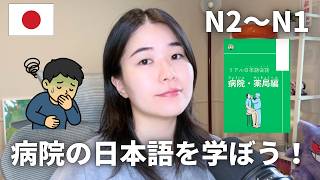
えー、今回は病院・薬局編になります。
ee, konkai wa byouin yakkyoku hen ni narimasu.
This edition is about hospitals and pharmacies.
「リアル日本語会話 病院・薬局編」。
" riaru nihon go kaiwa byouin yakkyoku hen ".
"Real Japanese Conversation: Hospitals and Pharmacies."
みなさんね、日本で病院に行くとき、どうする?
minasan ne, nihon de byouin ni iku toki, dou suru?
So, what do you do when you need to visit a hospital in Japan?
知ってる? システムとか、どんなことをするとか、何を聞かれるとか、どういう手順で行くのとか、
shitteru? shisutemu to ka, donna koto o suru to ka, nan o kikareru to ka, dou iu tejun de iku no to ka,
Do you know how the system works, what you have to do, what you'll be asked, and what the process is?
何を持っていくの?
nan o motte iku no?
What should you bring?
そして何を言えばいいのか。
soshite nan o ieba ii no ka.
And what should you say?
それをすべてこの教材に載せました。
sore o subete kono kyouzai ni nosemashita.
I've included all of that in these materials.
どんなことを勉強できるかというとですね、
donna koto o benkyou dekiru ka to iu to desu ne,
So, what can you learn from them?
今回もですね、もちろん、はるこちゃん。
konkai mo desu ne, mochiron, harukochan.
Once again, of course, there's Haruko.
主人公のはるこちゃん、そして後輩のみかちゃんとゆうきくんが登場するんですね。
shujinkou noharukochan, soshite kouhai nomi ka chanto yuukikun ga toujou suru n desu ne.
Haruko, the main character, and her juniors Mika and Yuki all appear.
この3人の会話から始まるんですね。
kono 3 nin no kaiwa kara hajimaru n desu ne.
It begins with a conversation among the three of them.
ただ、今回のメインキャラクターはゆうきくんです。
tada, konkai no mein kyarakutaa wa yuukikun desu.
But this time, Yuki is the main character.
ゆうきくんがですね、最初にですね、みんなとお話ししてるんですけど、
yuukikun ga desu ne, saisho ni desu ne, minna to ohanashi shiteru n desu kedo,
At first, Yuki is talking with everyone,
ゆうきくん、元気ないんですね。
yuukikun, genki nai n desu ne.
but he doesn't seem well.
「あれ?どうしたんすか?」って。
" are? dou shita nsu ka? " tte.
They're like, "Huh? What's wrong?"
みかちゃんがね、「もしかしてインフルエンザじゃないの?」って。
mikachan ga ne, " moshi ka shite infuruenza ja nai no? " tte.
Mika says, "Could it be the flu?"
「病院行ってくださいよ」っていう話から始まります。会話が。
" byouin itte kudasai yo " tte iu hanashi kara hajimarimasu. kaiwa ga.
The conversation begins with her saying, "You should go to the doctor."
そこからゆうきくんが病院に行って、
soko kara yuukikun ga byouin ni itte,
From there, Yuki goes to a hospital,
どういう症状があるのか、
dou iu shoujou ga aru no ka,
explains what symptoms he has,
どんな問題があるのか話して、
donna mondai ga aru no ka hanashite,
and describes what's wrong.
そして、お医者さんの診察ですね。
soshite, oishasan no shinsatsu desu ne.
Then he has an appointment with the doctor.
お医者さんに診てもらって、
oishasan ni mite moratte,
The doctor examines him,
そして薬をもらいに、薬局に行きます。
soshite kusuri o morai ni, yakkyoku ni ikimasu.
and then he goes to a pharmacy to get his medicine.
そんなやりとりがありますね。
sonna yaritori ga arimasu ne.
Those are the kinds of interactions it includes.
で、えっと、もちろんですね、
de, etto, mochiron desu ne,
And, of course,
自分の症状を伝えるという、その表現方法。
jibun no shoujou o tsutaeru to iu, sono hyougen houhou.
you'll learn how to describe your symptoms.
何が悪いのか。
nan ga warui no ka.
How to explain what's wrong.
「頭が痛い」「お腹が痛い」だけじゃないですよね。
" atama ga itai " " onaka ga itai " dake ja nai desu yo ne.
It isn't just "I have a headache" or "My stomach hurts."
喉が痛いとか、そして体が重いとかね、
nodo ga itai to ka, soshite karada ga omoi to ka ne,
Things like having a sore throat or feeling heavy and sluggish.
どんな症状があるのか、っていうのを詳しく勉強することができます。
donna shoujou ga aru no ka, tte iu no o kuwashiku benkyou suru koto ga dekimasu.
You can learn in detail how to describe all kinds of symptoms.
お医者さんとの会話はこんな感じです。
oishasan to no kaiwa wa konna kanji desu.
The conversation with the doctor goes like this.
どうぞ。
douzo.
Come in.
横山さん、こんにちは。
yokoyamasan, konnichiwa.
Hello, Mr. Yokoyama.
熱があって、咳や喉の痛みもあるんですね。
netsu ga atte, seki ya nodo no itami mo aru n desu ne.
You have a fever, a cough, and a sore throat, is that right?
はい。昨日の夜から寒気がして、今朝から体がすごくだるくて。
hai. kinou no yoru kara samuke ga shite, kesa kara karada ga sugoku darukute.
Yes. I started feeling chills last night, and I've felt really weak since this morning.
うーん、熱も高いね。
uun, netsu mo takai ne.
Hmm, your temperature is high too.
インフルエンザかもな。
infuruenza ka mo na.
It might be influenza.
吐き気や下痢、頭痛はありますか?
hakike ya geri, zutsuu wa arimasu ka?
Do you have nausea, diarrhea, or a headache?
いえ、ありません。
ie, arimasen.
No, I don't.
でも、食欲はあまりないです。
de mo, shokuyoku wa amari nai desu.
But I don't have much of an appetite.
周りにインフルエンザにかかった人はいますか?
mawari ni infuruenza ni kakatta hito wa imasu ka?
Has anyone around you had the flu?
同じ部署に、先週インフルで休んでいた人がいます。
onaji busho ni, senshuu infuru de yasunde ita hito ga imasu.
Someone in my department was off work with the flu last week.
そして、えっと、もちろん病院の言葉を勉強することもできます。
soshite, etto, mochiron byouin no kotoba o benkyou suru koto mo dekimasu.
And, of course, you can also learn vocabulary used at hospitals.
初診、再診とか、体温計とかね、なんかいろいろですね。
shoshin, saishin to ka, taionkei to ka ne, nan ka iroiro desu ne.
Things like first visit, follow-up visit, thermometer, and so on.
あとは、日本の病院に行くシステム。
ato wa, nihon no byouin ni iku shisutemu.
You can also learn about the system for visiting a hospital in Japan.
どういうシステムなのかというのも知ることができます。
dou iu shisutemu na no ka to iu no mo shiru koto ga dekimasu.
You'll learn how the system works.
あとはですね、日本の病院の種類ですね。
ato wa desu ne, nihon no byouin no shurui desu ne.
And you'll learn about the different kinds of medical facilities in Japan.
日本は結構ね、クリニックも病院って言うんですよ。
nihon wa kekkou ne, kurinikku mo byouin tte iu n desu yo.
In Japan, even clinics are often called hospitals.
病院というと結構大きい病院だと思うじゃないですか。
byouin to iu to kekkou ookii byouin da to omou ja nai desu ka.
When you hear "hospital," you probably imagine a fairly large facility.
でも日本は、ちっちゃいクリニック、街にある小さいやつでも病院って言うんですね。
de mo nihon wa, chitchai kurinikku, machi ni aru chiisai yatsu de mo byouin tte iu n desu ne.
But in Japan, even a tiny clinic, like the small ones around town, is called a hospital.
そのクリニックの種類とかね、知ることができます。
sono kurinikku no shurui to ka ne, shiru koto ga dekimasu.
You can learn about the different types of clinics too.
風邪をひいたら、みなさんどの病院に行きますか?ってね。
kaze o hiitara, minasan dono byouin ni ikimasu ka? tte ne.
If you catch a cold, which kind of doctor do you visit?
「風邪の病院」なんて書いてないんですね。
" kaze no byouin " nante kaitenai n desu ne.
You won't see a sign saying "cold hospital."
日本だと内科と言います。
nihon da to naika to iimasu.
In Japan, you go to internal medicine.
内科。
naika.
Internal medicine.
「内科に行ってください」とか「内科の病院を検索する」とかね。
" naika ni itte kudasai " to ka " naika no byouin o kensaku suru " to ka ne.
People might say, "Go to internal medicine," or "Search for an internal medicine clinic."
内科です。
naika desu.
Internal medicine.
インフルエンザとかコロナとか、そういう風邪は内科ね。
infuruenza to ka korona to ka, sou iu kaze wa naika ne.
For illnesses like the flu or COVID, you go to internal medicine.
じゃあ、目が痛いとき、目がかゆいときは眼科に行きますね。
jaa, me ga itai toki, me ga kayui toki wa ganka ni ikimasu ne.
If your eyes hurt or itch, you go to an ophthalmologist.
眼科の病院です。
ganka no byouin desu.
An eye clinic.
とか、えー、あと、なんだ。
to ka, ee, ato, nan da.
And, um, what else?
あと、なんか顔にブツブツができたとかね。
ato, nan ka kao ni butsubutsu ga dekita to ka ne.
Maybe you suddenly get bumps all over your face.
私、あのー、見てください。
watashi, anoo, mite kudasai.
Look at me, for example.
ちょっとビデオで見てる方はわかると思うんですけど、
chotto bideo de miteru kata wa wakaru to omou n desu kedo,
Those watching the video can probably see it,
佐渡島の旅行に行ってさ、
sadogashima no ryokou ni itte sa,
but I went on a trip to Sado Island,
蚊に刺されまくったのね。夜。
ka ni sasare makutta no ne. yoru.
and mosquitoes bit me all over at night.
ボッコボコにやられて。蚊がやばくて「マジ強!」みたいな。
bokkoboko ni yararete. ka ga yabakute " maji kyou! " mitai na.
They absolutely destroyed me. Those mosquitoes were brutal. I was like, "They're so strong!"
「佐渡の蚊、めちゃくちゃつえー!」みたいな感じで、すごいかゆいんですね。
" sado no ka, mechakucha tsue ー! " mitai na kanji de, sugoi kayui n desu ne.
I was like, "The mosquitoes on Sado are insanely tough!" And the bites are really itchy.
こういう場合、どこに行きますか? みたいなね。
kou iu baai, doko ni ikimasu ka? mitai na ne.
So where would you go in a situation like this?
皮膚科です。
hifuka desu.
Dermatology.
皮膚科。
hifuka.
A dermatologist.
なんかこういうのって、やっぱり実際、日本で住んでる方って、すごく困ると思うんですよ。
nan ka kou iu no tte, yappari jissai, nihon de sunderu kata tte, sugoku komaru to omou n desu yo.
Things like this can be really confusing for people who actually live in Japan.
どこの病院に行けばいいのかわかんないし、名前もわかんない。
doko no byouin ni ikeba ii no ka wakannai shi, namae mo wakannai.
You don't know which clinic to visit or what it's called.
そういう人のために、今回は作りました。
sou iu hito no tame ni, konkai wa tsukurimashita.
I made this edition for people in that situation.
お医者さんとの会話とかさ、病院の受付の会話とかさ、なんか難しいよね。
oishasan to no kaiwa to ka sa, byouin no uketsuke no kaiwa to ka sa, nan ka muzukashii yo ne.
Conversations with doctors and hospital receptionists can seem difficult, right?
でもね、いつも、だいたい会話は同じなんですよ。
de mo ne, itsu mo, daitai kaiwa wa onaji na n desu yo.
But the conversations are usually much the same.
「こんにちは。初診ですか?再診ですか?」
" konnichiwa. shoshin desu ka? saishin desu ka? "
"Hello. Is this your first visit or a follow-up visit?"
初めてですかってことですね。 初めてなのか、1回来たことがありますか。
hajimete desu ka tte koto desu ne. hajimete na no ka, 1 kai kita koto ga arimasu ka.
That means they're asking whether it's your first time, or whether you've been there before.
そういう会話とかね、だいたいテンプレートがあるので。
sou iu kaiwa to ka ne, daitai tenpureeto ga aru no de.
Those conversations usually follow a set pattern.
もちろんですね、日本に住んでない人にとっても勉強になるように作っています。
mochiron desu ne, nihon ni sundenai hito ni totte mo benkyou ni naru you ni tsukutte imasu.
Of course, I've also designed it to be useful for people who don't live in Japan.
やっぱり自分の体調を伝えることとか、
yappari jibun no taichou o tsutaeru koto to ka,
You can learn how to describe how you're feeling,
そういった、なんか専門的な言葉ね、勉強できるようになっておりますので、
sou itta, nan ka senmonteki na kotoba ne, benkyou dekiru you ni natte orimasu no de,
and study that kind of specialized vocabulary,
ぜひチェックしてみてください。
zehi chekku shite mite kudasai.
so please check it out.
値段は12ユーロです。
nedan wa 12 yuuro desu.
It costs 12 euros.
ウェブサイトから買うことができます。
webusaito kara kau koto ga dekimasu.
You can buy it through my website.
今回は、教材、教科書の最後にクイズ問題もありますので、
konkai wa, kyouzai, kyoukasho no saigo ni kuizu mondai mo arimasu no de,
This time, there's also a quiz at the end of the textbook,
ちょっと楽しくクイズをやって、復習もできるという感じですね。
chotto tanoshiku kuizu o yatte, fukushuu mo dekiru to iu kanji desu ne.
so you can have some fun taking the quiz and review what you've learned.
よろしくどうぞ。
yoroshiku douzo.
I hope you'll enjoy it.
YouTubeメンバーシップになった人には、割引クーポンを配ってます。
YouTube menbaashippu ni natta hito ni wa, waribiki kuupon o kubattemasu.
YouTube members will receive a discount coupon.
クーポンについてはね、メンバーシップの方、
kuupon ni tsuite wa ne, menbaashippu no hou,
Members can find the coupon details
私のYouTubeのポスト、投稿にありますので、チェックしてみてください。
watashi no YouTube no posuto, toukou ni arimasu no de, chekku shite mite kudasai.
in a post on my YouTube page, so please check it out.
はい、そんな感じかな。
hai, sonna kanji ka na.
Okay, I think that's everything.
今回の教材もね、できるだけね、楽しく日本語を学べるように、
konkai no kyouzai mo ne, dekiru dake ne, tanoshiku nihon go o manaberu you ni,
I've designed these materials to make learning Japanese as enjoyable as possible,
そして、かなり今回は実用的ですね。
soshite, kanari konkai wa jitsuyouteki desu ne.
and this edition is especially practical.
って感じですね。
tte kanji desu ne.
So, that's the idea.
私もさ、なんか最近よく病院行くのよ。
watashi mo sa, nan ka saikin yoku byouin iku no yo.
I've been going to the doctor a lot lately too.
もう、なんか年を取るとさ、なんか病院に行く回数も増えるわけね。
mou, nan ka toshi o toru to sa, nan ka byouin ni iku kaisuu mo fueru wake ne.
As you get older, you end up going to the doctor more often.
うーん、めんどくさいよね。病院って。
uun, mendokusai yo ne. byouin tte.
Ugh, hospitals are such a hassle, aren't they?
でも、あの、日本の場合はいつでも予約できます。
de mo, ano, nihon no baai wa itsu de mo yoyaku dekimasu.
But in Japan, you can make an appointment anytime.
もう、そこら辺にクリニック、病院がありますので、
mou, sokora hen ni kurinikku, byouin ga arimasu no de,
There are clinics and hospitals all over the place,
いつでも、どんなクリニックでも、誰でも行けます。
itsu de mo, donna kurinikku de mo, dare de mo ikemasu.
so anyone can visit any clinic at any time.
予約するクリニックもあるし、予約いらないっていうクリニックもありますから。
yoyaku suru kurinikku mo aru shi, yoyaku iranai tte iu kurinikku mo arimasu kara.
Some clinics require appointments, while others don't.
で、待ち時間もそんなに長くないんですよ。日本の病院って。
de, machi jikan mo sonna ni nagaku nai n desu yo. nihon no byouin tte.
And the waiting times at Japanese hospitals usually aren't very long.
で、まあ、あの、人気の病院ももちろんあるんですよ。 やっぱ、すごく上手な先生。
de, maa, ano, ninki no byouin mo mochiron aru n desu yo. yappa, sugoku jouzu na sensei.
Of course, some hospitals are popular. Some doctors are especially skilled.
名医って言われる先生とかがいるところは、もちろん混んでますから、1時間待つとかありますけど、
meii tte iwareru sensei to ka ga iru tokoro wa, mochiron kondemasu kara, 1 jikan matsu to ka arimasu kedo,
Places with doctors known as great physicians are naturally busy, so you might wait an hour.
基本的には10分くらい待てば入れるのが、だいたい普通ですね。
kihonteki ni wa 10 fun kurai mateba ireru no ga, daitai futsuu desu ne.
But normally, you can get in after waiting about ten minutes.
10分、15分。
10 bun, 15 fun.
Ten or fifteen minutes.
で、えっと、まあ、日本の病院だと基本的に保険をすべての国民が持ってますので、日本だと。
de, etto, maa, nihon no byouin da to kihonteki ni hoken o subete no kokumin ga mottemasu no de, nihon da to.
In Japan, basically everyone has health insurance.
日本で滞在している人、長く滞在している人は、自動的に保険が付与されるので。
nihon de taizai shite iru hito, nagaku taizai shite iru hito wa, jidouteki ni hoken ga fuyo sareru no de.
People staying in Japan long-term are automatically enrolled in the insurance system.
えっと、もちろん保険料を払わなきゃいけないんですけど。
etto, mochiron hokenryou o harawanakya ikenai n desu kedo.
Of course, you do have to pay insurance premiums.
なので保険を使うので、まあ、高くもないですね。
na no de hoken o tsukau no de, maa, takaku mo nai desu ne.
But because we use insurance, it isn't very expensive.
だいたい3割負担かな。30%を私たちが払うっていう感じですね。
daitai 3 wari futan ka na. 30% o watashitachi ga harau tte iu kanji desu ne.
We generally pay 30% of the cost, I think.
なので、まあ、1回の支払いだと、
na no de, maa, 1 kai no shiharai da to,
So for a single visit,
まあ、なんか1,000円、2,000円くらいかな。薬をもらって。
maa, nan ka 1,000 en, 2,000 en kurai ka na. kusuri o moratte.
including medicine, it might be around 1,000 or 2,000 yen.
結構ね、あの、簡単に病院に行けますので、
kekkou ne, ano, kantan ni byouin ni ikemasu no de,
It's quite easy to see a doctor here,
もし日本で体調を崩した方、まあ、旅行中はちょっと厳しいけど、もちろん。
moshi nihon de taichou o kuzushita kata, maa, ryokouchuu wa chotto kibishii kedo, mochiron.
so if you become unwell in Japan— though it may be a little difficult if you're only traveling—
なんかこうね、日本に引っ越したばかりで、
nan ka kou ne, nihon ni hikkoshita bakari de,
or if you've just moved to Japan
でも体調悪いっていう人は、もうどんどん病院行ってみましょう。
de mo taichou warui tte iu hito wa, mou dondon byouin itte mimashou.
and you're feeling ill, please don't hesitate to visit a doctor.
「どんどん病院行って」っていうのもおかしいんだけど、
" dondon byouin itte " tte iu no mo okashii n da kedo,
It sounds strange to say, "Go to the doctor as much as you like," but
安いし、しっかり診てもらえますので。
yasui shi, shikkari mite moraemasu no de.
it's affordable, and they'll examine you properly.
体調不良はね、我慢しちゃダメです。
taichou furyou wa ne, gaman shicha dame desu.
Don't just put up with feeling unwell.
何か問題があったら、病院に行きましょうね。
nan ka mondai ga attara, byouin ni ikimashou ne.
If something is wrong, go and see a doctor.
あと、歯ね。歯医者も日本は結構安いので、問題があったら絶対行ってください。
ato, ha ne. ha isha mo nihon wa kekkou yasui no de, mondai ga attara zettai itte kudasai.
And your teeth! Dentists are fairly affordable in Japan too, so if there's a problem, definitely go.
本当に。
hontou ni.
Seriously.
私は3か月に1回行ってます。
watashi wa 3 kagetsu ni 1 kai ittemasu.
I go once every three months.
歯!
ha!
Teeth!
歯大事!
ha daiji!
Teeth are important!
歯と目ね。
ha to me ne.
Your teeth and your eyes.
歯と目は本当に大事だなって思うんですよ。最近。
ha to me wa hontou ni daiji da na tte omou n desu yo. saikin.
Lately, I've really been thinking about how important they are.
生きていけないじゃん、歯と目がないと。
ikite ikenai jan, ha to me ga nai to.
You couldn't live without your teeth and eyes, right?
病院行ってください。みんな。
byouin itte kudasai. minna.
Everyone, go to the doctor when you need to.
健康第一!
kenkou daiichi!
Health comes first!
教材も買ってください!
kyouzai mo katte kudasai!
And please buy my materials!
以上です。
ijou desu.
That's all.
はい、ということで、第4弾はですね、今もう考えていて、教材。
hai, to iu koto de, dai 4 dan wa desu ne, ima mou kangaete ite, kyouzai.
So, I'm already thinking about volume four of the materials.
第1弾は、結構カジュアルめ。第2弾はビジネス系。
dai 1 dan wa, kekkou kajuarume. dai 2 dan wa bijinesukei.
Volume one was fairly casual. Volume two was business-focused.
そして今回の第3弾は、実用的な、日本の生活に役立つもの。
soshite konkai no dai 3 dan wa, jitsuyouteki na, nihon no seikatsu ni yakudatsu mono.
And volume three is practical and useful for life in Japan.
次は、またカジュアル系に戻って、なんか旅行、友達と旅行に行く、みたいな感じにする予定です。
tsugi wa, mata kajuarukei ni modotte, nan ka ryokou, tomodachi to ryokou ni iku, mitai na kanji ni suru yotei desu.
Next, I'll return to something more casual, maybe about taking a trip with friends.
お楽しみに。
otanoshimi ni.
Please look forward to it.
はい、以上ですね。もう忙しいな、最近。
hai, ijou desu ne. mou isogashii na, saikin.
Okay, that's all. I've been so busy lately.
いろいろやってて。
iroiro yattete.
I've been doing all sorts of things.
やっぱ、でも楽しいんだよね。
yappa, de mo tanoshii n da yo ne.
But it really is fun.
なんか、みんなに、やっぱみんなに満足してもらえると、やっぱ私も、すごい、やっぱうれしいんですよ。
nan ka, minna ni, yappa minna ni manzoku shite moraeru to, yappa watashi mo, sugoi, yappa ureshii n desu yo.
When everyone is happy with what I make, it makes me really happy too.
「楽しかった」とか、「役に立った」とか、「勉強になった」とか言ってもらえるとね、
" tanoshikatta " to ka, " yaku ni tatta " to ka, " benkyou ni natta " to ka itte moraeru to ne,
When people tell me, "It was fun," "It was useful," or "I learned a lot,"
やっぱうれしいじゃん。うれしいんですよ。
yappa ureshii jan. ureshii n desu yo.
that makes me happy, you know? It really does.
みんな、ありがとう。本当に。
minna, arigatou. hontou ni.
Thank you, everyone. Truly.
私はね、ダラダラ人間なんで、本当に。
watashi wa ne, daradara ningen na n de, hontou ni.
I'm naturally a very lazy person. Seriously.
本当にダラダラするんですよ。
hontou ni daradara suru n desu yo.
I really do laze around a lot.
なんか、なんで頑張れるかっていうと、マジでみんながいるからって感じです。
nan ka, nan de ganbareru ka tte iu to, maji de minna ga iru kara tte kanji desu.
If you ask why I can keep working so hard, honestly, it's because all of you are here.
まあ、最近何をしているのかっていう話で、まあ、あの、そう、佐渡島に行ったんですね。
maa, saikin nan o shite iru no ka tte iu hanashi de, maa, ano, sou, sadogashima ni itta n desu ne.
So, as for what I've been doing lately, I went to Sado Island.
佐渡島旅行、4日間。
sadogashima ryokou, 4 kakan.
It was a four-day trip to Sado Island.
詳しくは、次のエピソードで、何をしたかとか話したいと思うんですけど、
kuwashiku wa, tsugi no episoodo de, nan o shita ka to ka hanashitai to omou n desu kedo,
I'll talk about what I did in more detail in the next episode.
まあ、もうひと言で言うと、「佐渡島最高! おすすめ!」っていう感じなんで、
maa, mou hitokoto de yuu to, " sadogashima saikou! osusume! " tte iu kanji na n de,
But to sum it up in one sentence: "Sado Island is amazing! I highly recommend it!"
次のエピソード、お楽しみに。
tsugi no episoodo, otanoshimi ni.
Look forward to the next episode.
まあ、蚊に刺されまくったけどね。
maa, ka ni sasare makutta kedo ne.
Though I did get bitten by mosquitoes all over.
体中ボッコボコになったんだけど。夜に。
taichuu bokkoboko ni natta n da kedo. yoru ni.
My whole body was covered in bites from nighttime.
他のところも刺されていて、かゆいなって感じ。
hoka no tokoro mo sasarete ite, kayui na tte kanji.
I got bitten in other places too, and they're really itchy.
あとは、旅行に行ってたんで、仕事がたまってて、ちょっと忙しいのと、あと疲れね。
ato wa, ryokou ni itteta n de, shigoto ga tamattete, chotto isogashii no to, ato tsukare ne.
Also, because I was away, work piled up, so I've been busy. And I'm tired.
もう本当に疲れた、今回の旅行。
mou hontou ni tsukareta, konkai no ryokou.
I was completely exhausted by this trip.
すっごい楽しかったんだけど、
suggoi tanoshikatta n da kedo,
It was incredibly fun, though.
その分、移動もあったし、
sono bun, idou mo atta shi,
But there was a lot of traveling involved,
もう、いろいろ、シュノーケリングとかしたのよ。海で。
mou, iroiro, shunookeringu to ka shita no yo. umi de.
and I did all kinds of things, like snorkeling in the sea.
とか、もういろいろして。
to ka, mou iroiro shite.
I did all sorts of things.
で、いっぱい食べた。
de, ippai tabeta.
And I ate a lot.
いっぱい食べたんで、まあ、疲れました。
ippai tabeta n de, maa, tsukaremashita.
I ate so much, so yes, I got tired.
疲れが結構たまってますね。
tsukare ga kekkou tamattemasu ne.
The fatigue has really built up.
てな感じ。だからね、ほんと、あ、そう。 あとね、ジムに通い始めました。私。
te na kanji. da kara ne, honto, a, sou. ato ne, jimu ni kayoi hajimemashita. watashi.
So that's how things are. Oh, right! I also started going to the gym.
前通ってたんで、まあ、なんか特に...って感じなんですけど。
mae kayotteta n de, maa, nan ka tokuni... tte kanji na n desu kedo.
I used to go before, so it doesn't feel especially new or anything.
だから、今、筋肉痛です。
da kara, ima, kinnikutsuu desu.
And now my muscles are sore.
なんていうの、この胸の筋肉と、腕と背中ね。
nan te iu no, kono mune no kinniku to, ude to senaka ne.
You know, my chest muscles, my arms, and my back.
私、腰が痛いからさ、やっぱ腰が痛いのとかのいろんな原因って、
watashi, koshi ga itai kara sa, yappa koshi ga itai no to ka no ironna gen'in tte,
My lower back hurts, and there can be all sorts of reasons for that.
ストレートネックから来てるっていうのもあるんだけど、
sutoreeto nekku kara kiteru tte iu no mo aru n da kedo,
One of them may be my forward-head posture,
ストレートネックの原因は、やっぱり、あの、巻き肩。
sutoreeto nekku no gen'in wa, yappari, ano, maki kata.
and that can be caused by rounded shoulders.
巻き肩。肩がこう巻いているね。
maki kata. kata ga kou maite iru ne.
Rounded shoulders—when your shoulders curl forward like this.
巻き肩ですね。
maki kata desu ne.
That's rounded shoulders.
なので、えっと、その巻き肩を直すっていうことで、筋トレですね。
na no de, etto, sono maki kata o naosu tte iu koto de, kintore desu ne.
So, to correct my rounded shoulders, I'm doing strength training.
で、やっぱ背中を鍛えなきゃいけないですよね。巻き肩。
de, yappa senaka o kitaenakya ikenai desu yo ne. maki kata.
I need to strengthen my back for my rounded shoulders.
背中とか胸の筋肉、あと腕とか肩とかね、鍛えなきゃいけないんで、やってるんですけど、
senaka to ka mune no kinniku, ato ude to ka kata to ka ne, kitaenakya ikenai n de, yatteru n desu kedo,
I need to train my back, chest muscles, arms, and shoulders, so that's what I'm doing.
筋肉痛、しんどい。
kinnikutsuu, shindoi.
But the muscle soreness is rough.
頑張らなきゃいけない。でも。
ganbaranakya ikenai. de mo.
I have to keep at it, though.
明日、またジムに行って。明日はね、下半身ですね。
asu, mata jimu ni itte. asu wa ne, kahanshin desu ne.
I'm going back to the gym tomorrow. Tomorrow is lower body day.
下半身。
kahanshin.
Lower body.
前回は上半身、前回は上の、上半身やったんで、次は下半身。
zenkai wa jouhanshin, zenkai wa ue no, jouhanshin yatta n de, tsugi wa kahanshin.
Last time I did my upper body, so next time it's my lower body.
いやー、続けられるかな。
iyaa, tsuzukerareru ka na.
Oh boy, I wonder if I can stick with it.
もう、ジムの問題はそこだよね。
mou, jimu no mondai wa soko da yo ne.
That's the problem with gyms, isn't it?
続けられるのか、という。そこが1番の問題でございます。
tsuzukerareru no ka, to iu. soko ga 1 ban no mondai de gozaimasu.
Can you keep going? That's the biggest question.
頑張ろう。
ganbarou.
I'll do my best.
やっぱね、なんか、うーん、健康って大切だよな。
yappa ne, nan ka, uun, kenkou tte taisetsu da yo na.
Health really is important, isn't it?
体のメンテナンス。
karada no mentenansu.
Taking care of your body.
風邪をひく、ひかないだけじゃなくてね。
kaze o hiku, hikanai dake ja nakute ne.
It isn't only about whether you catch a cold.
筋力、体力、睡眠、食事。
kinryoku, tairyoku, suimin, shokuji.
Strength, stamina, sleep, and food.
大事よ。
daiji yo.
They're all important.
そんな感じかな。
sonna kanji ka na.
I think that's about it.
あと、なんだ。最近、友達に会ったりしてますね。
ato, nan da. saikin, tomodachi ni attari shitemasu ne.
What else? I've been meeting up with friends lately.
友達に会えば会うほどですね、
tomodachi ni aeba au hodo desu ne,
The more friends I meet,
もうね、もう最近、この年齢の人々はですね、
mou ne, mou saikin, kono nenrei no hitobito wa desu ne,
the more I realize that people our age
人生の選択を迫られるんです。よく。
jinsei no sentaku o semarareru n desu. yoku.
are constantly forced to make big life choices.
もう、そんな話ばっかりでですね、
mou, sonna hanashi bakkari de desu ne,
That's all we ever seem to talk about.
なんかね、「なんか結構考えさせられるわー」 みたいなことが多いですね。最近。
nan ka ne, " nan ka kekkou kangaesaserareru waa " mitai na koto ga ooi desu ne. saikin.
There are so many moments when I think, "Wow, that really gives me a lot to think about."
なんか、仕事、結婚、家、出産、子供ですね。
nan ka, shigoto, kekkon, ie, shussan, kodomo desu ne.
Work, marriage, buying a home, childbirth, children... things like that.
あとは両親の話とか。
ato wa ryoushin no hanashi to ka.
And our parents too.
もう本当に何も考えたくない。
mou hontou ni nan mo kangaetaku nai.
I honestly don't want to think about any of it.
そうはいかないんですね。
sou wa ikanai n desu ne.
But you can't avoid it.
そういう話を友達としてますね。最近。
sou iu hanashi o tomodachi to shitemasu ne. saikin.
Those are the kinds of things I've been discussing with friends lately.
てな感じかな。いろいろ考えること多いね。
te na kanji ka na. iroiro kangaeru koto ooi ne.
So that's how things are. There's a lot to think about.
ゲームは、最近はARKをまたやり始めました。
geemu wa, saikin wa ARK o mata yari hajimemashita.
As for games, I've started playing ARK again.
あの、恐竜ゲームですね。
ano, kyouryuu geemu desu ne.
You know, the dinosaur game.
恐竜と共に生活するサバイバルゲームみたいな。
kyouryuu to tomo ni seikatsu suru sabaibaru geemu mitai na.
It's a survival game where you live alongside dinosaurs.
めっちゃむずいんよ、あのゲーム。 ARKって昔ちょっとやってたんだけど、
metcha mu zu in yo, ano geemu. ARK tte mukashi chotto yatteta n da kedo,
That game is incredibly difficult. I played ARK a little in the past,
もう本当に難しかったんだけど、
mou hontou ni muzukashikatta n da kedo,
and it was really hard.
なんか結構簡単にやる方法とかをYouTubeで学んで、
nan ka kekkou kantan ni yaru houhou to ka o YouTube de manande,
But I learned some easier ways to play from YouTube,
またやり始めた。
mata yari hajimeta.
so I started playing again.
ちょっとだけね。
chotto dake ne.
Just a little.
そんな感じかな。
sonna kanji ka na.
So that's about it.
あと、リゼロ。アニメはリゼロを見てますね。
ato, rizero. anime wa rizero o mitemasu ne.
And Re:Zero. I've been watching the Re:Zero anime.
シーズン4、また見始めて。
shiizun 4, mata mi hajimete.
I've started watching season four again.
あと、あの、最近さ、なんかドラマのさ、
ato, ano, saikin sa, nan ka dorama no sa,
Also, recently, there's this drama...
『ダウンタイム』っていう、日本のNetflixのドラマをさ、みんなにおすすめされるんだけど、
" daun taimu " tte iu, nihon no Netflix no dorama o sa, minna ni osusume sareru n da kedo,
It's a Japanese Netflix drama called "Downtime," and everyone keeps recommending it to me.
見た人いる?
mita hito iru?
Has anyone seen it?
『ダウンタイム』。なんか整形のね、お話なんだけど。
" daun taimu ". nan ka seikei no ne, ohanashi na n da kedo.
"Downtime." It's a story about cosmetic surgery.
なんか、すごい、みんな「面白い、面白い」って言って。
nan ka, sugoi, minna " omoshiroi, omoshiroi " tte itte.
Everyone keeps saying it's really good.
ちょっと見たいなと思ってます。見た?
chotto mitai na to omottemasu. mita?
I'd like to watch it. Have you seen it?
見た人? はーい!
mita hito? haai!
Anyone? Yes!
いるかな?私まだ見てないんだけど。 ちょっと見てみようかなって思ってます。
iru ka na? watashi mada mitenai n da kedo. chotto mite miyou ka na tte omottemasu.
I wonder if anyone has. I haven't watched it yet, but I think I might give it a try.
まあね、コンテンツも多いからさ、最近、本当何見ればいいかわかんないよねって思いますよね。
maa ne, kontentsu mo ooi kara sa, saikin, hontou nan mireba ii ka wakannai yo ne tte omoimasu yo ne.
There is so much content these days that it's hard to know what to watch, isn't it?
最近、日本で流行っているのは、やっぱ『ダウンタイム』かな。
saikin, nihon de hayatte iru no wa, yappa " daun taimu " ka na.
I guess what's popular in Japan right now is probably "Downtime."
最近、みんなはどう?
saikin, minna wa dou?
How have all of you been lately?
何してるの?
nan shiteru no?
What have you been doing?
なんか最近、なんかした?
nan ka saikin, nan ka shita?
Have you done anything interesting lately?
あれだよね。9月ってさ、なんか夏休みの後とかだしさ、
are da yo ne. 9 gatsu tte sa, nan ka natsuyasumi no ato to ka dashisa,
September comes right after summer vacation, you know.
海外ではさ、その、仕事の、なんていうの、始まりの年だよね。 学校とか。9月って。
kaigai de wa sa, sono, shigoto no, nante iu no, hajimari no toshi da yo ne. gakkou to ka. 9 gatsu tte.
And overseas, it's the beginning of a new year for work and things, right? For school too. In September.
日本は4月だけど。
nihon wa 4 gatsu da kedo.
In Japan, it's April.
なんか、すごい忙しいってよく聞くんだけど。
nan ka, sugoi isogashii tte yoku kiku n da kedo.
But I often hear that everyone is really busy.
みんな大丈夫そう?
minna daijoubu sou?
Are you all doing okay?
息してる?
iki shiteru?
Are you still breathing?
大丈夫?
daijoubu?
Are you okay?
疲れてヘトヘトになってませんか?
tsukarete hetoheto ni nattemasen ka?
Are you completely exhausted?
つらいことありますか?
tsurai koto arimasu ka?
Are you going through anything difficult?
そんなときは、ゆっくり、おいしいもの食べて、寝て、寝ましょう。
sonna toki wa, yukkuri, oishii mono tabete, nete, nemashou.
At times like that, take it easy, eat something delicious, and get some sleep. Sleep!
本当さ、この世の中、いろいろ考えることがいっぱいあるじゃん。
hontou sa, kono yononaka, iroiro kangaeru koto ga ippai aru jan.
Seriously, there's so much to think about in this world.
AIが~~みたいな話になって、仕事を失うみたいな人も多いらしいじゃん。最近。
AI ga~~ mitai na hanashi ni natte, shigoto o ushinau mitai na hito mo ooirashii jan. saikin.
There's all this talk about AI, and apparently a lot of people are losing their jobs because of it.
勘弁してよって感じだよね。
kanben shite yotte kanji da yo ne.
Give us a break, right?
「えー」みたいな。
" ee " mitai na.
You're like, "What?"
「せっかく、せっかくここまで頑張ってきたのに」って。
" sekkaku, sekkaku koko made ganbatte kita no ni " tte.
"After I've worked so hard to get this far?"
まあ、世知辛いです。
maa, sechi tsurai desu.
Life is tough.
世知辛い。
sechi tsurai.
It really is.
厳しい。世界は厳しいよ。世知辛いけどね。
kibishii. sekai wa kibishii yo. sechi tsurai kedo ne.
It's harsh. The world is harsh. Life is tough.
でも、なんか、みんな負けないで。
de mo, nan ka, minna makenaide.
But don't give up, everyone.
1人じゃないし。
1 nin ja nai shi.
You're not alone.
本当「上を向いて歩こう」だね。
hontou " ue o muite arukou " da ne.
It really is like "Ue o Muite Aruko."
知ってる?日本の曲。
shitteru? nihon no kyoku.
Do you know it? It's a Japanese song.
海外では、なんか「SUKIYAKI」っていう名前で、なんか有名らしいんだけど。
kaigai de wa, nan ka " SUKIYAKI " tte iu namae de, nan ka yuumeirashii n da kedo.
Apparently it's famous overseas under the title "SUKIYAKI."
どういうこと? って感じなんですけど。
dou iu koto? tte kanji na n desu kedo.
Why? That's what I want to know.
「SUKIYAKI」という曲。
" SUKIYAKI " to iu kyoku.
The song called "SUKIYAKI."
本当の名前は「上を向いて歩こう」です。
hontou no namae wa " ue o muite arukou " desu.
Its real title is "Ue o Muite Aruko"—"I Look Up as I Walk."
聞いてみてください。
kiite mite kudasai.
Give it a listen.
「上を向いて歩こう」。
" ue o muite arukou ".
"Ue o Muite Aruko."
マジで。本当そう。
maji de. hontou sou.
Seriously. It's so true.
いろいろあるけどさ。
iroiro aru kedo sa.
A lot of things happen in life.
でも、1人じゃないよ。本当に。
de mo, 1 nin ja nai yo. hontou ni.
But you're not alone. Truly.
なんか、もし悩んでる人とか、なんか、もし大変なこととか、「あー、つらー」みたいな思う。
nan ka, moshi nayanderu hito to ka, nan ka, moshi taihen na koto to ka, " aa, tsura ー " mitai na omou.
If you're struggling with something, or going through a hard time and thinking, "This is awful,"
自分だけなんでこうなってるんだってね、本当、思うと思うんだけど。
jibun dake na n de kou natteru n da tte ne, hontou, omou to omou n da kedo.
you might genuinely wonder, "Why is this only happening to me?"
なんか、まあ、でも1人なんだよね。 そういう人は、やっぱ1人って思っちゃうよね。
nan ka, maa, de mo 1 nin na n da yo ne. sou iu hito wa, yappa 1 nin tte omotchau yo ne.
But I suppose you are alone in that moment. People in that situation tend to feel alone.
どうすればいいんだろうね。
dou sureba ii n darou ne.
What can you do about it?
難しいよね。
muzukashii yo ne.
It's difficult, isn't it?
やっぱり人に話すことかな。
yappari hito ni hanasu koto ka na.
Maybe the answer is to talk to someone.
もし「つらい」みたいなことを思ったら、誰かに話すこと。
moshi " tsurai " mitai na koto o omottara, dare ka ni hanasu koto.
If you're feeling overwhelmed, talk to someone.
うーん、ね。
uun, ne.
Hmm, yeah.
なんでこんな話してるんだろう。
nan de konna hanashiteru n darou.
Why am I talking about this?
よくわかんないけど。
yoku wakannai kedo.
I don't know.
9月のせいですね。
9 gatsu no sei desu ne.
Let's blame September.
9月のせいです。
9 gatsu no sei desu.
It's September's fault.
10月は何だろうね。
10 tsuki wa nan darou ne.
What happens in October?
ハロウィン。
harowin.
Halloween.
ハロウィン?
harowin?
Halloween?
もうそんなに?
mou sonna ni?
Already?
1年終わるやん。
1 nen owaruya n.
The year is almost over!
ハロウィンが来るってことは、もう1年終わるんですよね。
harowin ga kuru tte koto wa, mou 1 nen owaru n desu yo ne.
If Halloween is coming, the year is practically over.
こわ。
kowa.
Scary.
まあ、みなさん頑張っていこう。
maa, minasan ganbatte ikou.
Well, let's keep going, everyone.
私も頑張るから、一緒に頑張ろう。ね。
watashi mo ganbaru kara, issho ni ganbarou. ne.
I'll do my best too, so let's do our best together. Okay?
そう、最近...すごい顔してる。私、今。
sou, saikin... sugoi kao shiteru. watashi, ima.
Right now... my face looks terrible.
すごいブス。
sugoi busu.
I look so ugly.
目がかゆい、みたいな。
me ga kayui, mitai na.
My eyes are itchy and everything.
ということで終わります。
to iu koto de owarimasu.
And with that, I'll wrap things up.
みなさん、日本語チャレンジ、参加お待ちしております。
minasan, nihon go charenji, sanka omachi shite orimasu.
I hope many of you will join the Japanese challenge.
そして、「リアル日本語会話教材 病院・薬局編」、買っていただけたらうれしいなと思います。
soshite, " riaru nihon go kaiwa kyouzai byouin yakkyoku hen ", katte itadaketara ureshii na to omoimasu.
And I'd be delighted if you bought "Real Japanese Conversation: Hospitals and Pharmacies."
はい、お待ちしております。
hai, omachi shite orimasu.
I'll be looking forward to it.
ということで、以上。
to iu koto de, ijou.
So, that's all.
あ、はい、以上です。
a, hai, ijou desu.
Oh, yes. That's everything.
今日話した話、またトランスクリプト作りますので、
kyou hanashita hanashi, mata toran sukuriputo tsukurimasu no de,
I'll also make a transcript of what I talked about today,
私のウェブサイトをチェックしてみてください。
watashi no webusaito o chekku shite mite kudasai.
so please check my website.
えー、何でしたっけ?
ee, nan deshita kke?
Um, what else was there?
YouTubeもありますので、こちら、フォローお願いします。
YouTube mo arimasu no de, kochira, foroo onegai shimasu.
I have a YouTube channel too, so please follow me there.
あと、YouTubeメンバーシップ、メンバー募集しておりますので、
ato, YouTube menbaashippu, menbaa boshuu shite orimasu no de,
I'm also accepting new YouTube members.
今ね、その会話教材の割引を
ima ne, sono kaiwa kyouzai no waribiki o
Right now, I'm offering a discount on the conversation materials
メンバー限定で配っておりますので、
menbaa gentei de kubatte orimasu no de,
exclusively to members,
ぜひチェックしてみてください。
zehi chekku shite mite kudasai.
so please check it out.
そして、そして、Sunny Side Japaneseという、
soshite, soshite, Sunny Side Japanese to iu,
And there's also a community called Sunny Side Japanese...
何でしたっけ、
nan deshita kke,
What was I saying again?
会話グループクラス、コミュニティがあります。
kaiwa guruupu kurasu, komyuniti ga arimasu.
It's a group conversation class and community.
グループ会話クラスがメインなんですけど、
guruupu kaiwa kurasu ga mein na n desu kedo,
Group conversation classes are the main focus,
他にも、部活でみんなで日本語を一生懸命勉強したり、
hoka ni mo, bukatsu de minna de nihon go o isshou kenmei benkyou shi tari,
but we also have clubs where everyone studies Japanese together,
ゲームしたり、部活があったりとか、
geemu shi tari, bukatsu ga attari to ka,
plays games, and does other activities.
メンバーイベントでメンバーで交流したりとか、
menbaa ibento de menbaa de kouryuu shi tari to ka,
We also have member events where everyone can socialize.
本当にね、わちゃわちゃやってますので、
hontou ni ne, wachawacha yattemasu no de,
We really have a lively time together,
ぜひ興味ある人、参加してみてください。
zehi kyoumi aru hito, sanka shite mite kudasai.
so if you're interested, please join us.
おすすめなのは、やっぱり友達が欲しい人とか、
osusume na no wa, yappari tomodachi ga hoshii hito to ka,
I especially recommend it to people who want to make friends,
あと、
ato,
and to people
どんどんどんどん日本語の自然な会話を練習したい人とか。
dondon dondon nihon go no shizen na kaiwa o renshuu shitai hito to ka.
who want lots of practice having natural conversations in Japanese.
すごくおすすめですね。
sugoku osusume desu ne.
I really recommend it.
本当にみんな仲良くて、Sunny Sideのメンバー。
hontou ni minna nakayoku te, Sunny Side no menbaa.
The Sunny Side members are all genuinely close.
来週もね、オフ会あるんですよ。東京で。
raishuu mo ne, ofu kai aru n desu yo. toukyou de.
We're having another meetup in Tokyo next week.
楽しみね。
tanoshimi ne.
I'm excited.
焼肉食べたいって言ったら、焼肉食べに行くかな。
yakiniku tabetai tte ittara, yakiniku tabe ni iku ka na.
I said I wanted Japanese barbecue, so maybe we'll go out for it.
アメリカからね、メンバーが1人遊びに来るので。
amerika kara ne, menbaa ga 1 nin asobi ni kuru no de.
One of our members is coming to visit from the United States.
楽しみ。
tanoshimi.
I'm looking forward to it.
毎月やってるね。オフ会、そういえば。
maitsuki yatteru ne. ofu kai, sou ieba.
Come to think of it, we have meetups every month.
毎月Sunny Sideオフ会。
maitsuki Sunny Side ofu kai.
Monthly Sunny Side meetups.
毎月みんな来るんで。誰かしらが。東京へ。
maitsuki minna kuru n de. dare kashira ga. toukyou e.
Every month, someone comes to Tokyo.
楽しみにしております。
tanoshimi ni shite orimasu.
I'm really looking forward to it.
あと何だ?
ato nan da?
What else?
あ、YUYUさんとやってる
a, YUYU san to yatteru
Oh, I also run a channel with YUYU
「HaruとYUYUのゲームで日本語」というチャンネルもあります。
" Haru to YUYU no geemu de nihon go " to iu channeru mo arimasu.
called "Japanese Through Games with Haru and YUYU."
YouTubeに最近、YUYUさんとパズルゲームを2人でプレイしたので、
YouTube ni saikin, YUYU san to pazuru geemu o 2 nin de purei shita no de,
Recently on YouTube, YUYU and I played a puzzle game together,
ぜひ見てみてください。
zehi mite mite kudasai.
so please watch it.
面白かったな。
omoshirokatta na.
It was fun.
『The Past Within』っていう、2人で協力するパズルゲームやった。
" The Past Within " tte iu, 2 nin de kyouryoku suru pazuru geemu yatta.
We played a two-player cooperative puzzle game called "The Past Within."
面白かったですね。
omoshirokatta desu ne.
It was really fun.
はい、そんな感じで、みなさん、
hai, sonna kanji de, minasan,
So, everyone,
また元気にやっていきましょうねー!
mata genki ni yatte ikimashou nee!
let's all keep doing well!
それでは、また次回。
sore de wa, mata jikai.
See you next time.
さよならー!バイバーイ!
sayonara ー! bai baai!
Goodbye! Bye-bye!
Video and Japanese captions: Haru no Nihongo on YouTube. English: the channel's own captions.
Words at N1
- 教材teaching materialsN1
- いくto go, to proceedN1
- 活けるto arrange (flowers)N1
- 保険insurance, guaranteeN1
- 面白いinteresting, amusingN1
- チャンネルa channelN1
- 編compilation, editing, completed poem, book, part of bookN1
- システムsystemN1
- ダウンdownN1
- タイムtimeN1
- 終わるto finish, to closeN1
- 限定limit, restrictionN1
- 連休consecutive holidaysN1
- 眼科ophthalmologyN1
- 捲るverb suffix to indicate reckless abandon to the activityN1
- クイズquizN1
- 鍛えるto forge, to drill, to temper, to train, to disciplineN1
- 曲tune, piece of musicN1
- 公開presenting to the publicN1
- 封sealN1
- 申し込みapplication, entry, request, subscription, offer, proposal, overture, challengeN1
- 応募subscription, applicationN1
- 手順process, procedure, protocolN1
- 寒気cold, frost, chillN1
- 怠いsluggish, feel heavy, languid, dullN1
- 下痢diarrhoeaN1
- 杖caneN1
- 教科subject, curriculumN1
- 混むto be crowdedN1
- 割rate, ratio, ten percentN1
- 負担burden, charge, responsibilityN1
- 不良badness, delinquent, inferiority, failureN1
- ヶ月months, counter for monthsN1
- ビジネスbusinessN1
- 役立つto be useful, to be helpful, to serve the purposeN1
- 体力physical strengthN1
- 出産(child)birth, delivery, production (of goods)N1
- 共together, both, with, includingN1
- 生計livelihood, livingN1
- 勘弁pardon, forgiveness, forbearanceN1
- 賢明wisdom, intelligence, prudenceN1


