
N4 Mock test 1
2018 paper
Set aside 1 hour 58 minutes
Three timed sections in one sitting. Once a section ends you can't go back to it. Have headphones ready for the listening.
- Vocabulary25 min · 28 questions
- Grammar · Reading55 min · 31 questions
- Listening38 min · 28 questions
Vocabulary 25 min · 28 questions
問題1漢字読み
_____の ことばは ひらがなで どう かきますか。1・2・3・4から いちばん いい ものを ひとつ えらんで ください。
-
1.今日は とても 楽しかったですね。
Show answer
Answer: 3. たのしかった
楽しかった (たのしかった)'was fun', kun'yomi たの of 楽しい
今日はとても楽しかったですね。
Today was a lot of fun, wasn't it?
The underlined i-adjective is 楽しい, 'fun, enjoyable', using the kun'yomi たの of 楽. Its past form changes しい to しかった, giving 楽しかった. The comment 今日はとても ... ですね points to enjoying the day, not to being busy or sad.
Remember
楽 has on'yomi ガク in 音楽, 'music', and ラク in 楽, 'easy', but 楽しい always uses kun'yomi たの. Group N4 feeling adjectives with the same past ending: 楽しい, 忙しい, 悲しい.
Why not the others
Words
- 今日today
- とてもvery, so much
- 楽しいfun, enjoyable
-
2.わたしは この 味が すきです
Show answer
Answer: 4. あじ
味 (あじ)'taste, flavour', kun'yomi あじ, on'yomi ミ
わたしはこの味がすきです
I like this taste.
The kanji 味 means taste or flavour and is read あじ here, the kun'yomi. Its on'yomi is ミ, as in 意味, 'meaning'. The clue がすきです shows the speaker is talking about liking a flavour, so あじ is the only match.
Remember
Group N4 sense words by kanji: 味 taste, 色 color, 形 shape, 匂い smell. Remember 味 also appears in on'yomi words like 意味.
Why not the others
Words
- 味taste, flavour
- すきliked, fond of
-
3.この あたりは ちょっと 不便ですね。
Show answer
Answer: 1. ふべん
不便 (ふべん)'inconvenient', on'yomi ふ + べん
このあたりはちょっと不便ですね。
This area is a bit inconvenient, isn't it?
The word is 不便, 'inconvenient, not handy', made of two on'yomi readings: 不 as ふ and 便 as べん. The sentence comments on the area with ちょっと ... ですね, which calls for the set phrase 不便です. No voicing of ふ to ぶ and no change of べん to へん occurs in this word.
Remember
Learn 便 in a pair: 便利, 'convenient', and 不便, 'inconvenient', both with ベン. Contrast with 変 and 郵便, where 便 is ビン.
Why not the others
Words
- 不便inconvenient
- あたりaround here, neighbourhood
- ちょっとa little, a bit
-
4.やさいを 切って ください。
Show answer
Answer: 2. きって
切って (きって)te-form of 切る, 'to cut'
やさいを切ってください。
Please cut the vegetables.
The verb is 切る, 'to cut', using kun'yomi き. It is a godan verb ending in る, so its te-form changes る to って, giving 切って. The clue やさいを ... ください is a request to prepare vegetables by cutting.
Remember
For godan verbs ending in う, つ and る, the te-form ends in って: 切る to 切って, 取る to 取って, 洗う to 洗って. Watch the first kana, not just って.
Why not the others
Words
- 切るto cut
- やさいvegetables
-
5.はやしさん以外は みんな 来ました。
Show answer
Answer: 4. いがい
以外 (いがい)'except, apart from', on'yomi イ + ガイ
はやしさん以外はみんな来ました。
Everyone came except for Mr. Hayashi.
The word is 以外, 'except, with the exception of', read with two on'yomi: 以 as イ and 外 as ガイ. The pattern はやしさん ... は みんな来ました sets up an exception: only Hayashi did not come. Only いがい expresses that exclusion.
Remember
外 has kun'yomi そと in 外, 'outside', and on'yomi ガイ in 以外 and 外国. When 以外 follows a noun with は, it means 'except that noun'.
Why not the others
Words
- 以外except, apart from
- みんなeveryone, all
-
6.まどから ずっと 雲を 見て いました。
Show answer
Answer: 3. くも
雲'cloud', kun'yomi くも (on'yomi ウン)
まどから ずっと 雲を 見て いました。
I kept looking at the clouds from the window.
雲 means cloud and is read with its kun'yomi くも. The clue is まどから ... を 見て いました, was looking at something from the window, plus ずっと, for a long time. Watching clouds fits that long viewing.
Remember
Group sky words together: 雲 cloud, 空 sky, 星 star, 雪 snow. In compounds 雲 uses on'yomi ウン, as in 雲海 sea of clouds.
Why not the others
Words
- 雲cloud
- 窓window
- ずっとfor a long time
-
7.その 電車は 急行ですよ。
Show answer
Answer: 4. きゅうこう
急行'express train', on'yomi キュウ + コウ, both long
その 電車は 急行ですよ。
That train is an express.
急行 means express train, a train that skips some stations. Both kanji use on'yomi with a long vowel, 急 and 行. The clue 電車は ... ですよ asks what kind of train it is, so the train term with two long vowels is required.
Remember
Remember 急 is always long, as in 急な sudden and 至急 urgent. Train types use long コウ for 行, as in 急行 express and 直行 direct train.
Why not the others
Words
- 急行express train
- 電車train
問題2表記
_____の ことばは どう かきますか。1・2・3・4から いちばん いい ものを ひとつ えらんで ください。
-
8.くろい くつしたが ほしいです。
Show answer
Answer: 2. 黒い
黒い (くろい)'black', kanji 黒 means black
黒いくつしたがほしいです。
I want black socks.
くろい means black, and black as an i-adjective is written 黒い. The reading くろい in the underlined part points to 黒, not to the readings しろい, あかい or あおい.
Remember
Remember the four basic color i-adjectives together: 白い white, 黒い black, 赤い red, 青い blue. In the exam, match the hiragana reading first, then check the kanji.
Why not the others
Words
- 黒いblack
- くつしたsocks
- ほしいto want (an object)
-
9.なつやすみの けいかくは まだ きまって いません。
Show answer
Answer: 3. 計画
計画 (けいかく)'plan', 計 means plan, 画 means divide or plan
なつやすみの計画はまだきまっていません。
The plans for summer vacation are not decided yet.
けいかく in the sense of a plan or schedule is written 計画. The clue まだきまっていません means not decided yet, which calls for a plan, and 計 means to measure or plan while 画 appears in plan related words like 企画.
Remember
Separate the look-alikes by meaning: 計 uses 言 for planning and measuring, 訂 uses 言 for correcting, 画 is for pictures and divided plans, 書 is for writing. Spot 計画 as speech plus picture for a plan on paper.
Why not the others
Words
- 夏休みsummer vacation
- 計画plan
- 決まるto be decided
-
10.わたしは いしゃに なりたいです。
Show answer
Answer: 4. 医者
医者 (いしゃ)'doctor', 医 means medicine, 者 means person
わたしは医者になりたいです。
I want to become a doctor.
いしゃ in the sense of a medical doctor is written 医者. The clue になりたいです shows someone wants to become this occupation, and 医 means medicine or doctor while 者 means person.
Remember
Separate 者 for person from 員 for member: 医者 and 作者 use 者, while 店員 and 社員 use 員. Also separate 医 for medicine from 匠 for craftsman.
Why not the others
Words
- 医者doctor
- なるto become
-
11.あしたの よる かぞくと 出かけます。
Show answer
Answer: 1. 夜
夜 (よる)'night', kanji 夜 means night
あしたの夜かぞくと出かけます。
Tomorrow night I will go out with my family.
よる meaning night is written 夜. The underlined hiragana よる matches only 夜, and the phrase あしたの夜 sets the time of 出かけます.
Remember
Learn time of day kanji with their kun readings together: 朝 morning, 昼 daytime, 夕 evening, 夜 night. The exam often tests one reading against the other three.
Why not the others
Words
- 夜night
- 明日tomorrow
- 家族family
- 出かけるto go out
-
12.かさを かして ください。
Show answer
Answer: 3. 貸して
貸す (かす)'to lend', kanji 貸 means lend
かさを貸してください。
Please lend me your umbrella.
かす in the sense of lending a thing is written 貸す. The clue かさを plus てください asks someone to lend an umbrella, so the lend kanji 貸 is required.
Remember
All four share the 貝 shell or money part, so focus on the other side: 貸 with 代 means lend, 貨 with 化 means goods, 資 with 次 means resources, 質 means quality. For lend, pick 貸.
Why not the others
Words
- 貸すto lend
- 傘umbrella
問題3文脈規定
( )に なにを いれますか。1・2・3・4から いちばん いい ものを ひとつ えらんで ください。
-
13.さとうさんが けがを したと 聞いて、みんな ( )しました。
Show answer
Answer: 1. しんぱい
しんぱいする'to worry', used after hearing bad news like けがをした
さとうさんがけがをしたと聞いて、みんなしんぱいしました。
After hearing that Ms. Sato was injured, everyone was worried.
The clue is けがをしたと聞いて, hearing that someone was injured. しんぱいしました means was worried or was concerned, which is the reaction to bad news about someone. The verb is しんぱいする, so しんぱい fits before しました.
Remember
Learn the set けがをしたと聞いて、しんぱいする. For N4, separate feelings like しんぱい from actions like おじぎ and しつれい.
Why not the others
Words
- けがinjury
- しんぱいworry, concern
-
14.わたしには しょうらい かしゅに なるという ( )があります。
Show answer
Answer: 2. ゆめ
ゆめ'dream, future hope', in というゆめがあります for a wish to become
わたしにはしょうらいかしゅになるというゆめがあります。
I have a dream of becoming a singer in the future.
The clue is しょうらいかしゅになるという, the content of a future wish to become a singer, plus があります for having something. ゆめがあります means to have a dream in the sense of a hope for the future. という introduces the content of the ゆめ.
Remember
Contrast ゆめ for a future hope with おもいで for a past memory. The frame というゆめがあります often appears for dreams about becoming something.
Why not the others
Words
- しょうらいfuture
- かしゅsinger
- ゆめdream, hope for the future
- おもいでmemory
-
15.リーさんも こんどの パーティーに ( )来て くださいね。
Show answer
Answer: 2. ぜひ
ぜひ'by all means', with 来てください to give a strong invitation
リーさんもこんどのパーティーにぜひ来てくださいね。
Lee, please be sure to come to the next party too.
The clue is 来てくださいね, an invitation asking Lee to come. ぜひ means by all means or definitely, and it strengthens invitations and requests. It pairs directly with てください to say please do come.
Remember
Remember ぜひ with てください, てくださいね and たいです to push an invitation or wish. Do not confuse it with ひじょうに, which only strengthens degree.
Why not the others
Words
- ぜひby all means, definitely
- こんどthis time, next time
- パーティーparty
-
16.これから きかいの つかいかたを ( )しますから、よく 聞いて ください。
Show answer
Answer: 3. せつめい
せつめいする'to explain', for つかいかたをせつめいする before 聞いてください
これからきかいのつかいかたをせつめいしますから、よく聞いてください。
I will now explain how to use the machine, so please listen carefully.
The clues are つかいかたをします and よく聞いてください, please listen carefully. せつめいします means will explain, so つかいかたをせつめいする means to explain how to use the machine. The speaker asks listeners to listen because an explanation follows.
Remember
Learn the collocation つかいかたをせつめいする. Separate せつめい to explain from じゅんび to prepare, りよう to use, and せいさん to manufacture.
Why not the others
Words
- きかいmachine
- つかいかたhow to use
- せつめいexplanation
- じゅんびpreparation
-
17.はが わるいので、( )ものは 食べられません。
Show answer
Answer: 2. かたい
かたい'hard', opposite of soft food when はがわるいので食べられない
はがわるいので、かたいものは食べられません。
Because my teeth are bad, I cannot eat hard things.
The clues are はがわるいので, because the teeth are bad, and 食べられません, cannot eat. かたい means hard, and hard food is difficult to eat with bad teeth. Only かたい links the tooth problem to the food property.
Remember
For food and teeth, contrast かたい hard with やわらかい soft. きびしい never means hard food, it means strict or severe.
Why not the others
Words
- はtooth
- かたいhard
- 食べられるcan eat, potential form of食べる
-
18.もりさんを デートに ( )が、行けないと 言われました。
Show answer
Answer: 1. さそいましたが
誘う (さそう)'to invite someone', as in ~をデートに誘う
もりさんを デートに さそいましたが、行けないと 言われました。
I invited Mori on a date, but I was told that she could not go.
The clue is を デートに plus 行けないと 言われました. 誘う takes a person with を and a purpose with に, so ~をデートに誘う means invite someone on a date. The second clause shows the invitation was refused, which matches invited but was told no.
Remember
Remember the set 誘う for invite to join, 伝える for pass on a message, 案内する for show around, and 紹介する for introduce a person.
Why not the others
Words
- デート(でーと)date, romantic outing
- 誘うto invite someone to do something
- 行けないcannot go
- 言われるto be told (passive)
-
19.わたしの むすこは 1年で 5( )くらい せが 高く なりました。
Show answer
Answer: 4. センチ
センチ'centimeter', the length unit used for height with 背が高い
わたしの むすこは 1年で 5センチくらい せが 高く なりました。
My son grew about 5 centimeters taller in one year.
The deciding clue is せが 高く なりました, which talks about height getting higher. Height is a length, so it needs a length unit. 5センチくらい gives an approximate length increase in one year, and くらい marks the rough amount.
Remember
For people, use センチ for height growth with 背が高い, キロ or グラム for weight, and 軒 only for counting houses.
Why not the others
Words
- むすこson
- せheight, stature
- 高いhigh, tall
- くらいabout, approximately
-
20.お店で 3だいの パソコンを ( )、いちばん かるい パソコンを えらびました。
Show answer
Answer: 3. くらべて
比べる (くらべる)'to compare', used before 選ぶ when choosing いちばん~
お店で 3だいの パソコンを くらべて、いちばん かるい パソコンを えらびました。
At the shop, I compared three computers and chose the lightest one.
The clues are 3だいの パソコンを and いちばん かるい パソコンを えらびました. To choose the lightest from three, you first compare them. The te-form 比べて shows the action done before choosing.
Remember
Spot the chain 比べて plus いちばん plus 選ぶ. When the exam chooses the most something, the earlier verb is often compare.
Why not the others
Words
- パソコン(ぱそこん)personal computer
- 比べるto compare
- 軽いlight in weight
- 選ぶto choose
- 台counter for machines, vehicles
問題4言い換え類義
_____の ぶんと だいたい おなじ いみの ぶんが あります。1・2・3・4から いちばん いい ものを ひとつ えらんで ください。
-
21.おとうとは あの きっさてんで アルバイトを して います。
Show answer
Answer: 2. おとうとは あの きっさてんで はたらいて います。
アルバイトをする'to work part-time', same as 働く
おとうとは あの きっさてんで アルバイトを して います。
My younger brother works part-time at that coffee shop.
アルバイトをする means to do paid part-time work. The clue あの きっさてんで marks the place of that work, so the sentence describes working there. 働く means to work, so はたらいて います states the same fact in different words.
Remember
Remember アルバイト, often shortened to バイト, as a noun meaning part-time job, and pair it with 働く: アルバイトをする equals 働く.
Why not the others
Words
- 弟younger brother
- 喫茶店coffee shop
- アルバイトpart-time job
- 働くto work
-
22.わたしは すいえいが すきです。
Show answer
Answer: 2. わたしは およぐのが すきです。
水泳'swimming', same as 泳ぐこと
わたしは すいえいが すきです。
I like swimming.
水泳 is the noun for swimming as a sport or activity. 泳ぐ is the verb to swim, and およぐのが すきです nominalizes it with の to mean liking the act of swimming. The clue が すきです allows either a noun or a verb plus のが, and both sentences state the same liking.
Remember
Pair sport nouns with their verbs: 水泳 equals 泳ぐこと, in the same way running as an activity pairs with 走る.
Why not the others
Words
- 水泳swimming
- 泳ぐto swim
- 走るto run
- 読むto read
-
23.それを 聞いて びっくりしました。
Show answer
Answer: 4. それを 聞いて おどろきました。
びっくりする'to be surprised', same as 驚く
それを 聞いて びっくりしました。
I was surprised when I heard that.
びっくりしました expresses surprise after learning something unexpected. The clue 聞いて shows the trigger is hearing news. 驚く means to be surprised, so おどろきました restates the same reaction.
Remember
Remember びっくりする equals 驚く, both for surprise. Keep them apart from 笑う for laugh, 困る for be troubled, and 怒る for get angry.
Why not the others
Words
- 聞くto hear, to listen
- 驚くto be surprised
- 困るto be troubled
- 怒るto get angry
-
24.あの 人は うつくしいですね。
Show answer
Answer: 1. あの 人は きれいですね。
美しい'beautiful', same as きれいな
あの 人は うつくしいですね。
That person is beautiful, isn't she?
美しい is an i-adjective meaning beautiful, used for people and scenery. きれいな is a na-adjective with the same meaning for people. The clue 人は...ですね asks for a description of appearance, so both give the same compliment.
Remember
Pair 美しい with きれいな for beautiful. Keep it apart from 元気 for healthy, 面白い for interesting, and 若い for young.
Why not the others
Words
- 美しいbeautiful
- きれいbeautiful, clean
- 元気healthy, energetic
- 若いyoung
問題5用法
つぎの ことばの つかいかたで いちばん いい ものを 1・2・3・4から ひとつ えらんで ください。
-
25.さいきん
Show answer
Answer: 3. きむらさんは さいきん けっこんした そうです。
さいきん'recently, lately', for the recent past up to now
きむらさんは さいきん けっこんした そうです。
I hear Mr. Kimura got married recently.
さいきん means a recent period continuing up to now, such as the last few days or weeks. It is used with past events, continuing states, or reports of recent change. Here けっこんしたそうです reports a recent marriage, and that recent past time span fits さいきん.
Remember
Use さいきん with the recent past, ている for a recent continuing state, or そうです for recent news. For a moment ago use さっき, for soon use もうすぐ or すぐに.
Why not the others
Words
- 料理cooking, dish
- 宿題homework
- 結婚marriage
- 急ぐto hurry
-
26.おと
Show answer
Answer: 1. ラジオの おとが 大きいので、もう 少し 小さく して ください。
おと (音)'sound', volume is 大きい or 小さい
ラジオの おとが 大きいので、もう 少し 小さく して ください。
The radio is too loud, so please turn it down a little.
おと means sound or noise, and loudness is expressed with 大きい and 小さい. The clue is 大きいので leading to 小さくしてください, which is about volume. ラジオのおと is the normal collocation for radio volume.
Remember
For loudness use おとが大きい or 小さい. For a human voice use 声, for pronunciation use 発音, for a tune or piece use 曲.
Why not the others
Words
- 音sound, noise
- 上手skillful, good at
- 呼ぶto call
- 弾くto play a string instrument
- 有名famous
-
27.けんがく
Show answer
Answer: 3. 先生や 友だちと こうじょうを けんがくしました。
けんがく (見学)'study visit, tour', to visit and learn
先生や 友だちと こうじょうを けんがくしました。
I toured a factory with my teacher and friends.
見学 means to visit a real place such as a factory or school in order to see and learn. The clue is こうじょうを, a facility people visit to observe. 先生や友だちと also signals a group visit, which fits a tour.
Remember
見学 means to go to a place to see and learn, as in 工場を見学する. For looking up words use 調べる, for watching TV use 見る.
Why not the others
Words
- 見学study visit, tour
- 工場factory
- 漢字kanji character
- 辞書dictionary
- 毎晩every night
-
28.かざる
Show answer
Answer: 2. おきゃくさんが 来ますから、へやに 花を かざりましょう。
かざる (飾る)'to decorate, display', e.g. 花をかざる
おきゃくさんが 来ますから、へやに 花を かざりましょう。
Guests are coming, so let's put flowers in the room for decoration.
飾る means to display something for beauty or decoration. The clue is へやに花を, flowers placed in a room before guests come. That purpose of making a place look nice matches 飾る.
Remember
飾る is for beauty, as in 花を飾る or 写真を飾る. For notices use 貼る, for laundry use 干す, for installing equipment use 付ける.
Why not the others
Words
- 飾るto decorate, display
- お知らせ(おしらせ)notice, announcement
- 教室classroom
- 洗濯物laundry
- 壁wall
Grammar · Reading 55 min · 31 questions
問題1文法形式の判断
( )に 何を 入れますか。1・2・3・4から いちばん いい ものを 一つ えらんで ください。
-
1.きのうの しゅくだいは 少なかったので、( )終わりました。
Show answer
Answer: 3. 20分で
20分で'in 20 minutes', で marks the time taken to finish an action
きのうの しゅくだいは 少なかったので、20分で終わりました。
Yesterday's homework was short, so I finished it in 20 minutes.
で after a length of time means the time needed to complete an action. The clue is 少なかったので and 終わりました, which describe finishing quickly because there was little homework. 20分で says the finishing took 20 minutes.
Remember
Number + で shows time or money needed, like 10分で, 1000円で. Number + しか always pairs with a negative, like 10分しかかからなかった.
Why not the others
Words
- 宿題homework
- 少ないfew, little
- 終わるto finish, to end
-
2.この ロボットは 人( )会話することが できます。
Show answer
Answer: 4. と
人と会話する'talk with people', と marks the partner of a reciprocal action
この ロボットは 人と会話することが できます。
This robot can hold a conversation with people.
会話する is an action done with a partner, and the partner is marked by と. The clue is 会話することが できます, which needs 'with whom' the robot talks. 人と supplies that partner.
Remember
Use と for the other party with verbs of interaction: 話す, 会う, 結婚する, 会話する. や only joins nouns as an incomplete list.
Why not the others
Words
- ロボット(ろぼっと)robot
- 人person, people
- 会話conversation
-
3.弟は 小さいとき よく けがを して、両親( )心配させました。
Show answer
Answer: 2. を
両親を心配させる'make parents worry', を marks the person caused to feel
弟は 小さいとき よく けがを して、両親を心配させました。
When my younger brother was little, he often got hurt and made our parents worry.
心配させました is the causative of 心配する, meaning 'to make someone worry'. The clue is させました, which needs を to mark the person who is made to worry. 両親を shows the parents are that person.
Remember
Causative pattern: person を + causative verb, like 子供を泣かせる, 両親を心配させる. に can also mark the causee when someone is allowed to act, but を is used when feelings are caused.
Why not the others
Words
- 弟younger brother
- けがinjury
- 両親parents
- 心配させるto make someone worry
-
4.ホテルの 朝ご飯の パンが とても おいしかったので、八つ( )食べました。
Show answer
Answer: 1. も
八つも'as many as eight', number + も stresses a surprisingly large amount
ホテルの 朝ご飯の パンが とても おいしかったので、八つも食べました。
The bread at the hotel breakfast was so delicious that I ate as many as eight pieces.
も after a number plus counter can add surprise at a large amount. The clue is とてもおいしかったので, which explains why the speaker ate a lot. 八つも shows eight is a lot for bread.
Remember
Number + も for a large amount in affirmative sentences, like 3杯も飲んだ. Number + しか + negative is the opposite, for a small amount, like 3杯しか飲まなかった.
Why not the others
Words
- 朝ご飯(あさごはん)breakfast
- おいしいdelicious
- 八つeight things
-
5.この 日本語の じしょは、150年前に 外国人( )作られました。
Show answer
Answer: 4. によって
〜によって作られる'be made by 〜', によって marks the agent of a passive verb
この 日本語の じしょは、150年前に 外国人によって作られました。
This Japanese dictionary was created by a foreigner 150 years ago.
作られました is the passive of 作る, and the doer in a passive sentence about creation is marked by によって. The clue is じしょは ... 作られました, which asks who created it. 外国人によって answers that.
Remember
For passive verbs of creation, use によって for the maker: 書かれる, 作られる, 発明される. Use に for the doer of many other passives, like 先生にほめられる.
Why not the others
Words
- 日本語Japanese language
- 外国人foreigner
- 作られるto be made
-
6.A市の 運動場は( )使えますが、予約が ひつようです。
Show answer
Answer: 1. だれでも
だれでも'anyone, everyone', question word + でも for total inclusion
A市の運動場はだれでも使えますが、予約がひつようです。
Anyone can use A City's sports ground, but you need a reservation.
The clue is 使えます, the potential form meaning 'can use', followed by が plus a reservation rule. The sentence is saying use is open to all people. だれでも means 'anyone, no matter who' and fits this open permission.
Remember
Question word + でも with an affirmative verb means 'every': だれでも anyone, いつでも anytime, どこでも anywhere. Question word + も with a negative means 'no': だれも来ない no one comes.
Why not the others
Words
- 運動場sports ground, playground
- 使えるcan use (potential of 使う)
- 予約reservation
- 必要necessary
-
7.前田「リーさん、いつも( )国の かぞくに れんらくしますか。」 リー「メールを 書くことが 多いです。」
Show answer
Answer: 3. どうやって
どうやって'by what means, how', asks about method or means
リーさん、いつもどうやって国の家族に連絡しますか。
Lee, how do you usually contact your family in your home country?
The clue is Lee's answer, メールを書くことが多いです, 'I often write emails'. That answer gives a method, not a time or amount. どうやって asks for method, so it matches the answer.
Remember
Separate どうやって for method, どのぐらい for amount or frequency, and どういう + noun for type. If the answer is a tool or action, choose どうやって.
Why not the others
Words
- 国country, home country
- 家族family
- 連絡するto contact
- 多いmany, often
-
8.娘は 先月 高校を 卒業しました。( )大学の 入学式です。
Show answer
Answer: 4. もうすぐ
もうすぐ'very soon', for an event in the near future
もうすぐ大学の入学式です。
The university entrance ceremony is very soon.
The clue is 先月高校を卒業しました, 'graduated from high school last month'. Graduation in March followed by a university entrance ceremony points to the near future. もうすぐ marks that coming event.
Remember
Use もうすぐ for 'coming very soon' before a fixed event. Use だんだん only for gradual change over time, and あまり only with a negative predicate.
Why not the others
Words
- 娘daughter
- 先月last month
- 卒業するto graduate
- 入学式entrance ceremony
-
9.今朝は 駅に 行く バスが( )来なかったので、タクシーで 行きました。
Show answer
Answer: 2. なかなか
なかなか〜ない'not easily, still not', with a negative verb
今朝は駅に行くバスがなかなか来なかったので、タクシーで行きました。
This morning the bus to the station did not come for a long time, so I went by taxi.
The clues are 来なかった, the negative ta-form, and ので, 'so', leading to taking a taxi. The bus kept not coming. なかなか with a negative means something does not happen easily or for a long time.
Remember
なかなか plus a negative means 'hardly, still not'. やっと plus an affirmative means 'finally did'. They are opposites, so check whether the verb is negative or affirmative.
Why not the others
Words
- 今朝this morning
- 駅station
- 来るto come
- タクシー(たくしー)taxi
-
10.山下「南さん、あしたか あさって、カラオケに 行かない?」 南「あ、いいね。あしたは 都合が 悪いけど、あさって( )だいじょうぶだよ。」
Show answer
Answer: 4. なら
N + なら'if it is N, as for N', conditional to pick an alternative
あしたは都合が悪いけど、あさってならだいじょうぶだよ。
Tomorrow is inconvenient for me, but if it is the day after tomorrow, I am fine.
The clue is the contrast between あしたは都合が悪い, 'tomorrow is bad', and あさって, 'the day after tomorrow'. The speaker rejects one day and accepts the other. なら after あさって presents that alternative condition: as for the day after tomorrow, it is okay.
Remember
Use N + なら to contrast choices: Aはだめだけど、Bならいい. Use でも for 'but' only at the start of a sentence, not directly after the noun you are contrasting.
Why not the others
Words
- あさってthe day after tomorrow
- 都合convenience, circumstances
- 悪いbad
- だいじょうぶall right, fine
-
11.私は( )間、スーパーで アルバイトを して いました。
Show answer
Answer: 3. 夏休みの
noun + の間(あいだ)'during ~', の links a time noun to 間
私は夏休みの間、スーパーでアルバイトをしていました。
During the summer holidays, I was working part time at a supermarket.
間 means a period of time and follows a noun with の, as in 夏休みの間. The clue is 間 right after the blank, so the blank must end with の. 夏休みに and 夏休みで end with particles that cannot modify 間.
Remember
Use noun + の間 for 'during'. Use に for a point in time, as in 夏休みに旅行する, and で for a place of action, as in スーパーで働く.
Why not the others
Words
- 夏休みsummer holidays
- 間period, during
- アルバイトpart-time job
-
12.先週 庭の 木の えだを きりました。ぜんぶ( )2時間 かかりました。
Show answer
Answer: 2. 切るのに
辞書形 + のに + time + かかる'it takes time to ~'
先週庭の木のえだをきりました。ぜんぶ切るのに2時間かかりました。
Last week I cut the branches of the tree in the garden. It took two hours to cut them all.
The second sentence ends with 2時間かかりました, 'it took 2 hours'. The set pattern is dictionary form + のに + amount of time + かかる to say what the time was spent doing. 切るのに fits that frame.
Remember
Learn dictionary form + のに + time or money + かかる or いる as one chunk. Do not confuse this purpose のに with the 'although' のに.
Why not the others
Words
- 庭garden
- 枝branch
- 全部all
- かかるto take (time, money)
-
13.木村「山田さん、あしたの 午後、サッカーの 練習に 行きますか。」 山田「ええ、行きます。でも、午前中に 用事が あるので、( )。」
Show answer
Answer: 3. 遅れるかもしれません
〜かもしれません'might ~', possibility after the plain form
ええ、行きます。でも、午前中に用事があるので、遅れるかもしれません。
Yes, I will go. But I have something to do in the morning, so I might be late.
Yamada says ええ、行きます, so he intends to go. The clue でも plus 用事があるので shows a reason he may not be on time. 遅れるかもしれません states a future possibility about himself, which fits a soft warning.
Remember
かもしれません predicts possibility. ないでください asks someone not to do something. てはいけません forbids something.
Why not the others
Words
- 用事errand, something to do
- 午前中in the morning
- 遅れるto be late
問題2文の組み立て
★ に 入る ものは どれですか。1・2・3・4から いちばん いい ものを 一つ えらんで ください。
-
14.先月まで 花屋が あった _____ _____ ★ _____、おいしいです。
Show answer
Answer: 3. きっさてんは
場所にできたrelative clause modifying a noun, plus は~が topic and subject
先月まで花屋があった場所にできたきっさてんはりんごのケーキが、おいしいです。
The cafe that was built where the flower shop was until last month has delicious apple cake.
The words before the blanks, 花屋があった, need a noun to modify, so 場所に comes first. The words after the blanks, おいしいです, need a subject, so りんごのケーキが comes last, just before the comma. In the middle, できた links 場所に to きっさてんは, giving the order 場所に, できた, きっさてんは, りんごのケーキが.
Remember
Spot the chunk (ta-form verb + noun) as a relative clause, as in あった場所 and できたきっさてん. Also spot (noun は + noun が + i-adjective) to describe a property, as in きっさてんはケーキがおいしい.
Why not the others
Words
- 花屋flower shop
- 場所place
- 喫茶店coffee shop, cafe
- りんごapple
-
15.きのうの 夜 家に 帰ってから、かぎを _____ _____ ★ _____ 覚えて いません。
Show answer
Answer: 2. 置いた
どこに置いたか覚えていませんembedded wh-question with か, not remember where
きのうの夜家に帰ってから、かぎをどこに置いたか覚えていません。
After I came home last night, I do not remember where I put my keys.
かぎを needs the verb 置いた, and どこ needs に to mark the place of putting. The か closes the whole clause どこに置いた as an embedded question, and it must come just before 覚えていません. That gives the order どこ, に, 置いた, か.
Remember
Learn the chunk (wh-word + plain form verb + か) + 覚える, 忘れる, 分かる for embedded questions, as in どこに置いたか覚えていません.
Why not the others
Words
- 鍵key
- 置くto put, to place
- 覚えるto remember
-
16.私は ピアノを _____ _____ ★ _____ 時間が ありません。
Show answer
Answer: 3. 最近 いそがしくて
ひくのが好きですがnominalizer の, like doing, plus ひく時間がない
私はピアノをひくのが好きですが最近いそがしくてひく時間がありません。
I like playing the piano, but I have been busy lately so I have no time to play.
ピアノをひくのが好きですが is one fixed chunk where の turns ひく into 'playing'. After that, 最近いそがしくて gives the reason, and ひく must come just before 時間がありません to mean 'time to play'. That gives the order ひくのが, 好きですが, 最近いそがしくて, ひく.
Remember
Spot (dictionary form + のが好き) for liking an action and (dictionary form + 時間がない) for having no time to do it. Both use the dictionary form before the noun.
Why not the others
Words
- 弾くto play piano or strings
- 最近recently
- 忙しいbusy
- 時間time
-
17.私は 20さいの たんじょうびに そふが _____ _____ ★ _____ います。
Show answer
Answer: 1. 大切に
そふがくれたカメラを大切に使っていますrelative clause plus te-form plus います
私は20さいのたんじょうびにそふがくれたカメラを大切に使っています。
I still carefully use the camera my grandfather gave me for my 20th birthday.
そふが needs くれた to make the relative clause そふがくれた that modifies カメラを. After the object, 大切に is an adverb that must modify the verb, so it comes before 使って. 使って joins with います for an ongoing state, giving the order くれた, カメラを, 大切に, 使って.
Remember
Spot (giver がくれた + noun) as a relative clause meaning the noun the person gave me. Also spot (adverb に + te-form + います) to say how you continue doing something, as in 大切に使っています.
Why not the others
Words
- 祖父grandfather
- くれるto give to me
- 大切にcarefully, preciously
- 使うto use
問題3文章の文法
( 21 )から( 25 )に 何を 入れますか。ぶんしょうの いみを かんがえて、1・2・3・4から いちばん いい ものを 一つ えらんで ください。
下の文章は、留学生の作文です。
水泳
チン メイキ
私の しゅみは 水泳です。毎週 プールで 泳いで います。( 21 )、半年まえまでは 泳ぐことが できませんでした。日本に 来る 前に 住んでいた 所には 海も プールも なかったのです。
半年まえ、夏休みに 日本人の ともだちと 海に 行きました。ともだちは 遠くまで 泳いで いきました。けれども、私( 22 )泳げませんでした。ともだちが かっこよかったので、私も 泳いで みたいと 思いました。
次の 週から 町の プールで 泳ぐ 練習を 始めました。水泳の 上手な ともだちに 泳ぎ方を( 23 )。難しかったですが、毎週 ともだちと 練習しました。それで 少しずつ( 24 )。今は 一人で 練習して います。
泳ぐのは とても 楽しいです。次に 海に 行くまでに たくさん( 25 )。
-
18.( 21 )に入るのに最もよいものはどれか。
Show answer
Answer: 1. しかし
しかし'however, but', starts a sentence that contrasts with the previous sentence
しかし、半年まえまでは泳ぐことができませんでした。
However, until half a year ago I could not swim.
The first sentences say she now swims every week. The next sentence says until half a year ago she could not swim. That is a reversal from present ability to past inability, not a reason or example, so a contrast connector is needed.
Remember
Check direction between sentences: しかし and けれども reverse direction, だから moves forward to a result, それに adds in the same direction, たとえば gives an example.
Why not the others
Words
- しゅみhobby
- 半年half a year
- 泳ぐto swim
-
19.( 22 )に入るのに最もよいものはどれか。
Show answer
Answer: 2. は
はcontrastive topic marker, 'as for me' contrasts 私 with ともだち
けれども、私は泳げませんでした。
But I could not swim.
The previous sentence says ともだちは遠くまで泳いでいきました, the friend swam far. The next clause is joined by けれども, 'but'. は marks 私 as a contrastive topic and sets up the friend versus me contrast.
Remember
は often marks contrast between two people, Aは... but Bは... Look for parallel subjects when you choose は.
Why not the others
Words
- 遠くfar away
- 泳げるcan swim
- かっこいいcool, good-looking
-
20.( 23 )に入るのに最もよいものはどれか。
Show answer
Answer: 4. 教えて もらいました
〜に 〜を教えてもらう'receive teaching from ~', the receiver is the speaker
水泳の上手なともだちに泳ぎ方を教えてもらいました。
I had my friend who is good at swimming teach me how to swim.
The writer is the beginner and the friend is the giver, marked with に, while the skill is marked with を. 教えてもらいました means the speaker received the favor of teaching, so the direction points toward the speaker, which fits a composition about learning.
Remember
Check favor direction: あげる goes away from the speaker, くれる comes toward the speaker, もらう means the speaker receives. With もらう, に marks the giver.
Why not the others
Words
- 練習practice
- 上手skillful, good at
- 泳ぎ方(およぎかた)how to swim
-
21.( 24 )に入るのに最もよいものはどれか。
Show answer
Answer: 4. 泳げる ように なりました
〜ようになる'become able to', with potential verb for change in ability
それで少しずつ泳げるようになりました。
And so, little by little I became able to swim.
少しずつ means 'little by little' and signals gradual change after weekly practice. 泳げる is the potential form, 'can swim'. Potential verb plus ようになりました expresses a change in ability, which matches the next sentence that she now practices alone.
Remember
Use potential verb plus ようになる for 'become able to'. Use ことになる for 'it has been decided that'. ておく is preparation, てしまう is completion or regret.
Why not the others
Words
- 少しずつlittle by little
- 一人alone
- 泳げるcan swim
-
22.( 25 )に入るのに最もよいものはどれか。
Show answer
Answer: 1. 練習したいです
〜たいです'want to do', for the speaker's wish about a future action
次に海に行くまでにたくさん練習したいです。
I want to practice a lot before I go to the sea next time.
The writer says swimming is very fun and sets a future goal with 次に海に行くまでに, 'by the time I go to the sea next'. The final sentence must state her own intention. 練習したいです means 'I want to practice', which fits a first person composition about a hobby.
Remember
たいです states the speaker's own wish. ようです states inference, 'it seems', and そうです states hearsay, 'I hear'. ため(に) needs a main verb that the purpose supports.
Why not the others
Words
- 楽しいfun, enjoyable
- 次next
- たくさんa lot
問題4内容理解(短文)
つぎの ぶんしょうを 読んで、しつもんに こたえて ください。こたえは、1・2・3・4から いちばん いい ものを 一つ えらんで ください。
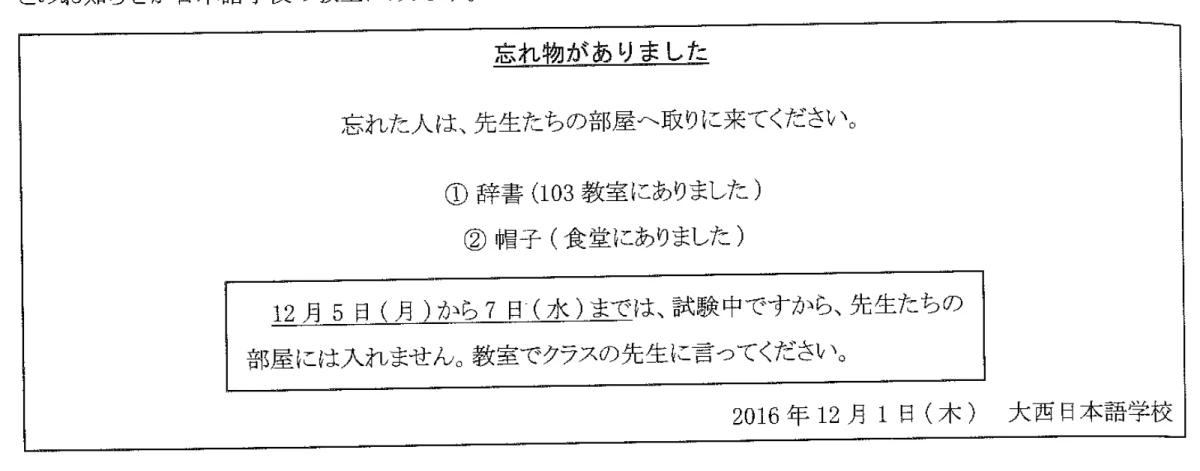
このお知らせが日本語学校の教室にあります。
忘れ物がありました
忘れた人は、先生たちの部屋へ取りに来てください。
① 辞書(103 教室にありました)
② 帽子(食堂にありました)
12月5日(月)から7日(水)までは、試験中ですから、先生たちの部屋には入れません。教室でクラスの先生に言ってください。
2016年12月1日(木) 大西日本語学校
-
23.試験中の日間に忘れ物を取りに行きたい人は、どうしなければなりませんか。
Show answer
Answer: 2. 教室で、自分のクラスの先生に話します。
Reading notices試験中ですから〜入れません states a ban during a period, then gives the replacement action
The notice says "12月5日(月)から7日(水)までは、試験中ですから、先生たちの部屋には入れません。教室でクラスの先生に言ってください。" This is exactly the exam period asked about in the question. Option 2 restates "教室でクラスの先生に言ってください" as talking to one's own class teacher in the classroom.
Remember
For notices, first find the date or condition, like 試験中, then follow the special instruction for that time. The correct answer often paraphrases the instruction, for example 言ってください restated as 話します.
Why not the others
Words
- 忘れ物(わすれもの)lost item, forgotten thing
- 試験中during the exams
- 教室classroom
- 食堂cafeteria, dining hall
アイスクリームは、夏に食べるととてもおいしいですが、私は寒い冬でも時々食べます。夏は毎日食べるので安いのしか買いませんが、冬は高いものを買います。暖かい部屋でいいアイスクリームを食べるのが、私の楽しみなのです。
-
24.私の楽しみは何ですか。
Show answer
Answer: 4. 冬に暖かい部屋で高いアイスクリームを食べること
私の楽しみfinding the writer's stated pleasure, answered by the final のです sentence
The last sentence settles it: "暖かい部屋でいいアイスクリームを食べるのが、私の楽しみなのです。" Option 4 restates this using information from earlier lines. "冬は高いものを買います" shows that "いいアイスクリーム" means an expensive one, and "寒い冬でも時々食べます" places this habit in winter.
Remember
For questions about the writer's pleasure or main point, check the last sentence, often ending with "のです" or "と思います". Expect paraphrase rather than the same words, here "いいアイスクリーム" restated as "高いアイスクリーム".
Why not the others
Words
- 時々sometimes
- 暖かいwarm
- 楽しみpleasure, enjoyment
- 部屋room
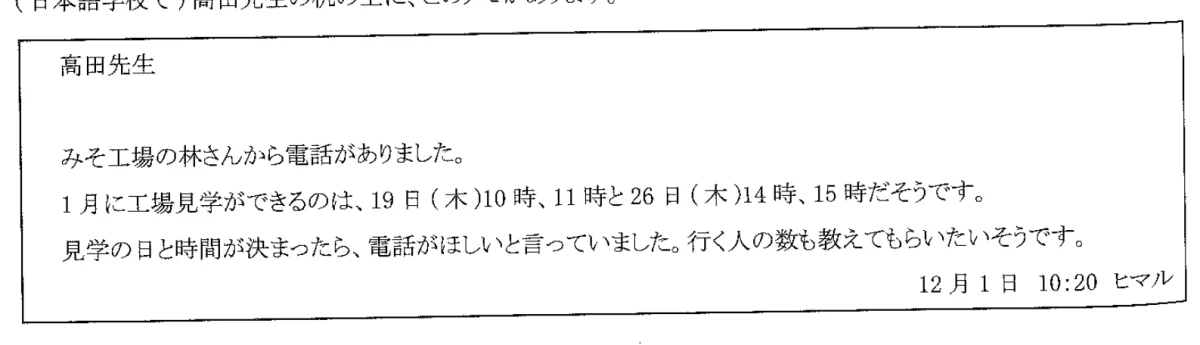
(日本語学校で)高田先生の机の上に、このメモがあります。
高田先生
みそ工場の林さんから電話がありました。
1月に工場見学ができるのは、19日(木)10時、11時と26日(木)14時、15時だそうです。
見学の日と時間が決まったら、電話がほしいと言っていました。行く人の数も教えてもらいたいそうです。
12月1日 10:20 ヒマル
-
25.このメモを読んで、高田先生は林さんに何を知らせなければなりませんか。
Show answer
Answer: 2. 工場見学に行く日と時間と、行く人の数
Memo detail question決まったら 'when decided' plus も 'also' shows two things to report
The memo settles it in two parts: "見学の日と時間が決まったら、電話がほしいと言っていました" and "行く人の数も教えてもらいたいそうです." The first part asks for the date and time, and も in the second part adds the number of people. Option 2 restates both items together.
Remember
For memo and notice questions, watch for も. It often signals that the answer must include two things, not just one. Correct answers usually paraphrase the passage instead of copying it word for word.
Why not the others
Words
- 工場factory
- 見学study visit, tour
- 決まるto be decided
- 数number
- 知らせるto inform, to tell
問題5内容理解(中文)
つぎの ぶんしょうを 読んで、しつもんに こたえて ください。こたえは、1・2・3・4から いちばん いい ものを 一つ えらんで ください。
これはケイティさんが書いた作文です。
東京駅で会った人
ケイティ ワン
先週、私は友達の家に遊びに行きました。行くときに、東京駅で電車を乗り換えなければならなかったのですが。東京駅は広すぎて、乗り換える電車の場所がわかりませんでした。それで、メモを持って駅の中を行ったり来たりしていました。
①「どうしよう。」と思って困っていたとき、山田さんという女の人が声をかけてくれました。山田さんは駅の中にある喫茶店でお茶を飲みながら、私が行ったり来たりしているのを見ていたそうです。「どうしたんですか。」と聞かれたので、「電車の場所がわからないんです。」と答えました。山田さんは私が乗る電車のところまで一緒に行ってくれました。
山田さんは仕事で東京に来ていて、今から京都に帰ると言いました。私は「時間は大丈夫ですか。」と聞きました。山田さんは「京都に行く新幹線はたくさんあるから、次のでも大丈夫です。私も、外国に住んでいたとき、いろいろな人に親切にしてもらいましたから。」と言いました。私は「本当にありがとうございます。」と②お礼を言いました。
電車に乗って、一人になった私は、山田さんの言葉を思い出して、心が温かくなりました。そして、私も山田さんみたいに( )と思いました。
-
26.なぜ①「どうしよう」と思いましたか。
Show answer
Answer: 4. 乗りたい電車の場所がわからないから
どうしよう'what should I do', the reason is 場所がわかりませんでした
The passage says "東京駅は広すぎて、乗り換える電車の場所がわかりませんでした。" Option 4 restates this as "乗りたい電車の場所がわからないから". The next sentence, "メモを持って駅の中を行ったり来たりしていました", shows she was stuck because of this.
Remember
For なぜ questions about a feeling like どうしよう, look at the sentence just before it. The correct answer usually paraphrases that cause instead of repeating exact words.
Why not the others
Words
- 乗り換える(のりかえる)to transfer trains
- 場所place
- 広すぎるtoo wide, too big
- 困るto be troubled
-
27.なぜ山田さんは「私」に声をかけましたか。
Show answer
Answer: 2. 「私」が行ったり来たりしているのを見たから
声をかける'to speak to someone', reason is 見ていたそうです
The passage says "私が行ったり来たりしているのを見ていたそうです。" It adds she watched while drinking tea, "喫茶店でお茶を飲みながら". Option 2 restates this watching as the reason she spoke.
Remember
For who did what and why, check the actor and the perception verb. A choice that adds an action not in the passage, like dropping or mistaking, is a common trap.
Why not the others
Words
- 声をかけるto call out to, to speak to
- 行ったり来たり(いったりきたり)going back and forth
- 喫茶店coffee shop
-
28.なぜ②お礼を言いましたか。
Show answer
Answer: 2. 山田さんが、帰りが遅くなるかもしれないのに、「私」を案内してくれたから
お礼を言う'to thank', thanks for 一緒に行ってくれました
The passage says "山田さんは私が乗る電車のところまで一緒に行ってくれました。" Yamada also said the next bullet train was fine, "次のでも大丈夫です", meaning she risked delay to guide Katie. Option 2 summarizes this kind guidance as the reason for thanks.
Remember
Check direction with くれました and もらいました, and who asks whom. Choices that swap speaker and listener or giver and receiver are frequent traps.
Why not the others
Words
- お礼(おれい)thanks, gratitude
- 新幹線bullet train
- 親切kind, kindness
-
29.( )に入れるのに、いちばんいい文はどれですか。
Show answer
Answer: 1. 困っている人に親切にしよう
山田さんみたいに'like Ms. Yamada', decision after 心が温かくなりました
The last lines say "山田さんの言葉を思い出して、心が温かくなりました。そして、私も山田さんみたいに" Option 1, "困っている人に親切にしよう", completes this by copying Yamada's kindness to a troubled person, which is what warmed Katie's heart.
Remember
The final blank after a feeling like 心が温かくなりました usually asks for the writer's decision. Look back at the kind act that caused the feeling, not at background details.
Why not the others
Words
- 温かいwarm
- 思い出す(おもいだす)to recall, to remember
- 親切にするto be kind to
問題6情報検索
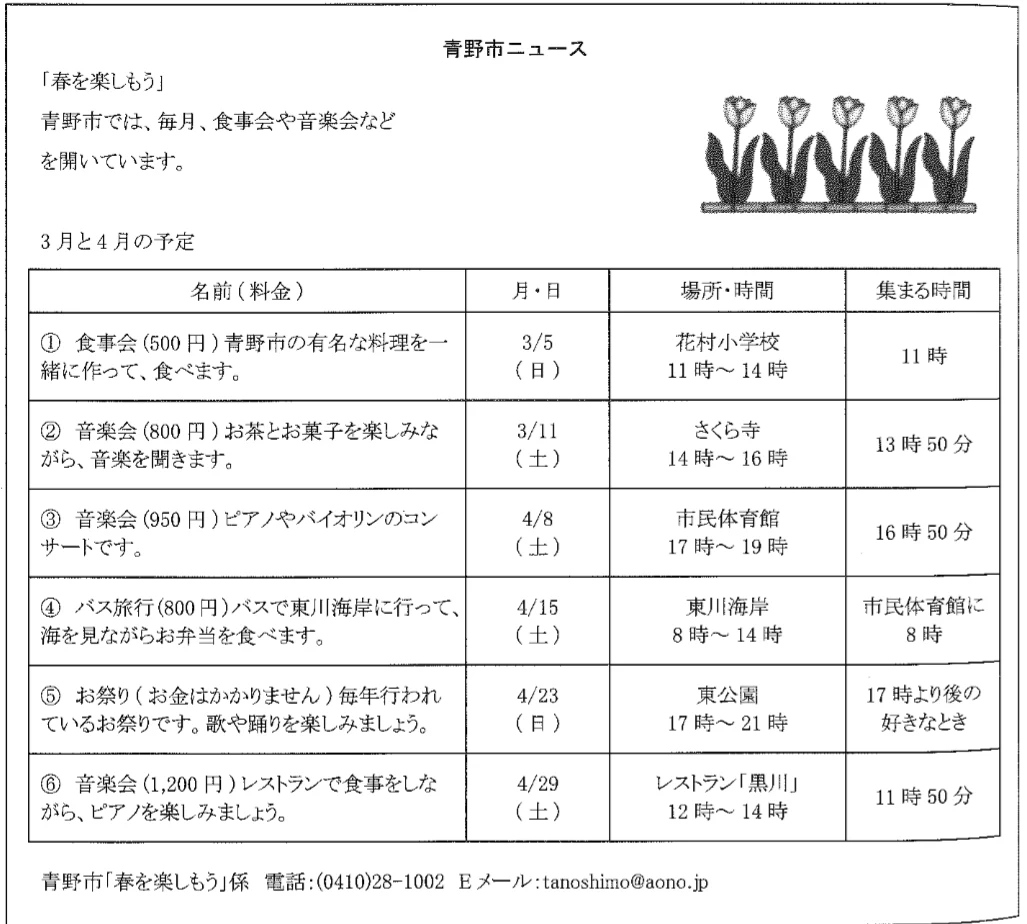
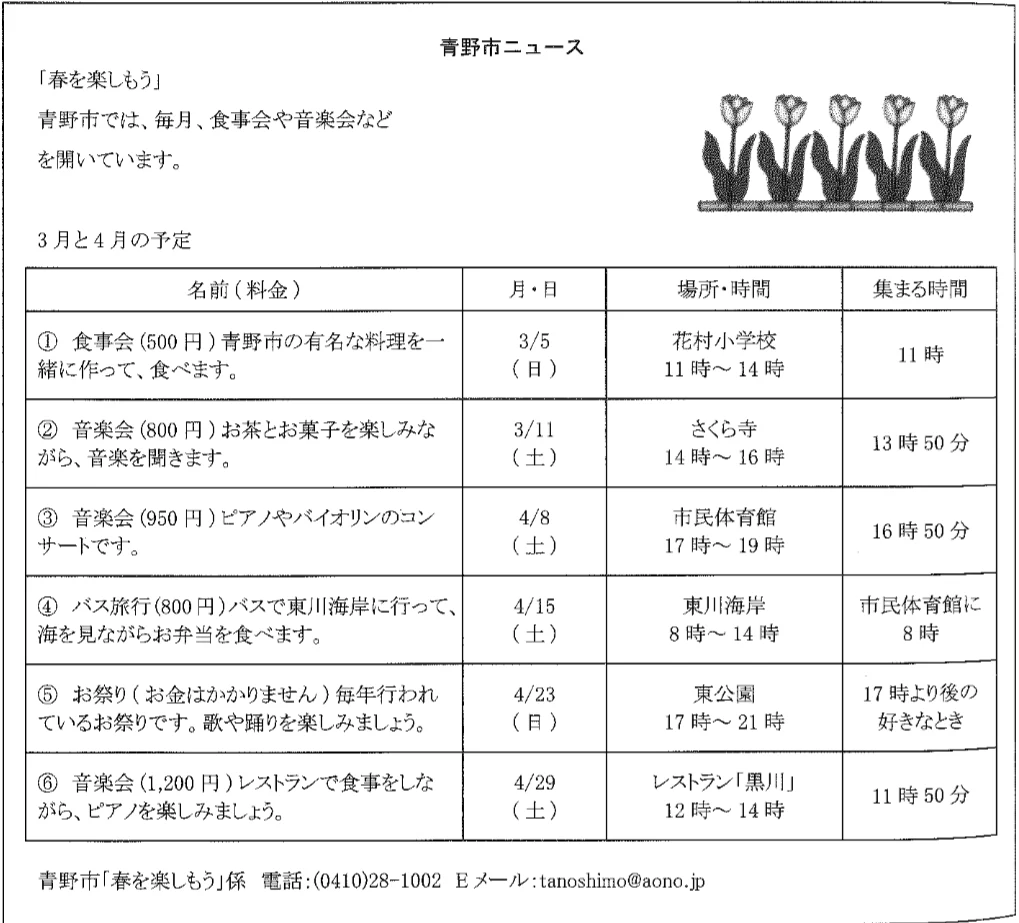
右の ページを 見て、下の しつもんに こたえて ください。こたえは、1・2・3・4から いちばん いい ものを 一つ えらんで ください。
-
30.ハメスさんとマリアさんは、「春を楽しもう」に行きたいと思っています。4月に行われるもので、お店の中で音楽を聞きながら、お昼に食事ができるものがいいです。ハメスさんたちが選べるのは、どれですか。
Show answer
Answer: 4. ⑥
条件でイベントを選ぶ'choose by month, place and activity', match all conditions
The entry for ⑥ settles it: "4/29(土)" shows April, "レストラン「黒川」 12時~14時" shows inside a shop at lunchtime, and "レストランで食事をしながら、ピアノを楽しみましょう" shows eating a meal while listening to piano. Only ⑥ restates all three wanted points: April, inside a shop, and lunch with music.
Remember
For condition questions, check every condition separately and drop a choice that breaks even one. Answers usually paraphrase, such as "お店の中で" for "レストラン" and "お昼に食事" for "12時~14時" and "食事をしながら".
Why not the others
Words
- お店(おみせ)shop, store
- お昼(おひる)noon, lunchtime
- 食事meal
- 選べるcan choose
-
31.ジーナさんは、「春を楽しもう」に行こうと思っています。土曜日に行きたいですが、集まる時間が13時より早いものには行けません。料金は1,000円以下がいいです。ジーナさんが選べるのは、どれですか。
Show answer
Answer: 1. 2 と 3
条件でイベントを選ぶ'choose by day, time and price', match all three
② qualifies because the passage says "3/11(土)", "13時50分" and "(800円)", which meets Saturday, gathering at or after 13:00, and 1,000 yen or less. ③ also qualifies because the passage says "4/8(土)", "16時50分" and "(950円)", which meets the same three conditions. No other Saturday entry meets both the time and price limits.
Remember
For "choose all that apply" lists, test each numbered event alone against every condition. A choice that adds just one extra wrong event is a common trap, so verify day, gathering time and price for each.
Why not the others
Words
- 土曜日Saturday
- 集まるto gather
- 料金fee, price
- 以下or less, below
- 選べるcan choose
Listening 38 min · 28 questions
問題1課題理解Task comprehension
もんだい1では、まず しつもんを 聞いて ください。それから 話を 聞いて、もんだいようしの 1から4の 中から、いちばん いい ものを 一つ えらんで ください。
-
1番
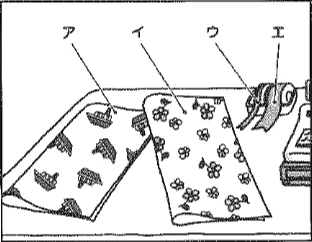
Show answer
Answer: 1. ア ウ
-
2番
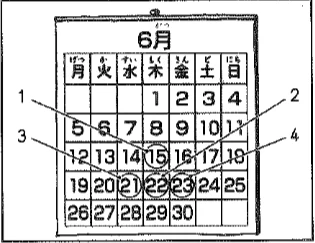
The choices are the numbered pictures above.
Show answer
Answer: 3.
-
3番
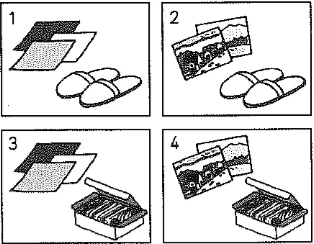
The choices are the numbered pictures above.
Show answer
Answer: 2.
-
4番
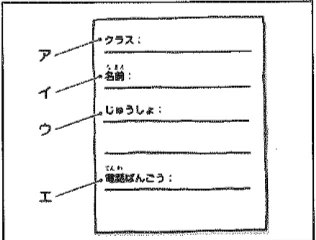
Show answer
Answer: 4. イウ
-
5番
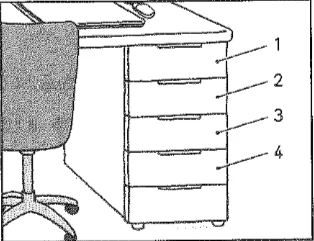
The choices are the numbered pictures above.
Show answer
Answer: 3.
-
6番
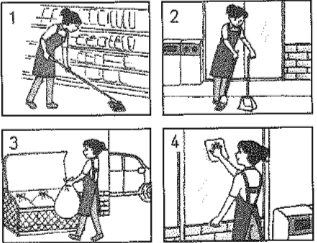
The choices are the numbered pictures above.
Show answer
Answer: 3.
-
7番
Show answer
Answer: 3. じむしょ
-
8番
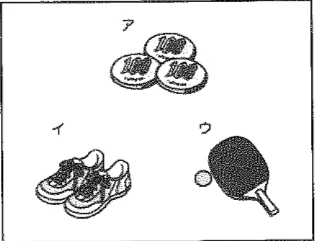
Show answer
Answer: 1. アイ
問題2ポイント理解Key-point comprehension
もんだい2では、まず しつもんを 聞いて ください。そのあと、もんだいようしを 見て ください。読む 時間が あります。それから 話を 聞いて、もんだいようしの 1から4の 中から、いちばん いい ものを 一つ えらんで ください。
-
1番
Show answer
Answer: 1. うみの ちかくで しょくじした
-
2番
Show answer
Answer: 2. アイスクリーム
-
3番
Show answer
Answer: 4. 山本さんが としょかんを 出たとき
-
4番
Show answer
Answer: 2. しまる 時間が おそく なる
-
5番
Show answer
Answer: 2. うって いる ものの しゅるいが 多いこと
-
6番
Show answer
Answer: 4. 5時半から 6時半まで
-
7番
Show answer
Answer: 3. ふねの 上で さくらが 見られるから
問題3発話表現Verbal expression
もんだい3では、えを 見ながら しつもんを 聞いて ください。やじるし(→)の 人は 何と 言いますか。1から3の 中から、いちばん いい ものを 一つ えらんで ください。
-
1番
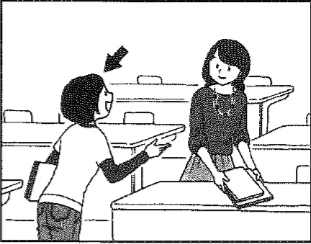
Show answer
Answer: 2. それはどこで買ったんですか。
-
2番
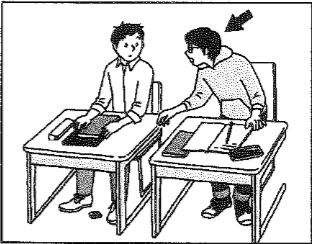
Show answer
Answer: 2. ごめん、消しゴムを拾ってくれる?
-
3番
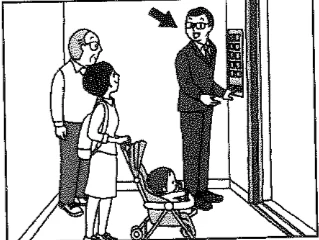
Show answer
Answer: 1. どうぞ、お先に。
-
4番
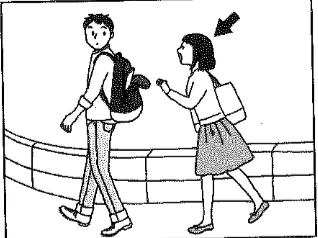
Show answer
Answer: 3. カバンが開いているよ。
-
5番
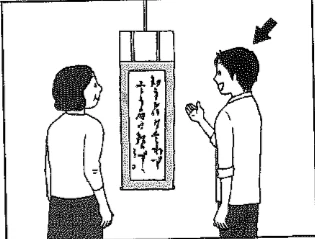
Show answer
Answer: 2. なんと書いてあるんですか。
問題4即時応答Quick response
もんだい4では、えなどが ありません。まず ぶんを 聞いて ください。それから、そのへんじを 聞いて、1から3の 中から、いちばん いい ものを 一つ えらんで ください。
-
1番
Show answer
Answer: 3. いいえ、どういたしまして。
-
2番
Show answer
Answer: 3. はい、なんですか。
-
3番
Show answer
Answer: 3. ううん、Tシャツはどう?
-
4番
Show answer
Answer: 1. じゃあ、ここに置いておきます。
-
5番
Show answer
Answer: 2. ううん、何でも聞いて。
-
6番
Show answer
Answer: 3. すっかりなおりました。
-
7番
Show answer
Answer: 2. 国に帰って、貿易の仕事をします。
-
8番
Show answer
Answer: 1. ええ、ないんですか。
Explanations are AI-generated and are sometimes not accurate. Spotted a mistake in a question or answer? Write to us at hello@practicejlpt.com and we’ll fix it.