
N3 Mock test 1
July 2018 paper
Set aside 2 hours 17 minutes
Three timed sections in one sitting. Once a section ends you can't go back to it. Have headphones ready for the listening.
- Vocabulary30 min · 35 questions
- Grammar · Reading70 min · 39 questions
- Listening37 min · 28 questions
Vocabulary 30 min · 35 questions
問題1漢字読み
_____のことばの読み方として最もよいものを、1・2・3・4から一つえらびなさい。
-
1.塩は台所にありました。
Show answer
Answer: 3. しお
塩 (しお)'salt', kun'yomi しお
塩は台所にありました。
The salt was in the kitchen.
The kanji 塩 means salt and is read しお, which is its kun'yomi. The clue 台所 means kitchen, so a cooking ingredient fits the context.
Remember
Remember 塩 as しお for salt, and エン in compounds like 食塩, table salt. Kitchen words like 油, 豆 and 米 appear as distractors, so check the kanji first.
Why not the others
Words
- 塩salt
- 台所kitchen
- あるto be, to exist
-
2.彼は犬に命令した。
Show answer
Answer: 4. めいれい
命令 (めいれい)'order, command', on'yomi めい + れい
彼は犬に命令した。
He gave a command to the dog.
命令 means order or command and uses two on'yomi readings, めい for 命 and れい for 令. Both syllables are long, so めいれい is the only reading that keeps the long えい sounds. The particle に shows the dog is receiving the order.
Remember
命 is メイ and 令 is レイ, both with long えい sounds. Many N3 pairs test long versus short vowels and い versus ん, so read each mora carefully.
Why not the others
Words
- 命令order, command
- 犬dog
- 彼he
-
3.手紙には恋しい人を思う気持ちが書かれていた。
Show answer
Answer: 1. こいしい
恋しい (こいしい)'beloved, missed', i-adjective
手紙には恋しい人を思う気持ちが書かれていた。
The letter described feelings of longing for a beloved person.
恋しい is an i-adjective read こいしい and means beloved or longed for. The clue 人を思う気持ち, feelings thinking of a person, points to love and longing, which matches 恋, love.
Remember
Remember 恋 as こい in 恋しい and レン in 恋愛, romantic love. Do not confuse 恋しい, longed for, with 懐かしい, nostalgic for the past.
Why not the others
Words
- 恋しいbeloved, missed
- 手紙letter
- 気持ちfeeling
-
4.機械が故障した。
Show answer
Answer: 2. きかい
機械 (きかい)'machine', on'yomi き + かい
機械が故障した。
The machine broke down.
機械 means machine and is read きかい, with on'yomi き for 機 and かい for 械. The clue 故障した, broke down, shows the subject is a machine. The first sound is unvoiced き, and the second syllable is long かい.
Remember
機 is キ as in 機会, opportunity, and 械 is カイ. When options differ only by voicing or by あ versus え, read each mora separately.
Why not the others
Words
- 機械machine
- 故障breakdown, malfunction
-
5.今月は休日が多かった。
Show answer
Answer: 2. きゅうじつ
休日 (きゅうじつ)'holiday, day off', on'yomi きゅう + じつ
今月は休日が多かった。
There were many holidays this month.
休日 means holiday or day off and is read きゅうじつ, with on'yomi きゅう for 休 and じつ for 日. The clue 今月は...多かった, there were many this month, points to days off on a calendar. In this compound 日 is read じつ, not にち.
Remember
Remember 休 as キュウ in 休日 and 休憩, rest, and 日 as ジツ in 休日 and 平日, weekday. 祝日 is the look alike word for national holidays.
Why not the others
Words
- 休日holiday, day off
- 今月this month
- 多いmany, numerous
-
6.この部分をよく見てください。
Show answer
Answer: 3. ぶぶん
部分'part, portion', both on'yomi, no long vowel
この部分をよく見てください。
Please look closely at this part.
The underlined word is 部分, meaning a part of something. Both kanji use on'yomi, 部 plus 分, and there is no long vowel. The clue is the compound itself: 分 is voiced to ぶん after 部 in this fixed word.
Remember
Remember 部 as in 全部 and 部分, and 分 here. Do not add a long vowel and do not leave the second part unvoiced.
Why not the others
Words
- 部分part, portion
-
7.池田さんは木村さんを疑っているようだ。
Show answer
Answer: 4. うたがって
疑う'to suspect, doubt', te-form 疑って
池田さんは木村さんを疑っているようだ。
It seems that Ikeda suspects Kimura.
The kanji 疑 reads うたが in the verb 疑う, meaning to suspect or doubt. The te-form keeps that stem, so 疑って is required. The particle を before the verb marks Kimura as the person being doubted, which points to suspect, not scold, fear or hate.
Remember
Learn 疑う as a set with 疑問, question or doubt. Do not confuse it with 叱る, 怖がる and 嫌う.
Why not the others
Words
- 疑うto suspect, to doubt
- ようだit seems that
-
8.中島さんは数学が得意らしい。
Show answer
Answer: 1. とくい
得意'good at', on'yomi とく + い, short と, unvoiced
中島さんは数学が得意らしい。
Apparently Nakashima is good at math.
The word is 得意, meaning to be good at something, with on'yomi 得 plus 意. The first syllable is short と and unvoiced. The clue が after 数学 marks the skill, so the predicate must be the good at word, not a long vowel or voiced version.
Remember
Remember the pair 得 as in 得点, score, and 意 as in 意味, meaning. The combination 得意 is always short と and unvoiced.
Why not the others
Words
- 得意good at, strong point
- 数学mathematics
- らしいapparently, it seems
問題2表記
_____のことばを漢字で書くとき、最もよいものを、1・2・3・4から一つえらびなさい。
-
9.毎日パソコンを使うので、目のつかれが取れません。
Show answer
Answer: 3. 疲れ
疲れ'fatigue, strain', kanji 疲 with sickness radical
毎日パソコンを使うので、目の疲れが取れません。
I use a computer every day, so my eye strain will not go away.
The underlined つかれ means tiredness of the eyes, which is written 疲れ. The clue 目の〜が取れません means a strain that will not go away, not pain or illness. The kanji 疲 combines the sickness radical 疒 with 皮 and means become tired.
Remember
Separate 疲 tired, 痛 painful, and 病 sick. All share 疒, but 疲 uses 皮, 痛 is about pain, and 病 is about disease.
Why not the others
Words
- 疲れfatigue, strain
- 取れるto go away, to come off
- 目eye
-
10.そんなになかないでください。
Show answer
Answer: 4. 泣かないで
泣く'to cry', water radical for tears, 泣かないで please do not
そんなに泣かないでください。
Please do not cry so much.
なかないでください is a negative request, so the verb must be 泣く to cry in the nai-form plus でください. The clue そんなに means to such an extent and points to crying. The kanji 泣 has the water radical 氵 for tears.
Remember
Separate 泣く for a person crying, 鳴く for an animal crying, and 涙 for the noun tears.
Why not the others
Words
- 泣くto cry
- そんなにso much, to that extent
-
11.この小説はストーリーがふくざつだ。
Show answer
Answer: 3. 複雑
複雑'complicated', na-adjective, 複 multiple plus 雑 mixed
この小説はストーリーが複雑だ。
The story of this novel is complicated.
ふくざつ describing ストーリーが〜だ is the na-adjective 複雑 meaning complicated. The first kanji 複 means multiple or compound, and the second kanji 雑 means mixed or rough. Together they describe a plot with many tangled parts.
Remember
Separate 複 multiple, as in 複数, from 復 repeat, as in 復習. The 雑 in 複雑 is also in 雑誌.
Why not the others
Words
- 複雑complicated, complex
- 小説novel
- ストーリーstory
-
12.飛んできたボールが背中にあたった。
Show answer
Answer: 3. 当たった
当たる'to hit, strike against', target marked with に
飛んできたボールが背中に当たった。
The ball that flew over hit me in the back.
あたった here means came into contact by flying, which is 当たる. The clue 背中に shows the target of contact with に, and the ta-form 当たった shows a completed hit. The kanji 当 carries the sense of hitting the mark.
Remember
Separate 当たる for something hitting a target, 打つ for actively striking, and ぶつかる[ぶつかる] for colliding with each other.
Why not the others
Words
- 当たるto hit, to strike against
- 背中back
- 飛ぶto fly
-
13.この交差点はうせつできません。
Show answer
Answer: 2. 右折
右折'right turn at an intersection', 右 right plus 折 bend
この交差点は右折できません。
You cannot turn right at this intersection.
At a 交差点, うせつ means a traffic turn and is written 右折. The reading う matches 右, and せつ matches 折 meaning bend or turn. The pattern 〜できません shows a prohibited action.
Remember
Remember the pair 右折 right turn and 左折 left turn. Traffic turns use 折, as in 折れる, not 曲.
Why not the others
Words
- 右折right turn
- 交差点intersection
- 折bend, turn
-
14.最近、父は仕事が忙しいらしく、きたくが遅い日が多い。
Show answer
Answer: 4. 帰宅
帰宅 (きたく)'coming home', 帰 'return' + 宅 'house, residence'
最近、父は仕事が忙しいらしく、帰宅が遅い日が多い。
Recently, my father seems busy with work, and there are many days when he comes home late.
きたく here means coming back home, decided by the clues 仕事が忙しいらしく and 遅い日が多い. The correct spelling is 帰宅, with 帰 meaning return and 宅 meaning house or residence. The other options replace one or both kanji with 着 meaning arrive and 室 meaning room.
Remember
Separate 帰 return from 着 arrive, and 宅 house from 室 room. Remember the set 帰宅, 帰国 return to one's country and 自宅 one's home against 到着 arrival and 教室 classroom.
Why not the others
Words
- 最近recently
- 忙しいbusy
- 帰宅returning home
- 遅いlate, slow
問題3文脈規定
( )に入れるのに最もよいものを、1・2・3・4から一つえらびなさい。
-
15.風や太陽の( )を利用して電気を作ることができる。
Show answer
Answer: 4. エネルギー
エネルギー'energy', used in のエネルギーを利用して to make electricity
風や太陽のエネルギーを利用して電気を作ることができる。
We can produce electricity by using the energy of wind and the sun.
The clue is 風や太陽の ( ) を利用して電気を作る. The blank must be something that wind and the sun supply and that can be turned into electricity. Only エネルギー means energy and fits this production pattern.
Remember
Remember the collocation のエネルギーを利用して for using natural power. Related N3 words are 太陽エネルギー and 省エネルギー.
Why not the others
Words
- 太陽sun
- 利用use, utilization
- 電気electricity
- エネルギーenergy
-
16.20年後、私たちはどんな生活をしているか( )してみた。
Show answer
Answer: 1. 想像
想像する'to imagine', for picturing a future situation not yet real
20年後、私たちはどんな生活をしているか想像してみた。
I tried imagining what kind of life we will be living 20 years from now.
The clue is 20年後 and どんな生活をしているか. The time is in the future and the content is unknown, so it can only be pictured in the mind. 想像してみた means tried to picture it, which matches てみた for a mental attempt.
Remember
Separate 想像 for picturing the unreal, 観察 for watching the real, 確認 for checking facts, and 期待 for hoping for good results.
Why not the others
Words
- 想像imagination
- 観察observation
- 期待expectation, hope
- 確認confirmation, check
-
17.友人と駅で( )から、一緒に食事に行くことにした。
Show answer
Answer: 3. 待ち合わせて
待ち合わせる'to arrange to meet', 駅で待ち合わせてから for meeting then acting
友人と駅で待ち合わせてから、一緒に食事に行くことにした。
After meeting up with my friend at the station, we decided to go for a meal together.
The clues are 友人と駅で and から, 一緒に食事に行く. The sentence describes meeting at a place first and then doing something together. 待ち合わせて means to meet at an agreed place and time, and てから shows the meal happened after that meeting.
Remember
Use 駅で待ち合わせる for meeting at a station. Keep 待ち合わせる for an arranged meeting apart from 知り合う for first meeting and 付き合う for dating.
Why not the others
Words
- 待ち合わせる(まちあわせる)to arrange to meet
- 知り合う(しりあう)to get acquainted
- 間に合わせる(まにあわせる)to make in time
- 付き合う(つきあう)to date, to associate with
-
18.講演会の会場はあまり大きくないので、参加できる人数は50人までという( )がある。
Show answer
Answer: 3. 制限
制限'limit, restriction', 50人までという制限がある for an upper cap
講演会の会場はあまり大きくないので、参加できる人数は50人までという制限がある。
The lecture venue is not very large, so there is a limit that no more than 50 people can take part.
The clues are 50人までという ( ) がある and あまり大きくないので. The phrase まで sets an upper number, and ので gives the reason for capping participants. Only 制限 means a limit on number or amount and fits という制限がある.
Remember
Contrast 制限 for limiting amount or number with 禁止 for banning completely. Spot the set ~までという制限がある for an upper limit.
Why not the others
Words
- 講演会lecture meeting
- 会場venue
- 制限limit, restriction
- 禁止prohibition
- 順番order, turn
-
19.森さんはおとなしい人だと思っていたが、( )積極的でよく話す。
Show answer
Answer: 1. 意外に
意外に'unexpectedly', after と思っていたが to show a gap with expectation
森さんはおとなしい人だと思っていたが、意外に積極的でよく話す。
I thought Ms. Mori was a quiet person, but she is surprisingly outgoing and talks a lot.
The clue is おとなしい人だと思っていたが. The が shows reality is different from the earlier thought. 意外に marks that something is different from expectation, so it connects the quiet image with 積極的でよく話す.
Remember
Spot the pattern と思っていたが、意外に for when the truth differs from the image. Keep 意外に for surprise apart from 急に for sudden change.
Why not the others
Words
- おとなしいquiet, gentle
- 積極的positive, outgoing
- 意外unexpected
-
20.リーさんは大きなスーパーを三つも( )しているらしい。
Show answer
Answer: 2. 経営
経営する'to run, manage a business', with a shop or company as object
リーさんは大きなスーパーを三つも経営しているらしい。
It seems Mr. Lee runs as many as three large supermarkets.
The clue is 大きなスーパーを三つも ...している. The verb must take a store as its object and mean to operate it. 経営する means to manage and operate a business such as a shop, company or factory, so 経営している gives that meaning.
Remember
Use 経営する + shop, company, factory for 'run a business'. Keep it apart from 商売 for commerce in general, 貿易 for trade between countries, and 会計 for accounting.
Why not the others
Words
- 経営management, running a business
- 商売business, trade
- 会計accounting, bill
- 貿易international trade
-
21.最近太ったから、ズボンが( )なった。
Show answer
Answer: 1. きつく
きつい'tight', clothes become きつくなる after gaining weight
最近太ったから、ズボンがきつくなった。
Because I gained weight recently, my pants have become tight.
The clue is 最近太ったから, 'because I gained weight'. The second clause describes the result for ズボン with ...なった. When the body gets bigger, clothes get tight, so the i-adjective きつい in its adverbial form きつく before なる is required.
Remember
For fit, pair きつい for tight with ゆるい for loose. Keep ぬるい for lukewarm liquids and まぶしい for bright light.
Why not the others
Words
- 太るto gain weight
- きついtight
- ゆるいloose
- ぬるいlukewarm
- まぶしいdazzling, glaring
-
22.大雨で、川の水が( )になっているから、近くに行かないほうがいい。
Show answer
Answer: 4. あふれそう
あふれる'to overflow', water as subject, often あふれそうになる
大雨で、川の水があふれそうになっているから、近くに行かないほうがいい。
Because of the heavy rain, the river water looks about to overflow, so you had better not go near it.
The clues are 大雨で and 川の水が ...になっている. The subject is water in a river after heavy rain. あふれる means for water to overflow its container, and あふれそうになっている expresses that it is on the verge of overflowing, which explains the warning not to go near.
Remember
Use あふれる when water overflows a river, bath or cup. Use おぼれる when a person drowns in that water. The subjects are different.
Why not the others
Words
- 大雨heavy rain
- あふれるto overflow
- 余るto be left over
- おぼれるto drown
- 逃げるto escape, run away
-
23.この牛乳は、バターやチーズを作るための( )として使われる。
Show answer
Answer: 2. 原料
原料'raw material, ingredient', used to make a product
この牛乳は、バターやチーズを作るための原料として使われる。
This milk is used as the raw material for making butter and cheese.
The clue is バターやチーズを作るための ...として使われる. The blank must name what milk is in relation to butter and cheese. 原料 means the material from which a manufactured product is made, so 原料として matches 作るため.
Remember
Use 原料 for the material that a product is made from, as in 原料として使われる. Keep it apart from 資源 for natural resources and 栄養 for nutrition.
Why not the others
Words
- 原料raw material, ingredient
- 資源resource
- 栄養nutrition
- 基礎foundation, basis
- 牛乳milk
-
24.子どもが迷子にならないように、子どもの手を( )握った。
Show answer
Answer: 2. しっかり
しっかり'firmly, tightly', with 握る, 持つ to prevent loss
子どもが迷子にならないように、子どもの手をしっかり握った。
So that my child would not get lost, I held my child's hand firmly.
The clues are 迷子にならないように and 手を握った. The purpose clause shows the parent wants to prevent separation. しっかり means firmly or securely, so しっかり握った expresses holding tightly to keep the child safe.
Remember
Learn these sound-symbolic adverbs as sets: しっかり for firm, はっきり for clear, ぐっすり for deep sleep, そっくり for looking alike. The verb after them decides.
Why not the others
Words
- 迷子lost child, getting lost
- 握るto grip, hold
- しっかりfirmly, securely
- はっきりclearly
- ぐっすりsoundly (sleep)
-
25.このジュースは新鮮なオレンジを( )作ったので、とてもおいしい。
Show answer
Answer: 3. しぼって
しぼる (絞る)'to squeeze juice from fruit', as in オレンジをしぼる
このジュースは新鮮なオレンジをしぼって作ったので、とてもおいしい。
This juice was made from freshly squeezed oranges, so it is very delicious.
The clue is 新鮮なオレンジを followed by 作った with the subject このジュースは. Juice is made by extracting liquid from fruit. しぼって is the te-form of しぼる, 'to squeeze', and オレンジをしぼる is the fixed collocation for this action. The te-form shows the method: 'made by squeezing'.
Remember
For drinks, remember the set phrase オレンジをしぼる, 'to squeeze an orange'. Keep apart: たたむ folds cloth, つかむ grabs with the hand, おす pushes a button or object.
Why not the others
Words
- 新鮮なfresh
- 絞るto squeeze, wring out
- 畳むto fold
- 掴むto grab, grasp
- 押すto push, press
問題4言い換え類義
_____に意味が最も近いものを、1・2・3・4から一つえらびなさい。
-
26.旅行中は団体で移動した。
Show answer
Answer: 2. グループで
団体 (だんたい)'group, party', same as グループ
旅行中は団体で移動した。
During the trip, we moved around as a group.
団体 means a number of people acting together as an organized group. The clue で移動した describes the manner of moving, who with, so グループで expresses the same manner.
Remember
団体 pairs with グループ. Watch for 団体旅行 'group trip' and 団体割引 'group discount' in N3 reading.
Why not the others
Words
- 旅行中during a trip
- 団体group, party
- 移動movement, going
-
27.ここではしゃべらないでください。
Show answer
Answer: 4. 話さないで
しゃべらないで'don't talk', casual equivalent of 話さないで
ここではしゃべらないでください。
Please do not talk here.
しゃべる means to talk or chat, the same action as 話す in daily conversation. The nai-form plus ないでください makes a request not to do it, so 話さないでください asks for the same behavior.
Remember
しゃべる equals 話す in casual speech. Keep 騒ぐ 'make noise' separate from しゃべる 'talk', since N3 often contrasts sound versus speech.
Why not the others
Words
- しゃべるto talk, to chat
-
28.今日は退屈だった。
Show answer
Answer: 2. つまらなかった
退屈 (たいくつ)'boredom, boring', same as つまらない
今日は退屈だった。
Today was boring.
退屈だった describes the day as uninteresting and the speaker as bored. つまらなかった carries the same judgment that there was nothing interesting, so the two are interchangeable here.
Remember
Pair 退屈 with つまらない 'boring'. Its opposite is 楽しい 'fun', a common N3 antonym set.
Why not the others
Words
- 退屈boredom; boring
-
29.このレストランは、多少うるさいが、料理はおいしい。
Show answer
Answer: 3. ちょっと
多少 (たしょう)'a little, somewhat', same as ちょっと
このレストランは、多少うるさいが、料理はおいしい。
This restaurant is a little noisy, but the food is delicious.
多少 expresses a small degree, 'somewhat'. The clue が concedes a minor fault before praising the food, so ちょっと 'a little' keeps that small degree.
Remember
多少 equals 少し and ちょっと for small degree. Do not mix degree words like とても with frequency words like いつも and ときどき.
Why not the others
Words
- 多少somewhat, a little
- うるさいnoisy
- 料理cooking, dish
-
30.子どもたちがこちらに駆けてきた。
Show answer
Answer: 1. 走ってきた
駆けてきた'came running', literary form of 走ってきた
子どもたちがこちらに駆けてきた。
The children came running over toward us.
駆ける means to run, used in writing or formal style instead of 走る. The te-form plus きた shows movement toward the speaker, so 走ってきた expresses the same action and direction.
Remember
駆ける is the literary synonym of 走る. With てくる versus ていく, check direction: てきた is toward the speaker, ていった is away.
Why not the others
Words
- 駆けるto run (literary)
- 登るto climb
- 集まるto gather
問題5用法
つぎのことばの使い方として最もよいものを、1・2・3・4から一つえらびなさい。
-
31.距離
Show answer
Answer: 1. 東京から京都までの距離は何キロメートルか調べてみた。
距離 (きょり)physical distance between places, with から, まで, 何キロ
東京から京都までの距離は何キロメートルか調べてみた。
I looked up how many kilometers the distance from Tokyo to Kyoto is.
距離 means the space or distance between two points, and it is measured in units like キロメートル or メートル. The clues 東京から京都まで and 何キロメートルか show a measurable interval between two cities, so 距離 is right.
Remember
Keep 距離 for map distance between A and B. For time intervals use 間隔, for numerical gaps use 差, for clothing length use 丈.
Why not the others
Words
- 距離distance
- 調べるto look up, investigate
- 短いshort
- 開かれるto be held
- 中学生junior high school student
-
32.活動
Show answer
Answer: 3. いろいろな国の文化を子どもたちに紹介する活動に参加した。
活動 (かつどう)organized activity or work, as in 活動に参加する
いろいろな国の文化を子どもたちに紹介する活動に参加した。
I took part in an activity that introduces children to the cultures of various countries.
活動 means organized work or a campaign done by a group, such as ボランティア活動 or 文化活動. The phrase 紹介する活動に参加した describes joining that kind of organized effort, so 活動 fits.
Remember
Use 活動 for group projects and movements: ボランティア活動, 文化活動, クラブ活動. Use 運行 for trains, 営業 for shops, 運動 for physical exercise.
Why not the others
Words
- 活動activity, organized work
- 列車train
- 紹介するto introduce
- 参加するto participate
- 腰lower back, hips
-
33.盛ん
Show answer
Answer: 4. 私の学校はスポーツが盛んで、みんないろいろなスポーツをしている。
盛ん (さかん)thriving and active, used as Nが盛んだ
私の学校はスポーツが盛んで、みんないろいろなスポーツをしている。
Sports are thriving at my school, and everyone plays various sports.
盛ん describes a field, industry, or activity flourishing in a place or group, in the pattern Nが盛んだ. The second clause, みんないろいろなスポーツをしている, shows sports are active across the school, so 盛ん fits.
Remember
盛ん is for groups and fields: スポーツが盛んだ, 議論が盛んだ, 盛んに行われる. For a hardworking person use 熱心 or 一生懸命.
Why not the others
Words
- 盛んflourishing, active
- 故障breakdown, malfunction
- 写真をとるto take photos
- 最近recently
- 学校school
-
34.区別
Show answer
Answer: 2. 意味のよく似ていることばを区別して覚えるのは難しい。
区別 (くべつ)するto tell apart similar things, AとBを区別する
意味のよく似ていることばを区別して覚えるのは難しい。
It is difficult to memorize words with very similar meanings while telling them apart.
区別する means to distinguish two or more similar things. The clue 意味のよく似ていることばを shows words that must be told apart before memorizing, so 区別して覚える is correct.
Remember
区別 is tell apart, 分ける and 別々 are separate into groups, わかる is recognize. If the sentence has only one person or place, 区別 usually fails.
Why not the others
Words
- 区別distinction, telling apart
- 同級生classmate
- 就職getting a job
- 覚えるto memorize
- 川river
-
35.追いつく
Show answer
Answer: 4. 妹より後に家が出たが、駅の近くで追いついた。
追いつく (おいつく)to catch up with someone ahead of you
妹より後に家が出たが、駅の近くで追いついた。
I left home later than my younger sister, but I caught up with her near the station.
追いつく means to catch up with a person or animal that is ahead and moving in the same direction. The clues 妹より後に家を出た and 駅の近くで show the speaker followed and reached the sister, so 追いついた is right.
Remember
Use 追いつく only for catching a moving person or level: 妹に追いつく, 記録に追いつく. Use 届く for reach, 間に合う for on time, 着く for arrival.
Why not the others
Words
- 追いつくto catch up with
- 棚shelf
- 渋滞traffic jam
- 会議meeting
- 登るto climb
Grammar · Reading 70 min · 39 questions
問題1文法形式の判断
つぎの文の( )に入れるのに最もよいものを、1・2・3・4から一つえらびなさい。
-
1.今年は夏休みに国へ帰りません。日本で夏休み( )過ごすのは今年が初めてです。
Show answer
Answer: 4. を
夏休みを過ごすを marks the object of transitive 過ごす, 'to spend time'
今年は夏休みに国へ帰りません。日本で夏休みを過ごすのは今年が初めてです。
I will not return to my home country for the summer holidays this year. This is the first time I have spent the summer holidays in Japan.
過ごす is a transitive verb meaning to spend time, so the time spent takes を, as in 夏休みを過ごす. The clue 日本で already marks the place of the action with で, so the blank cannot be a place marker. は in 過ごすのは then turns that whole object phrase into the topic.
Remember
Time spent takes を with 過ごす, as in 一日を過ごす, 冬休みを過ごす. Do not confuse this with に for a point in time or で for the place of action.
Why not the others
Words
- 夏休みsummer vacation
- 国country, home country
- 帰るto return
- 過ごすto spend time
- 初めてfor the first time
-
2.この美術館では、10年前から外国人旅行者( )チケットの割引サービスを行っている。
Show answer
Answer: 1. に対して
外国人旅行者に対してに対して means 'directed at, for', after a noun
この美術館では、10年前から外国人旅行者に対してチケットの割引サービスを行っている。
This museum has been offering a ticket discount service for foreign travelers for the past ten years.
The service is offered with foreign travelers as the recipient, which に対して marks. The clue 割引サービスを行っている shows an action directed toward that group, not a comparison or an addition.
Remember
Spot the contrast: に対して for the target of an action, に比べて for comparison, について for topic. Only に対して takes a person as the direction of a service.
Why not the others
Words
- 美術館art museum
- 外国人旅行者foreign traveler
- 割引discount
- サービス(さーびす)service
- 行うto carry out
-
3.今朝( )早起きをしてお弁当を作ったのに、持ってくるのを忘れてしまった。
Show answer
Answer: 2. せっかく
せっかく'having gone to the trouble', used when effort is wasted, often with のに
今朝せっかく早起きをしてお弁当を作ったのに、持ってくるのを忘れてしまった。
This morning I went to the trouble of getting up early and making a lunch box, but I forgot to bring it.
早起きをしてお弁当を作った describes effort, and のに marks a disappointing result contrary to expectation. せっかく highlights that wasted effort, which matches the regret in 忘れてしまった.
Remember
Learn the set phrase せっかく〜のに for disappointment after effort. けっして always needs a negative, while ぜったい asserts certainty.
Why not the others
Words
- せっかくwith trouble, specially
- 早起きgetting up early
- 弁当lunch box
- 持ってくるto bring
- 忘れるto forget
-
4.健康でいるためには、食事に( )、運動もしたほうがいいことはわかっているが、忙しくてなかなか運動する時間がとれない。
Show answer
Answer: 4. 気をつけるだけではなく
食事に気をつけるだけではなく'not only ~ but also', dictionary form + だけではなく, with も
健康でいるためには、食事に気をつけるだけではなく運動もしたほうがいいことはわかっているが、忙しくてなかなか運動する時間がとれない。
I know that to stay healthy I should not only watch my diet but also exercise, but I am busy and can hardly find time to exercise.
The second half has 運動もしたほうがいい, with も adding a second necessary action. だけではなく is the pattern that introduces the first item and predicts that も. The clue 食事に気をつける and 運動 are two actions in the same direction, staying healthy.
Remember
だけではなく always forecasts も later: AだけではなくBも. Spot that も to choose it over ことで for method and かどうか for choice.
Why not the others
Words
- 健康health
- 食事diet, meal
- 気をつけるto be careful, to watch
- 運動exercise
- なかなかhardly, not readily
-
5.A「ねえ、最近、娘がピアノを習いたいと言ってるから、( )と思ってるんだけど、4歳じゃまだ早いと思う?」 B「ううん、別に早くないと思うよ。習わせてみたらいいんじゃない?」
Show answer
Answer: 2. 習わせようか
習わせようかと思うvolitional + かと思う, 'wondering whether to', for consulting
ねえ、最近、娘がピアノを習いたいと言ってるから、習わせようかと思ってるんだけど、4歳じゃまだ早いと思う?
Hey, my daughter has been saying she wants to learn the piano lately, so I am thinking of letting her take lessons, but do you think 4 years old is still too early?
A is asking B for an opinion with んだけど and と思う, and B answers with advice 習わせてみたら. The volitional + か in 習わせようか expresses an undecided plan the speaker is consulting about. The causative 習わせる shows letting the daughter learn.
Remember
Use volitional + かと思う or か迷っている to consult about your own plan, つもりだ for a fixed decision, だろう for prediction. A reply with たらいい often signals the blank was a consultation.
Why not the others
Words
- 娘daughter
- 習うto learn, to take lessons
- 習わせるto let learn, to teach
- 早いearly
- 別にnot particularly
-
6.自分の会社をつくったと言うとよく驚かれるが、会社をつくることは必ずしも( )。
Show answer
Answer: 3. 難しいことではない
必ずしも~ない'not necessarily', 必ずしも must pair with a negative predicate
自分の会社をつくったと言うとよく驚かれるが、会社をつくることは必ずしも難しいことではない。
When I say I started my own company, people are often surprised, but starting a company is not necessarily difficult.
The deciding clue is 必ずしも. It means 'not necessarily' and the rule is that it must be followed by a negative predicate. Only option 3 ends in ではない to make the plain negative needed here, while option 1 is affirmative, option 4 is an affirmative statement of possibility even though it contains ない, and option 2 with はずがない expresses too strong a denial to fit the softening meaning of 必ずしも.
Remember
Remember 必ずしも with a negative like ない, ではない or とは限らない, and contrast it with きっと, 必ず or 絶対に with an affirmative. If you see 必ずしも, look rightward for ない.
Why not the others
Words
- 自分oneself
- 会社company
- 驚かれるto be surprised (passive)
- 必ずしもnot necessarily
-
7.(レストランで)客「ランチセットを一つお願いします。」 店員「AセットとBセットのどちらに( )か。」 客「あ、Aセットをお願いします。」
Show answer
Answer: 3. なさいます
なさいますhonorific (sonkeigo) of する, 'to do, to choose' for the customer
AセットとBセットのどちらになさいますか。
Which will you have, Set A or Set B?
The speaker is the 店員 talking to the 客, so the clerk must elevate the customer's action with honorific language. なさいます is the honorific form of する and どちらになさいますか is the fixed polite way to ask which item a customer will choose. The particle に also points to a decision verb like する, not to eating or existing.
Remember
For choices, use Nにします for your own decision and Nになさいます to ask a superior or customer. Keep honorific for the other person's action and humble language for your own action.
Why not the others
Words
- 客customer
- 店員shop clerk
- セットset meal
- どちらwhich (polite)
-
8.(会社で)田中「すみません、森さん。私、先週のセミナー、出張で出られなかったので、資料を( )。」 森「あ、いいですよ。これです。どうぞ。」
Show answer
Answer: 2. コピーさせていただけませんか
させていただけませんか'could you let me do', polite permission request with causative plus いただく
私、先週のセミナー、出張で出られなかったので、資料をコピーさせていただけませんか。
I could not attend last week's seminar because of a business trip, so could you please let me copy the materials?
田中 wants to copy the materials herself and asks 森 for permission, so she needs a humble request for permission. コピーさせていただけませんか combines the causative させる, 'let me do', with いただけませんか, 'could I receive', to ask politely. The reply あ、いいですよ。これです。どうぞ confirms that permission was requested and granted.
Remember
Use させていただけませんか when you want permission to do something yourself, and てくださいませんか when you want the other person to do it. The causative させる marks who will act.
Why not the others
Words
- 資料materials, documents
- 出張business trip
- セミナーseminar
- コピーするto copy
- 出られるcan attend (potential)
-
9.A「ねえ、『星の物語』って読んだことある?」 B「うん、3巻( )読んだよ。最新の4巻はまだ読んでないんだけど。」
Show answer
Answer: 3. までなら
までなら'if only up to', まで marks the endpoint and なら limits the claim to that range
うん、3巻までなら読んだよ。
Yeah, I have read up to volume 3.
The clue is the second sentence, 最新の4巻はまだ読んでないんだけど, which says volume 4 is not yet read. The first sentence must therefore limit the completed reading to volume 3. まで marks the endpoint 'up to 3' and なら adds the limit 'as far as that range', which matches the contrast with volume 4.
Remember
Use までなら to limit a positive claim to a completed range, often followed by a contrast like まだ~ない. Contrast まで, the endpoint itself, with から, the starting point.
Why not the others
Words
- 巻volume (counter for books)
- 最新newest, latest
- 読むto read
-
10.駅前にできた喫茶店はコーヒーが20種類以上あるそうだ。友達に( )と誘われたので、今度一緒に行くことにした。
Show answer
Answer: 1. 行ってみないか
行ってみないか'why not try going', てみる plus ないか makes an invitation
駅前にできた喫茶店はコーヒーが20種類以上あるそうだ。友達に行ってみないかと誘われたので、今度一緒に行くことにした。
I hear the new coffee shop in front of the station has more than 20 kinds of coffee. A friend invited me to try going there, so we decided to go together next time.
The deciding clues are と誘われた, which quotes the friend's invitation, and 今度一緒に行くことにした, which shows the speaker accepted and will go together. Only 行ってみないか is an invitation form, with てみる for 'try' and ないか for 'won't you'. The other options are advice, speculation or a direct order, not quoted invitations.
Remember
Spot と誘う or と誘われる to identify a quoted invitation, which is often ないか or ませんか. Contrast that with てみて, a request to try, and たらいい, advice meaning 'should'.
Why not the others
Words
- 喫茶店coffee shop
- 種類kind, type
- 以上more than
- 誘うto invite
- 今度next time
-
11.今日の夕方、聞きたいとこがあって営業部の南さんのところに行ったが、もう( )いなかった。
Show answer
Answer: 4. 帰ってしまっていて
〜てしまう + 〜ている'have already done and remain so', after te-form, often with もう
今日の夕方、聞きたいとこがあって営業部の南さんのところに行ったが、もう帰ってしまっていていなかった。
This evening I went to see Ms. Minami in the sales department because I had something I wanted to ask, but she had already gone home and was not there.
The clue is もう ... いなかった, which reports that she was already absent when the speaker arrived. 帰ってしまって shows the going home was already completed, and しまっていて + いなかった connects that completed result to the absence. The ている part expresses the resulting state, she was in the state of having left, not an action in progress.
Remember
Spot もう + te-form + しまう for 'already, completely'. Add ている to stress the result still holds at that past moment: もう帰ってしまっている meant she was already gone.
Why not the others
Words
- 夕方evening
- 営業部sales department
- ところplace, someone's office or desk
- 帰るto go home
-
12.(公園で)山下「この木は本当に大きいですね。」 林「そうですね。ここまで( )20年ぐらいかかったそうですよ。」
Show answer
Answer: 1. 大きくなるのに
〜のに'in order to, for', after dictionary form, used with time or cost + かかる
そうですね。ここまで大きくなるのに20年ぐらいかかったそうですよ。
Yes. I heard it took about 20 years for it to grow this big.
The clue is 20年ぐらいかかった, which states the time required. かかる with a time period uses the pattern dictionary form + のに + time + かかる to say what the time was needed for. 大きくなる uses the ku form of the i-adjective + なる for a spontaneous change in size, which fits a tree growing.
Remember
With かかる, use dictionary form + のに + time to say what time was needed for. Keep なる for natural change, like 大きくなる, apart from する or できる for someone doing or being able to do something.
Why not the others
Words
- 木tree
- ここまでto this size, up to here
- かかるto take (time, money)
- ぐらいabout, approximately
-
13.医者「この薬を、3日間、1日3回飲んでください。」 患者「わかりました。痛みがないときも、( )。」 医者「はい。必ず飲んでください。」
Show answer
Answer: 2. 飲まないといけないでしょうか
〜ないといけない'must do', after nai-form, with か to confirm an obligation
わかりました。痛みがないときも、飲まないといけないでしょうか。
I see. Even when I have no pain, do I still have to take it?
The clue is 痛みがないときも, 'even when there is no pain', plus the doctor's reply はい。必ず飲んでください. The patient is checking whether the obligation to take the medicine 3 times a day still holds. 飲まないといけないでしょうか asks 'must I take it?' and invites the doctor's yes.
Remember
Separate obligation from permission not to do: ないといけない means 'must do', なければいい means 'it is fine if I do not', and ないほうがいい means 'better not to'. In the exam, the doctor's 必ず signals obligation.
Why not the others
Words
- 薬medicine
- 痛みpain
- 必ずwithout fail, always
- 飲むto take medicine, to drink
問題2文の組み立て
つぎの文の ★ に入る最もよいものを、1・2・3・4から一つえらびなさい。
-
14.私 _____ _____ ★ _____ なのは、家族の幸せだ。
Show answer
Answer: 1. で
にとって'for', after a noun, in 私にとって人生でいちばん大切なのは
私にとって人生でいちばん大切なのは、家族の幸せだ。
What is most important to me in life is my family's happiness.
The start 私 fixes the chunk 私にとって, which means for me. The end なのは fixes the chunk いちばん大切なのは, which is the predicate. Between them, 人生 needs で to mean in life, so the order is 私にとって + 人生で + いちばん大切 + なのは.
Remember
Spot にとって right after a person or thing, and spot なのはだ to find the emphasized predicate. The location or range before it often takes で, as in 人生で.
Why not the others
Words
- 人生life
- 大切important, precious
- 幸せhappiness
-
15.この映画は昔から大好きで今まで _____ _____ ★ _____ 感動して泣いてしまう。
Show answer
Answer: 4. 何度
何度見ても'no matter how many times one watches', 何度 + te-form + も
この映画は昔から大好きで今まで何度も見たけれど何度見ても感動して泣いてしまう。
I have loved this movie for a long time and have seen it many times, but no matter how many times I watch it, I am moved to tears.
The verb before 感動して must be 見ても, giving even if I watch. That 見ても needs 何度 before it to make the chunk 何度見ても, no matter how many times I watch. The time word 今まで and けれど fix the earlier chunk 何度も見たけれど, I have watched many times but.
Remember
Do not mix 何度も + verb, many times, with 何度 + te-form + も, no matter how many times. The second pattern always needs te-form plus も.
Why not the others
Words
- 映画movie
- 昔からsince long ago
- 何度how many times
- 感動being moved
- 泣くto cry
-
16.新しい家は、駅に近くて便利なのだが、窓が _____ _____ ★ _____ 聞こえてきて、うるさいと感じることがある。
Show answer
Answer: 3. せいで
せいで'because of' for a bad result, after the plain form
新しい家は、駅に近くて便利なのだが、窓が大通り側にあるせいで車の音が聞こえてきて、うるさいと感じることがある。
The new house is close to the station and convenient, but because the windows are on the main street side, car noise comes in and I sometimes find it noisy.
The subject 窓が needs the location 大通り側にある, the windows are on the main street side. That plain form ある then joins せいで to give the negative cause. The result clause needs its own subject 車の音が before 聞こえてきて, so せいで sits in ★ between ある and 車の音が.
Remember
Use せいで after a plain form when the result is bad or annoying. For a good result, use おかげで. Both connect a cause clause to a result clause.
Why not the others
Words
- 便利convenient
- 窓window
- 大通りmain street
- 車の音(くるまのおと)sound of cars
- うるさいnoisy
-
17.林さんの奥さんは料理がとても上手で、ハンバーグが特においしいらしい。林さんは奥さんの _____ _____ ★ _____ ものはないとよく言っている。
Show answer
Answer: 2. ほど
ほど~ない'nothing is as ~ as', noun + ほど + adjective + ものはない
林さんは奥さんの作るハンバーグほどおいしいものはないとよく言っている。
Mr. Hayashi often says that nothing is as delicious as the hamburgers his wife makes.
The start 奥さんの needs a noun modified by a relative clause, which is 作るハンバーグ, the hamburgers she makes. The end ものはない needs an adjective before it, which is おいしい. The comparison frame is ハンバーグほどおいしいものはない, so ほど sits in ★ between the noun and the adjective.
Remember
For the top comparison, remember the chunk noun + ほど + adjective + ものはない. The noun is often expanded by a relative clause, as in 作るハンバーグほど.
Why not the others
Words
- 奥さんwife
- 料理cooking
- 上手skillful
- 特にespecially
- ハンバーグhamburger steak
-
18._____ _____ ★ _____ のことを思い出す。
Show answer
Answer: 2. 妻との初めてのデートで
たび'every time', after the dictionary form, with ときのことを思い出す
このレストランで食事をするたび妻との初めてのデートで来たときのことを思い出す。
Every time I eat at this restaurant, I remember the time I came here on my first date with my wife.
The start このレストランで sets the place for 食事をするたび, every time I eat. The end のことを思い出す needs とき before it, giving 来たときのこと, the time I came. Between them, 妻との初めてのデートで shows the occasion of that visit, so it sits in ★ before 来たとき.
Remember
Use dictionary form + たび for every time something happens. For recalling an occasion, use ときのことを思い出す, with とき modified by a past clause.
Why not the others
Words
- 食事meal, eating
- 妻wife
- 初めてfirst time
- 思い出す(おもいだす)to recall
問題3文章の文法
つぎの文章を読んで、文章全体の内容を考えて、( 19 )から( 23 )の中に入る最もよいものを、1・2・3・4から一つえらびなさい。
以下は、留学生の作文である。
箸
ハーバート マーテイン
私は箸を使うのが苦手でした。大好きなラーメンもフォークで食べていました。でも、日本のラーメン屋には箸( 19 )ないことが多く、食べるのが大変でした。
日本に来て2か月ぐらいだったころ、箸の専門店を見つけました。店に入ると、長さや太さ、材料や色の違う箸が何百種類もありました。その数に驚いていたら、店の人に、「どれでも自由に持ってみてください。」と言われました。( 20 )、いくつか実際に持ってみました。その中に持ちやすい箸がありました。
それまで、箸を使うのはめんどうくさいと思っていましたが、そのときは、「これで練習したら、箸が上手に使えるようになるかもしれない」と思いました。私はその箸を買って帰りました。
それから毎日、家でその箸を( 21 )。
1か月ぐらいたって慣れたところ、ラーメンを食べに行きました。すると、( 22 )箸も楽に使えるようになっていました。
私はずっと、箸をうまく使うことはあきらめていました。うまく使えるようになったのは、専門店で買った( 23 )。今では前よりもラーメン屋に行くのが楽しみになりました。
-
19.( 19 )に入るのに最もよいものはどれか。
Show answer
Answer: 2. しか
しか'only, nothing but', must be followed by a negative verb
でも、日本のラーメン屋には箸しかないことが多く、食べるのが大変でした。
But Japanese ramen shops often had only chopsticks, so eating was a struggle.
The verb after the blank is ない, a negative. しか pairs with a negative verb to mean only. The clue 食べるのが大変でした shows there was no fork, so the meaning must be there were nothing but chopsticks.
Remember
If the sentence ends with ない, なかった or ません, choose しか for only. だけ goes with an affirmative verb.
Why not the others
Words
- 箸chopsticks
- ラーメン屋(ラーメンや)ramen shop
- 大変hard, tough
-
20.( 20 )に入るのに最もよいものはどれか。
Show answer
Answer: 4. そこで
そこで'then, so', moves the story to the next action
そこで、いくつか実際に持ってみました。
So I actually picked up and tried a few of them.
The previous sentence is the shop clerk saying どれでも自由に持ってみてください. The next sentence is the writer acting on that invitation. そこで connects an invitation or situation to the next action in a story.
Remember
Spot the flow: そこで for the next step, ところが for an unexpected turn, 一方で for a contrast between two things.
Why not the others
Words
- 自由にfreely
- 実際にactually, in fact
-
21.( 21 )に入るのに最もよいものはどれか。
Show answer
Answer: 1. 使うようにしました
〜ようにする'make sure to do', a new habit or deliberate effort
それから毎日、家でその箸を使うようにしました。
After that, I made sure to use those chopsticks at home every day.
He bought easy to hold chopsticks in order to practice. The time word 毎日 and the next sentence 慣れたところ show repeated practice. 使うようにしました expresses a decision to keep doing something as a habit.
Remember
ようにする with する means a deliberate habit, I will do. ようになる with なる means a change or new ability, I became able to.
Why not the others
Words
- 毎日every day
- 慣れるto get used to
-
22.( 22 )に入るのに最もよいものはどれか。
Show answer
Answer: 4. ラーメン屋の
ラーメン屋の箸'the ramen shop's chopsticks', tracking whose item it is
すると、ラーメン屋の箸も楽に使えるようになっていました。
Then I found I could use even the ramen shop's chopsticks with ease.
He practiced at home with その箸, then ラーメンを食べに行きました. The particle も means even, showing his skill spread to different chopsticks. The clue is the change of place from home to the shop, so it must be the shop's chopsticks.
Remember
When the place changes, check the owner. この often means my own thing, while a noun plus の like ラーメン屋の shows a different owner.
Why not the others
Words
- 楽にeasily, comfortably
- 使えるようになるto become able to use
-
23.( 23 )に入るのに最もよいものはどれか。
Show answer
Answer: 3. 箸のおかげです
〜のおかげです'thanks to ~', gives credit for a good result
うまく使えるようになったのは、専門店で買った箸のおかげです。
The reason I became able to use chopsticks well is thanks to the chopsticks I bought at the specialty shop.
The writer had given up on chopsticks, but now he can use them and going to ramen shops is more fun. That is a positive result. おかげです is used to thank the cause of a good result, and the のは sentence explains the reason.
Remember
Use おかげです for a good cause and せいで for a bad cause. Both give a reason, the feeling decides which one.
Why not the others
Words
- あきらめるto give up
- おかげthanks to, owing to
- 楽しみenjoyment, something to look forward to
問題4内容理解(短文)
つぎの文章を読んで、質問に答えなさい。答えは、1・2・3・4から最もよいものを一つえらびなさい。
これはカレンさんが田中先生に書いた手紙である。
田中先生
ごぶさたしております。お元気ですか。
帰国してから、もう半年が過ぎましたが、日本語クラスで勉強していたころのことを、いつもなつかしく思い出しています。
7月から大学が休みになるので、2週間くらい、姉と日本を旅行します。京都や広島を回る予定ですが、13日から15日の間は東京にいます。東京にいる間に大学に伺って、ぜひ先生にお目にかかりたいと思っています。もしご都合のいい日がありましたら、メールでお返事をいただけないでしょうか。
よろしくお願いいたします。
4月10日
カレン・コルベイ
Karen_beil@xxmail.com
-
24.カレンさんが田中先生に最も聞きたいことは何か。
Show answer
Answer: 3. 7月13日から15日の間で、田中先生と会える日があるかどうか
Reading request lettersfind the specific ask, here ご都合のいい日がありましたら
Karen fixes the time and place with "13日から15日の間は東京にいます" and "東京にいる間に大学に伺って、ぜひ先生にお目にかかりたいと思っています". She then makes the request with "もしご都合のいい日がありましたら、メールでお返事をいただけないでしょうか". Option 3 restates exactly that ask: whether there is a day to meet between the 13th and 15th.
Remember
In N3 letters the real request is in the final lines, often with いただけないでしょうか. Match both the time range and the place in the choice, choices that widen the range or swap the place are common traps.
Why not the others
Words
- 懐かしいnostalgic, dearly missed
- 伺うto visit (humble)
- お目にかかる(おめにかかる)to meet (humble)
- 都合convenience, availability
私にとって、部屋が片付いていないことほどストレスのたまることはない。でも、夫も子供も「片付けられない人」で、服は脱いだまま、おもちゃは出したままで全く平気だ。文句を言うと、入れる場所が少なすぎるとか、すぐ使うからとか、いろいろなことを言う。片付けは片付けが得意な人がやればいいと言われた時は、本当に嫌になった。使い終わったら、それをあった所に戻すだけでいいのに、なぜこんな簡単なことができないのだろう。
-
25.「私」は、自分の家が片付いていない状態になるのは、なぜだと考えているか。
Show answer
Answer: 4. 夫と子供が、物を使った後で初めにあった場所に戻さないから
Reason questionthe writer's own view of the cause, not the family's excuses
The deciding line is the last sentence: '使い終わったら、それをあった所に戻すだけでいいのに、なぜこんな簡単なことができないのだろう。' It shows the writer thinks the mess comes from not returning things after use. Option 4 restates this as '物を使った後で初めにあった場所に戻さない'.
Remember
On reason questions, separate other people's excuses from the writer's judgment. The writer's real view often comes at the end with patterns like 'のに', 'のだろう' or 'と思う'.
Why not the others
Words
- 片付くto be tidied up
- 文句complaint
- 脱ぐto take off clothes
- 戻すto return something
- ストレスがたまるto build up stress
キャッシュカードなどを作る時に必要な暗証番号を決めるのは意外に難しい。電話番号などの自分に関係のある数字を使えば忘れにくいが、人に知られる危険がある。でも、自分に関係のない数字や、不規則に並んだ数字にすると忘れやすい。では、自分に関係のある数字に単純な数字を足すのはどうだろうか。例えば、誕生日の数字「1025」に「1111」を足した「2136」を暗証番号にするのだ。これなら、他人にはわかりにくく、自分には思い出しやすくてよいだろう。
-
26.この文章を書いた人は、どのように暗証番号を決めるのがよいと言っているか。
Show answer
Answer: 2. 自分に関係のある数字に単純な数字を足す。
Author's proposal自分に関係のある数字に単純な数字を足す, 'add a simple number to a personal number'
The passage proposes "では、自分に関係のある数字に単純な数字を足すのはどうだろうか。" with the example "誕生日の数字「1025」に「1111」を足した「2136」を暗証番号にするのだ。" Option 2 restates that proposal. The final judgment "これなら、他人にはわかりにくく、自分には思い出しやすくてよいだろう。" confirms it is the recommended method.
Remember
Look for the writer's judgment near the end, often with これなら, よいだろう or どうだろうか. Correct answers paraphrase that judgment, while wrong options reuse the same passage words in a different combination.
Why not the others
Words
- 暗証番号PIN code
- 意外にsurprisingly
- 不規則irregular
- 足すto add
- 誕生日birthday
これは野村課長が、同じ会社の内田さんに書いたメールである。
内田さん
今、池原駅に向かう電車の中にいます。信号故障の影響で、電車が止まってしまいました。車内アナウンスによると、動きだすまで30分くらいかかるそうです。
オオタ工業を訪問する前に、駅前の喫茶店で最終確認をする約束でしたが、その時間はなさそうです。私は駅から直接向かうので、先にオオタ工業に行って、入口前で待っていてください。もし時間があれば、そこで簡単に最終確認をしましょう。
訪問する時間に間に合わない場合は、また連絡します。
よろしくお願いします。
野村
-
27.野村課長がこのメールで伝えたいこととして、合っているのはどれか。
Show answer
Answer: 2. 待ち合わせる所を、駅前の喫茶店からオオタ工業の入口前に変えること
Reading a change of planmeeting moves from 駅前の喫茶店 to 入口前 because of delay
The mail cancels the old plan with 「駅前の喫茶店で最終確認をする約束でしたが、その時間はなさそうです」 and then gives a new instruction with 「先にオオタ工業に行って、入口前で待っていてください」. Option 2 restates exactly that change, from the cafe in front of the station to in front of the entrance of Oota Kogyo.
Remember
In plan-change messages, separate the cancelled plan, the new request, and the if-condition. 「もし〜」 and 「〜場合は」 often point to different situations, so check what condition goes with what action.
Why not the others
Words
- 信号故障signal failure
- 車内アナウンス(しゃないアナウンス)in-train announcement
- 最終確認final check
- 入口entrance
- 訪問visit
問題5内容理解(中文)
つぎの文章を読んで、質問に答えなさい。答えは、1・2・3・4から最もよいものを一つえらびなさい。
秋になり、文房具屋に来年の手帳が並ぶようになった。一般的に、手帳を選ぶ場合に重要なのは、書きやすさ、見やすさだろう。大きさも大切な点だ。だが、私がいちばん大切にしているのは、表紙だ。絵や柄で選ぶ人もいるが、私は色で選ぶ。
いつも手帳を持ち歩く私は、手帳の色に影響を受けていると感じることがある。予定を書いたり、友達と会う場所を確認したりするため、一日に何度もかばんから取り出すが、そのたびに表紙の色が目に入るからだ。それで、この数年は元気が出るように派手な表紙のものを選んできた。今使っているのも、明るいオレンジ色だ。考えてみると、手帳は家族や親友より、一緒にいる時間も長いのだ。
でも、今年は手帳選びに時間がかかっている。30歳になり、もっと落ち着いた気持ちで仕事をしたいと思うようになってきたのだ。そうは言っても、ストレスのたまる仕事なので、やはりこのまま元気の出る赤や黄か、気分の落ち着く黒や茶か、なかなか決められないでいる。
-
28.「私」が手帳を選ぶときに最も大切だと感じているのは何か。
Show answer
Answer: 4. 表紙の色
表紙の色'cover color', 私がいちばん大切にしているのは表紙だ
The passage settles this with "だが、私がいちばん大切にしているのは、表紙だ。絵や柄で選ぶ人もいるが、私は色で選ぶ。" The word だが marks a contrast with general opinion, and the second sentence narrows 表紙 down to 色. Option 4 restates "私は色で選ぶ" as 表紙の色.
Remember
Watch for 一般的に versus 私は. After 一般的に, だが or が often introduces the writer's different opinion, and that contrast is where the answer is.
Why not the others
Words
- 表紙cover
- 柄pattern, design
- 大切にするto value, to treat as important
-
29.「私」にとって、手帳はどのようなものか。
Show answer
Answer: 2. いつも身近にあって、自分の気持ちに影響を与えるもの
影響を受ける'be influenced by', paraphrased as 気持ちに影響を与える
The key lines are "いつも手帳を持ち歩く私は、手帳の色に影響を受けていると感じることがある" and "そのたびに表紙の色が目に入るからだ". They show frequent contact and effect on feeling. Option 2 restates this as always close by and influencing 気持ち.
Remember
Correct answers usually paraphrase the passage instead of copying it. A choice that reuses passage words like 家族や親友 but changes the relation, here time together into order of importance, is a common trap.
Why not the others
Words
- 持ち歩く(もちあるく)to carry around
- 影響influence, effect
- 取り出す(とりだす)to take out
- 派手flashy, bright
-
30.今年は手帳選びに時間がかかっているのはなぜか。
Show answer
Answer: 2. 仕事に対する気持ちが少し変わってきたから
落ち着いた気持ちで仕事をしたい'want to work with calm feelings'
The reason is given in "30歳になり、もっと落ち着いた気持ちで仕事をしたいと思うようになってきたのだ。" The next sentence shows the conflict: "やはりこのまま元気の出る赤や黄か、気分の落ち着く黒や茶か、なかなか決められない". Option 2 paraphrases the change in feeling about work.
Remember
For なぜ questions, find the sentence with のだ, のです or から near the underlined part. It often states the reason directly, while surrounding sentences give background.
Why not the others
Words
- 落ち着いた(おちついた)calm, settled
- ストレスのたまるstressful, stress-building
- なかなかquite, not easily
「負けないで。君は一人じゃない。」
今朝、車で駅に向かっている時、赤信号で止まっていると、ラジオから懐かしい曲が流れてきました。ずっと聞いていなかった曲です。隣に座る高校生の娘に「これ、お母さんの若いころの応援歌だったのよ。」と言ってしばらく聞いていると、涙が出そうになって困りました。①「お母さん、青。」という娘の声で、慌ててアクセルを踏んだのですが、娘に笑われてしまいました。
20代の初め、会社に勤め始めてすぐのころの私は、毎日失敗ばかりして泣いていました。よくしかられ、人間関係にも悩んでいました。そんな時、いつも②この曲を聞いていたのです。「負けないで。君は一人じゃない。」という言葉に慰められ、この曲を聞くと、頑張ろうという気持ちになりました。
あれからもう20年です。泣きたくなるような苦しいことも、いつのまにかなくなりました。③今はきっと幸せなのだと思います。今日、本当に久しぶりにこの曲を聞いたのですから。
-
31.娘が①「お母さん、青。」と言ったのは、なぜか。
Show answer
Answer: 4. 信号が変わったことに「私」が気づいていなかったから
Reason from sequence青 means green light, 慌てて shows action after the call
The passage says 赤信号で止まっていると, so the car stopped at red, then says 「お母さん、青。」という娘の声で、慌ててアクセルを踏んだ. The word で shows the voice came first and the pressing of the accelerator came after. Option 4 restates this: the light had changed to green and the mother had not noticed because she was listening.
Remember
For "why did X say Y" questions, look at the sentence just before Y and check time order. A choice that reverses before and after, marked by て-form or で, is a common trap.
Why not the others
Words
- 信号traffic light
- 慌てるto panic, to hurry
- 踏むto step on, to press
- 青blue; green light
-
32.「私」にとって、②この曲はどんな曲か。
Show answer
Answer: 1. 苦しい時に自分を慰めてくれた思い出の曲
Paraphrase check慰められ means comforted, 頑張ろう shows support song memory
The passage says 毎日失敗ばかりして泣いていました and そんな時、いつもこの曲を聞いていたのです. It then says 「負けないで。君は一人じゃない。」という言葉に慰められ、この曲を聞くと、頑張ろうという気持ちになりました. Option 1 restates this: a remembered song that comforted her in painful times.
Remember
Correct choices usually paraphrase the passage instead of copying it. A choice that repeats words like 苦しい or 若いころ but changes the feeling or habit is a trap, so check positive or negative direction.
Why not the others
Words
- 慰めるto comfort, to console
- 応援歌cheering song, support song
- 懐かしいnostalgic, missed
- 人間関係human relationships
- 悩むto worry, to be troubled
-
33.③今はきっと幸せなのだとあるが、なぜそう思うのか。
Show answer
Answer: 2. 今は「応援歌」を聞く必要のない毎日が過ごせているから
Author feeling inferenceなくなりました and 久しぶりに explain 幸せ
The passage says 泣きたくなるような苦しいことも、いつのまにかなくなりました, so painful things disappeared. It then says 今日、本当に久しぶりにこの曲を聞いたのですから. Option 2 connects these two facts: she is happy because she can live without needing the support song.
Remember
For "why does the writer think" questions, the reason is often in the sentence just before と思う. Link のですから and から to the cause, and watch for choices that change ない to ある.
Why not the others
Words
- いつのまにかbefore one knows, unnoticed
- 幸せhappiness, happy
- 久しぶりafter a long time
- 苦しいpainful, hard
問題6内容理解(長文)
つぎの文章を読んで、質問に答えなさい。答えは、1・2・3・4から最もよいものを一つえらびなさい。
川村さんは都会のマンションに住んでいる。野菜や花を育てることが好きなのだが、マンションのベランダでは十分に楽しむことができない。広い庭のある家で、野菜や花を育てることが、川村さんの長い間の夢だった。
川村さんは、今、広い「庭」で野菜や花を育てている。近くに「みんなの庭」ができたのだ。「みんなの庭」は、市の土地を市民が借りて、共同の「庭」を作っていくものである。利用する人たちが話し合って、みんなで野菜や花を育てて楽しむ。
「みんなの庭」で野菜や花を作るようになって、川村さんは友達がたくさんできたそうだ。それまでは、近所の人にあいさつはしても、なかなか友達になるのは難しかった。しかし、①「みんなの庭」では違う。同じようにこの庭を利用して野菜や花を作っている人に、「きれいに咲きましたね。」とか「りっぱなトマトになりましたね。」と話しかけたりする。また、普段あまり付き合うことがない人とお茶を飲んだり、おしゃべりをしたりすることも、ここなら自然にできそうだ。都会では少なくなった近所の人との交流の機会が生まれているのだ。
川村さんたちは、「みんなの庭」で近所の人と付き合っているうちに、子どもの教育や町の安全など、生活のこともいろいろ話すようになった。このような付き合いが続いていけば、将来は、自分たちの町をもっと住みやすくしていこうという話し合いができるようになるかもしれない。川村さんは、「みんなの庭」で汗を流しながら、②そう感じている。
-
34.川村さんは、どうして「みんなの庭」に参加したのか。
Show answer
Answer: 1. 広い場所で野菜や花を育てたかったから
reason for joiningfind 夢だった and 好きなのだが in paragraph 1, paraphrased by option 1
Paragraph 1 settles it: "野菜や花を育てることが好きなのだが、マンションのベランダでは十分に楽しむことができない。広い庭のある家で、野菜や花を育てることが、川村さんの長い間の夢だった。" Option 1, "広い場所で野菜や花を育てたかったから", restates that long held dream of growing vegetables and flowers in a wide garden. The later friendship result does not replace this stated motive.
Remember
For why questions, the reason is often in the first paragraph with 好き, 困る, 夢, or が/のだが. Later good results are traps when they were not the original motive.
Why not the others
Words
- 育てるto grow, to raise
- 十分にfully, enough
- 夢dream
-
35.「みんなの庭」はどのようなものか。
Show answer
Answer: 3. 市から借りた土地で、使う人が話し合って一緒に野菜や花を育てていく庭
definition of みんなの庭市の土地を市民が借りて plus 話し合って、みんなで育てる
Paragraph 2 defines it: "市の土地を市民が借りて、共同の「庭」を作っていくものである。利用する人たちが話し合って、みんなで野菜や花を育てて楽しむ。" Option 3 restates both parts, rented city land and users discussing and growing together. It is the only choice that keeps both the place and the joint method.
Remember
Definition questions are usually paraphrases of one or two sentences. Keep every condition, here rented land plus who decides plus together or alone, and reject any choice that changes one part.
Why not the others
Words
- 土地land
- 市民citizen
- 共同joint, shared
- 利用するto use
-
36.①「みんなの庭」では違うとあるが、どんな点が違うのか。
Show answer
Answer: 4. いろいろな人と友達になれる点
contrast with それまではあいさつはしても友達は難しい vs 庭では違う
The contrast is stated directly: "それまでは、近所の人にあいさつはしても、なかなか友達になるのは難しかった。しかし、①「みんなの庭」では違う。" The next sentences explain it with talking to other users and naturally drinking tea and chatting with people one rarely meets. Option 4, becoming friends with various people, restates that change.
Remember
For 違う and しかし questions, first find what それまで or before describes. A choice that repeats the before situation is a trap, the answer must be the new side.
Why not the others
Words
- 付き合う(つきあう)to associate with, to socialize
- 交流exchange, interaction
- 自然にnaturally
-
37.②そう感じているとあるが、どのように感じているのか。
Show answer
Answer: 3. 町をもっとよくするための話し合いもできるようになるかもしれない。
そう refers to previous sentence将来は...話し合いができるようになるかもしれない
そう points to the sentence just before: "このような付き合いが続いていけば、将来は、自分たちの町をもっと住みやすくしていこうという話し合いができるようになるかもしれない。" Option 3 restates that future possibility of discussing how to make the town more livable. It is wider than just gardening or chatting.
Remember
そう, こう, and そんな often point to the sentence immediately before. Read that whole sentence and choose the paraphrase, not something true elsewhere in the passage.
Why not the others
Words
- 教育education
- 安全safety
- 住みやすくeasy to live in
- 汗を流す(あせをながす)to sweat, to work hard
問題7情報検索
右のページを見て、下の質問に答えなさい。答えは、1・2・3・4から最もよいものを一つえらびなさい。
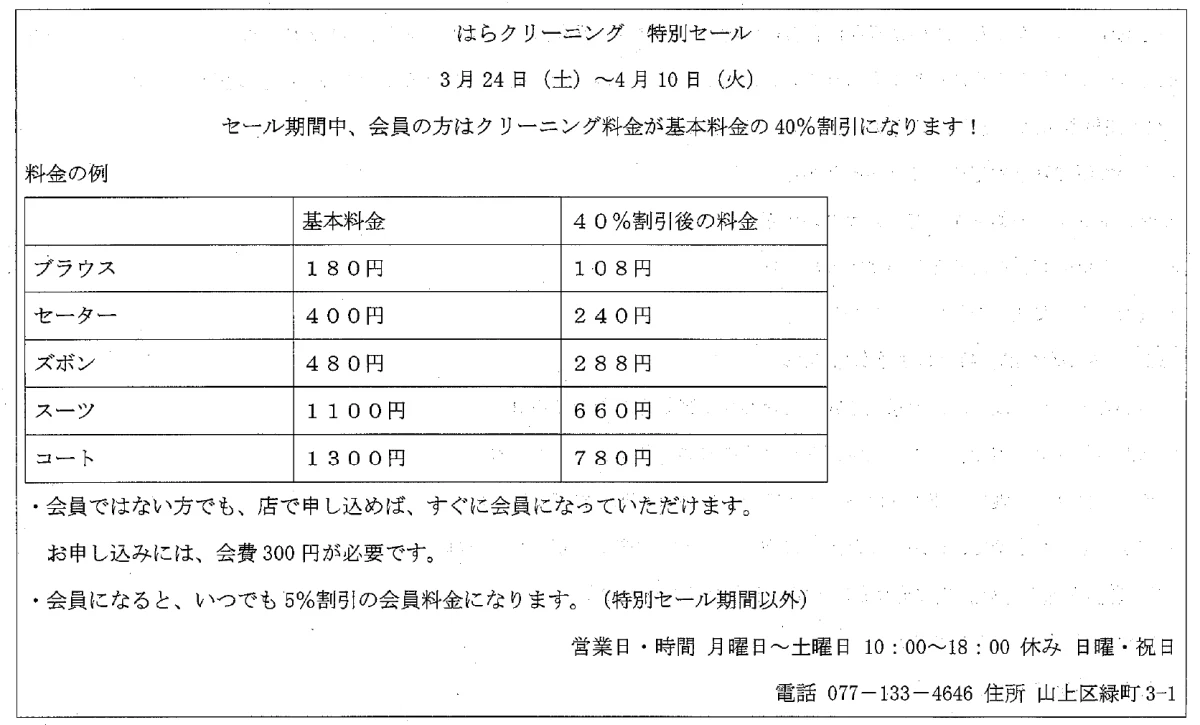
-
38.ロアンさんは、はらクリーニングの会員で、4月3日(火)にセーターとコートを1枚ずつクリーニングに出したいと思っている。ロアンさんは、いくら支払わなければならないか。
Show answer
Answer: 1. セーター240円とコート780円
Reading a price tableuse 会員 and date to choose 40%割引後の料金, not 基本料金
The flyer says "3月24日(土)~4月10日(火)" and "セール期間中、会員の方はクリーニング料金が基本料金の40%割引になります". April 3 is inside that period and ロアンさんは、はらクリーニングの会員で, so the "40%割引後の料金" column applies: "セーター 400円 240円" and "コート 1300円 780円". Option 1 restates those two discounted prices.
Remember
On sale flyers, first check the date against the period and check membership, then pick the correct price column. Traps often use the base price or add 会費.
Why not the others
Words
- 会員member
- 割引discount
- 基本料金base price
- 支払うto pay
- 会費membership fee
-
39.はらクリーニングの訪問サービスを利用したいと考えている人が、気をつけなければならないことはどれか。
Show answer
Answer: 1. 電話で申し込んだ日の翌日以降でなければ、取りに来てもらえないこと
Reading service termsseparate 申し込み, 取りに来る日, 訪問時間 and お届け日
Section B says "営業時間内に、お電話でお申し込みください。翌日以降、お客様が指定された日の訪問時間内に、ご自宅まで取りに伺います。" That means pickup cannot be the same day as the phone call, only the next day or later. Option 1 restates that rule.
Remember
For service notices, separate the application method, the pickup rule, the visit hours, and the delivery rule. A choice that swaps shop hours with visit hours is a common trap.
Why not the others
Words
- 訪問visit
- 翌日以降on or after the next day
- 指定specification, designation
- お届け(おとどけ)delivery
- 営業日business day
Listening 37 min · 28 questions
問題1課題理解Task comprehension
問題1では、まず質問を聞いてください。それから話を聞いて、問題用紙の1から4の中から、最もよいものを一つえらんでください。
-
1番
Show answer
Answer: 1. かばん一つ
-
2番
Show answer
Answer: 3. ポスターにのせる写真をえらぶ
-
3番
Show answer
Answer: 4. 正月のふくの写真を用意する
-
4番
Show answer
Answer: 2. 会社の場所
-
5番
Show answer
Answer: 3. わりびきけんをくばる
-
6番
Show answer
Answer: 3. ぶちょうにれんらくする
問題2ポイント理解Key-point comprehension
問題2では、まず質問を聞いてください。そのあと、問題用紙のせんたくしを読んでください。読む時間があります。それから話を聞いて、問題用紙の1から4の中から、最もよいものを一つえらんでください。
-
1番
Show answer
Answer: 3. インターネットのサイトで知り合った
-
2番
Show answer
Answer: 2. 体力をつけたいから
-
3番
Show answer
Answer: 3. けんさつかん
-
4番
Show answer
Answer: 2. かいぎがあるから
-
5番
Show answer
Answer: 4. 自分への手紙
-
6番
Show answer
Answer: 1. スポーツをする
問題3概要理解Gist comprehension
問題3では、問題用紙に何も印刷されていません。この問題は、全体としてどんな内容かを聞く問題です。話の前に質問はありません。まず話を聞いてください。それから、質問とせんたくしを聞いて、1から4の中から、最もよいものを一つえらんでください。
-
1番
The 4 choices are spoken, not printed. Listen, then pick a number.
Show answer
Answer: 2.
-
2番
The 4 choices are spoken, not printed. Listen, then pick a number.
Show answer
Answer: 4.
-
3番
The 4 choices are spoken, not printed. Listen, then pick a number.
Show answer
Answer: 2.
問題4発話表現Verbal expression
問題4では、絵を見ながら質問を聞いてください。やじるし(→)の人は何と言いますか。1から3の中から、最もよいものを一つえらんでください。
-
1番
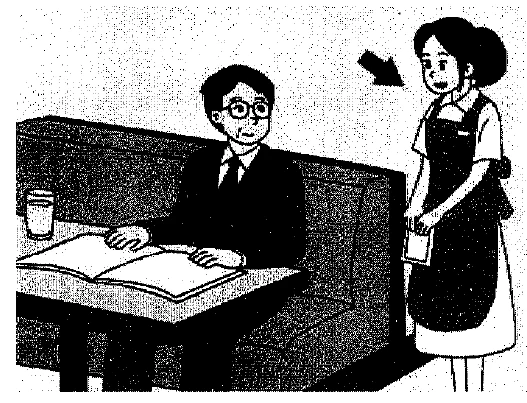
Look at the arrow in the picture. The 3 replies are spoken, not printed. Listen, then pick a number.
Show answer
Answer: 2.
-
2番
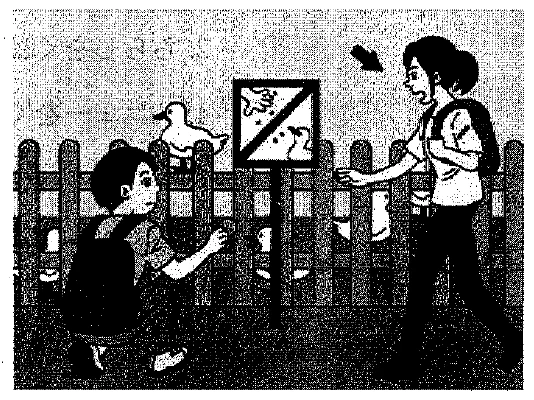
Look at the arrow in the picture. The 3 replies are spoken, not printed. Listen, then pick a number.
Show answer
Answer: 1.
-
3番
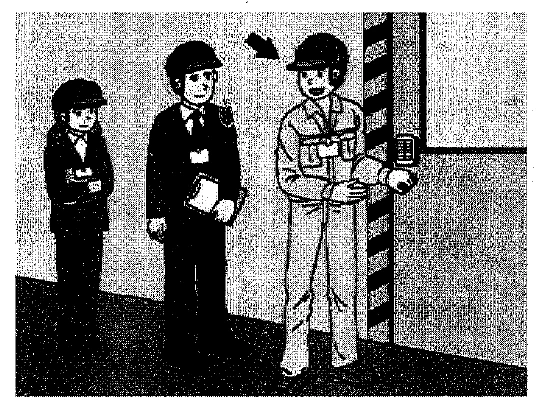
Look at the arrow in the picture. The 3 replies are spoken, not printed. Listen, then pick a number.
Show answer
Answer: 2.
-
4番
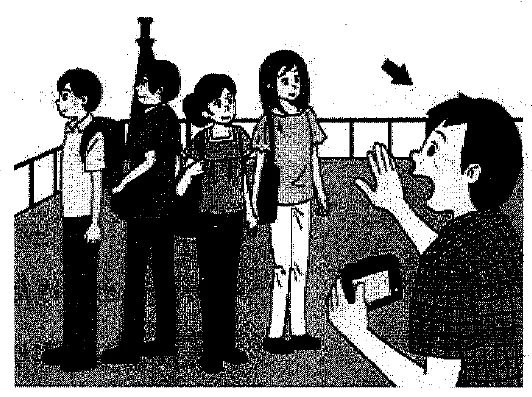
Look at the arrow in the picture. The 3 replies are spoken, not printed. Listen, then pick a number.
Show answer
Answer: 3.
問題5即時応答Quick response
問題5では、問題用紙に何も印刷されていません。まず文を聞いてください。それから、それに対する返事を聞いて、1から3の中から、最もよいものを一つえらんでください。
-
1番
The 3 choices are spoken, not printed. Listen, then pick a number.
Show answer
Answer: 1.
-
2番
The 3 choices are spoken, not printed. Listen, then pick a number.
Show answer
Answer: 1.
-
3番
The 3 choices are spoken, not printed. Listen, then pick a number.
Show answer
Answer: 3.
-
4番
The 3 choices are spoken, not printed. Listen, then pick a number.
Show answer
Answer: 2.
-
5番
The 3 choices are spoken, not printed. Listen, then pick a number.
Show answer
Answer: 1.
-
6番
The 3 choices are spoken, not printed. Listen, then pick a number.
Show answer
Answer: 3.
-
7番
The 3 choices are spoken, not printed. Listen, then pick a number.
Show answer
Answer: 3.
-
8番
The 3 choices are spoken, not printed. Listen, then pick a number.
Show answer
Answer: 2.
-
9番
The 3 choices are spoken, not printed. Listen, then pick a number.
Show answer
Answer: 1.
Explanations are AI-generated and are sometimes not accurate. Spotted a mistake in a question or answer? Write to us at hello@practicejlpt.com and we’ll fix it.